The short version
- Permits vary by city, county and utility
- Common types: utility tap, right-of-way, grading, septic and building permits
- Work in streams or large land disturbance can need stormwater approval
- Plan permit time into the schedule
Why permits exist
Permits make sure the work follows the rules for safety, drainage, public rights-of-way and the environment. They also give the city, utility or health department a chance to inspect critical parts of the work.
Unpermitted work can cause trouble when you sell, insure or expand.
Common types
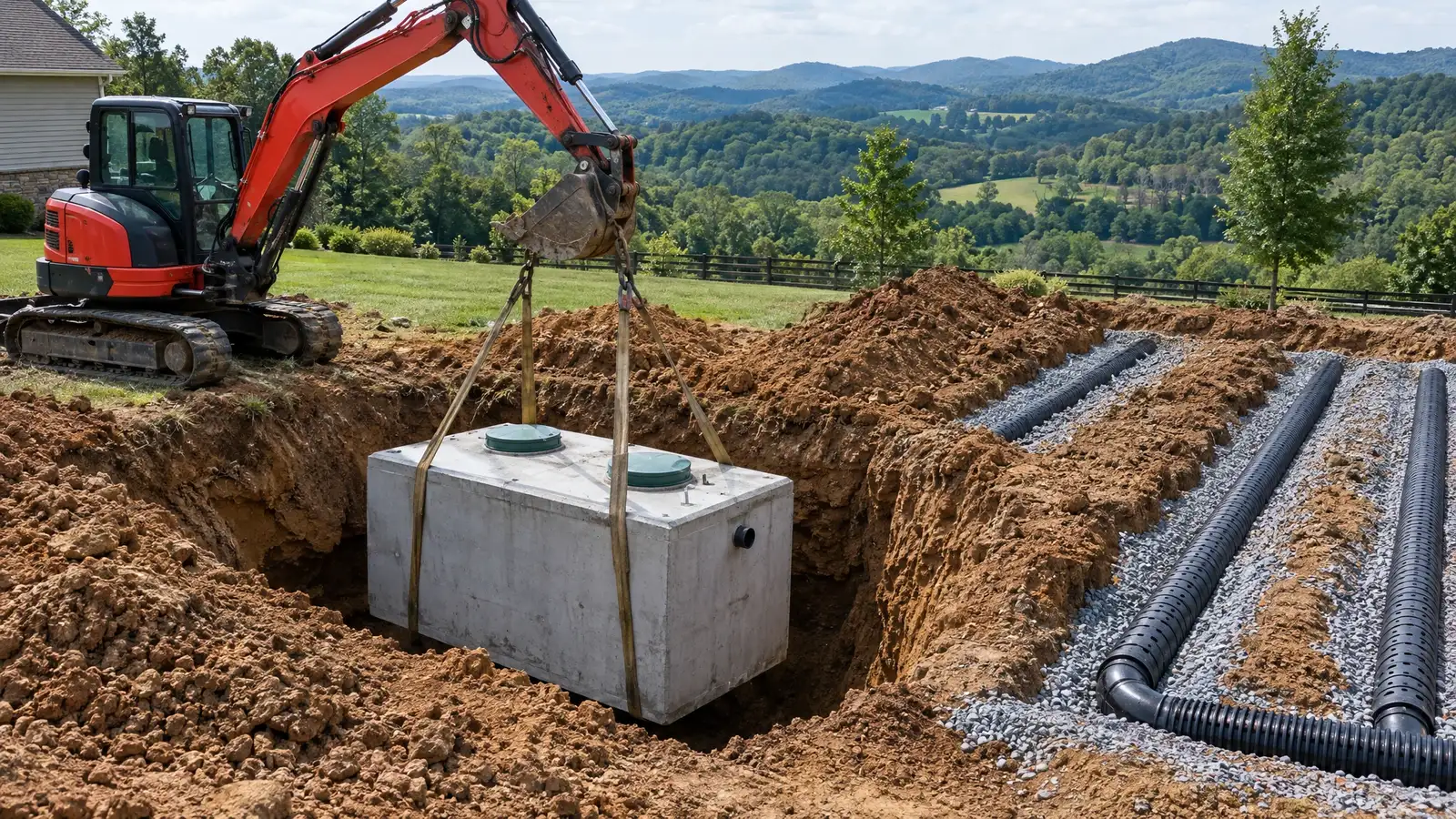
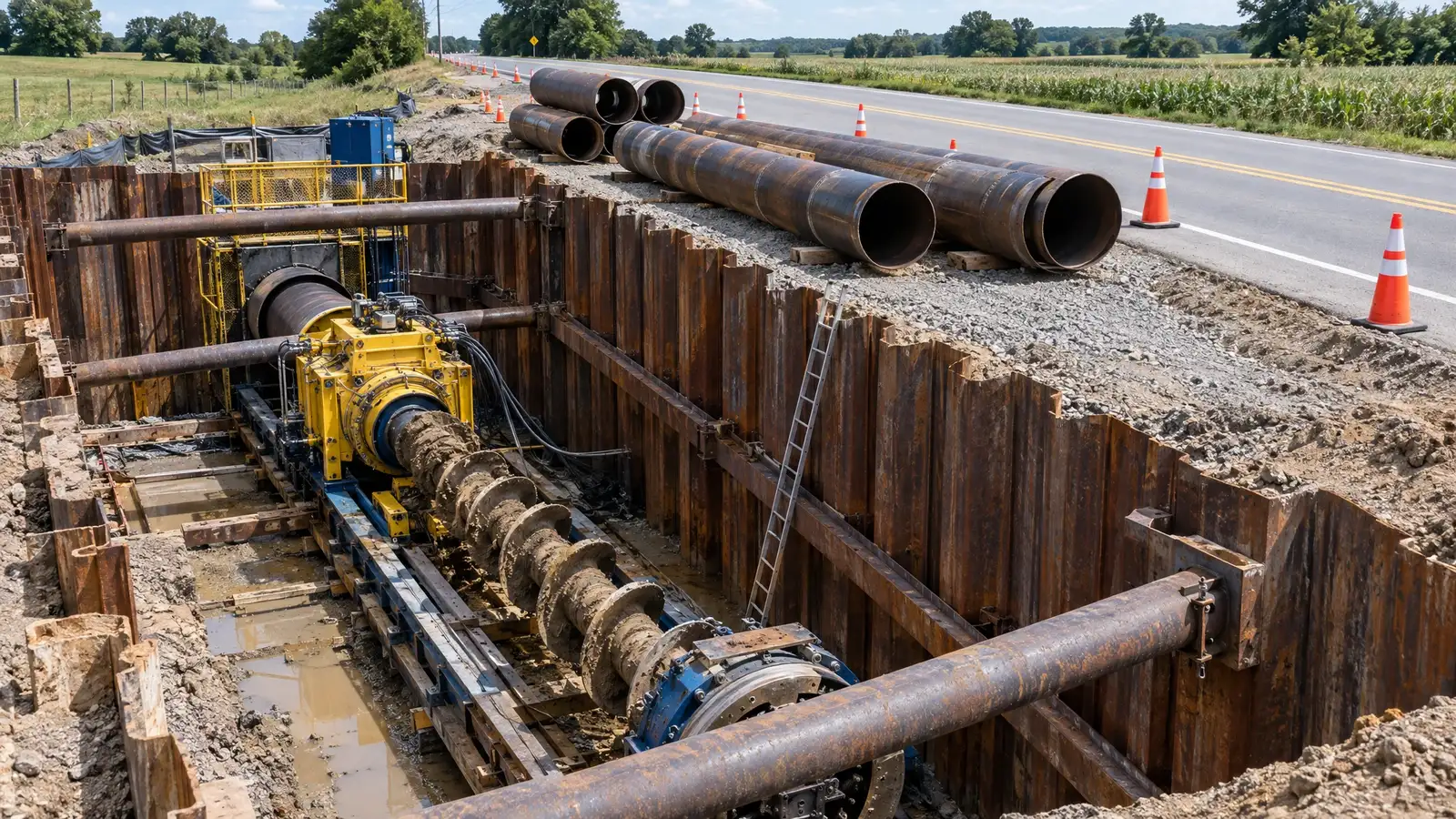
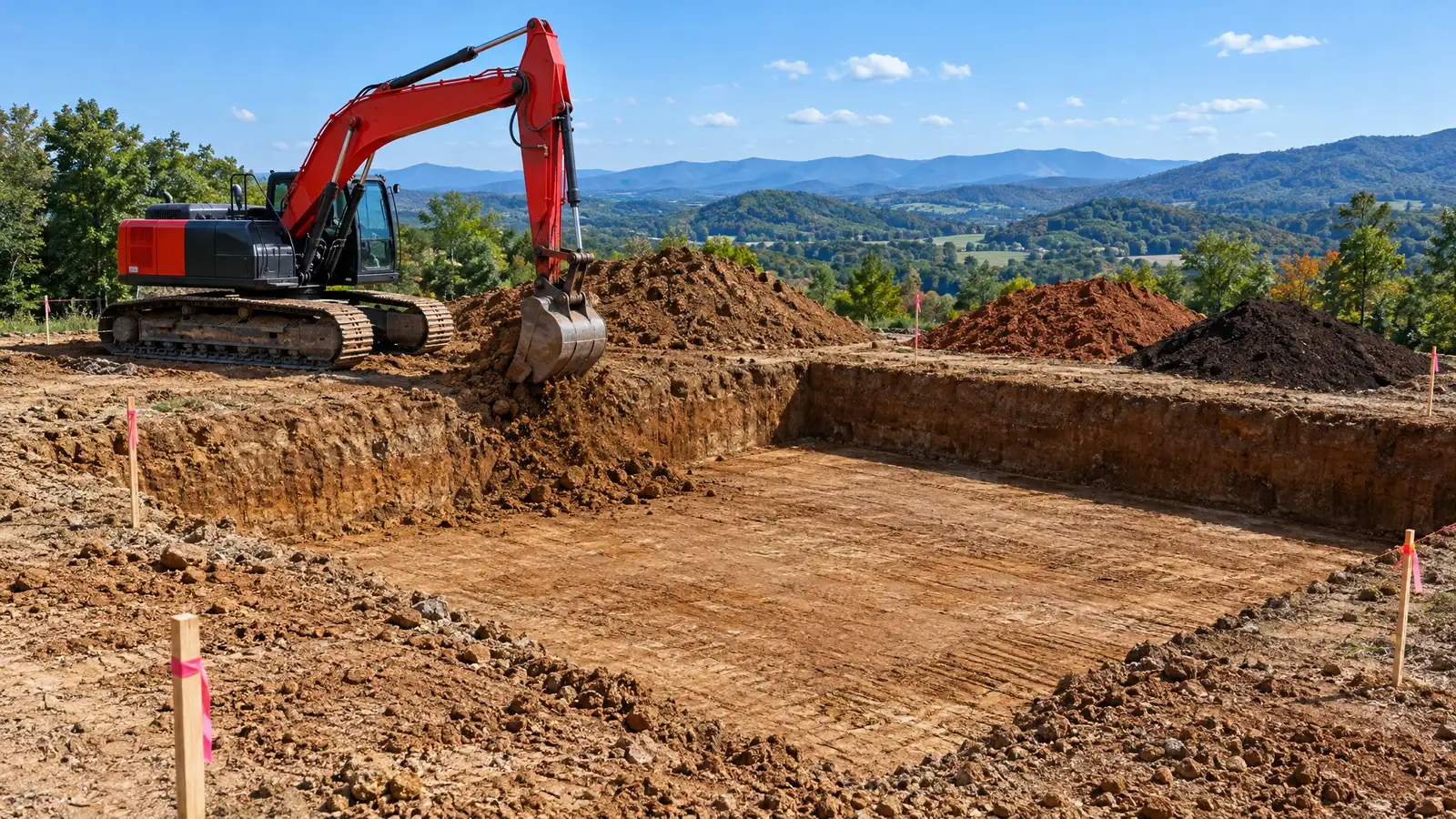
Utility taps and connection permits are required to connect to public water and sewer. Right-of-way permits cover work in streets or sidewalks. Grading or land disturbance permits can apply to larger sites. Septic permits are issued by the county or state health authority. Building permits cover foundations and structures.
Work in streams or wetlands can require state and federal approvals.
Who gets them
Sometimes the owner applies and sometimes the contractor does. Larger projects often have the engineer or builder handle approvals. Ask who is responsible and get it in writing.
Fees and processing times vary.
Avoiding delays
Apply early, submit complete drawings, respond quickly to review comments and schedule inspections ahead. Keep copies of permits on site.
We help clients find out what applies in their city and what the process looks like.
General information, not engineering, legal or safety advice. Rules and requirements vary by utility, city and county.