Utility Tie-Ins and Service Connections in Nashville, TN
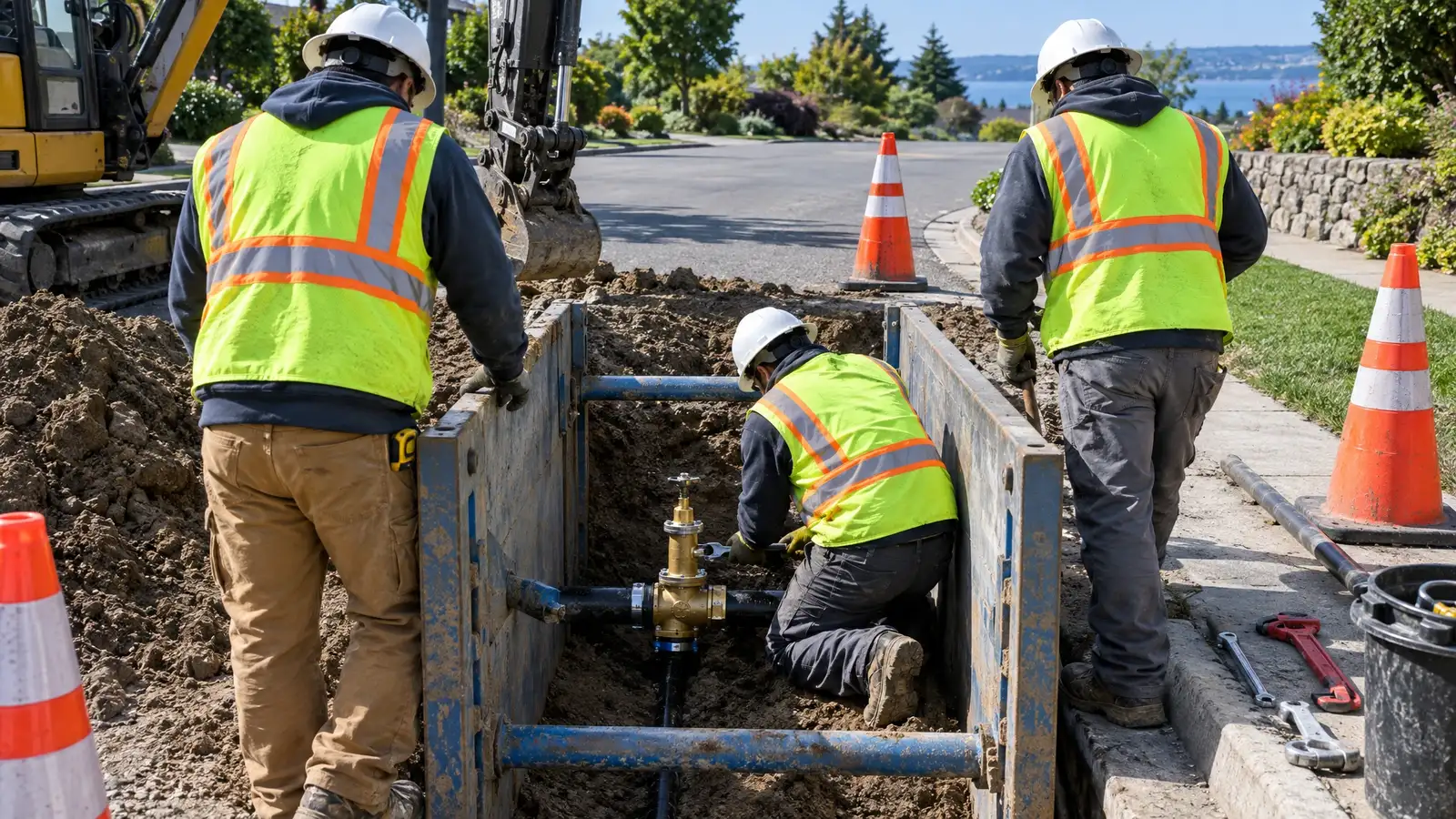
Excavation, shoring and trench work at tap points and connections, safely exposing existing mains and services so connections can be made.
- Utility Line Installation
- Standard utility trench
- Middle Tennessee
Utility Tie-Ins and Service Connections, explained.
Every new line ends at an existing system. The tie-in is where a new water, sewer or storm line connects to a main in the street or on the property, and it is often the most sensitive point of the whole project. The existing line is live, crowded by other utilities and sometimes older than anyone expects.
We expose the connection point carefully, confirm what is there with hand or vacuum digging, shore the pit for safety and hold it open for the utility or the plumber to make the connection. Once they are done, we backfill, compact and restore.
Signs this service fits
- A new line is ready to connect to the main
- A service must be reconnected after replacement
- An old tap needs to be uncovered and replaced
- A meter pit or valve needs to be exposed
A good fit, and what to know.
We would rather you hear the limits from us than discover them later.
A good fit when
- The new line is installed and the connection point is known
- A utility or plumber will make the tie-in
- You want the excavation and restoration handled safely
Worth knowing
- The tie-in itself is typically completed by the utility or its approved contractor
- Road cuts and traffic control require permits and planning
Why do it this way.
Careful exposure
Vacuum or hand digging protects the line being tapped.
A safe pit
Shoring and traffic control protect the crew and the public.
Coordinated schedule
We line the dig up with the utility’s or plumber’s time.
Clean restoration
The cut is patched or restored to a neat finish.
From first look to finished ground.
A clear sequence for every job.
- 01
Confirm what is there
Marks are checked and the connection point is exposed by careful digging.
- 02
Make it safe
The pit is shored or sloped and the area is protected from traffic.
- 03
Hold for the connection
The pit stays open and stable while the utility or plumber completes the tie-in.
- 04
Backfill and restore
Bedding and backfill are placed and the street, drive or lawn is restored.
Services that go together.
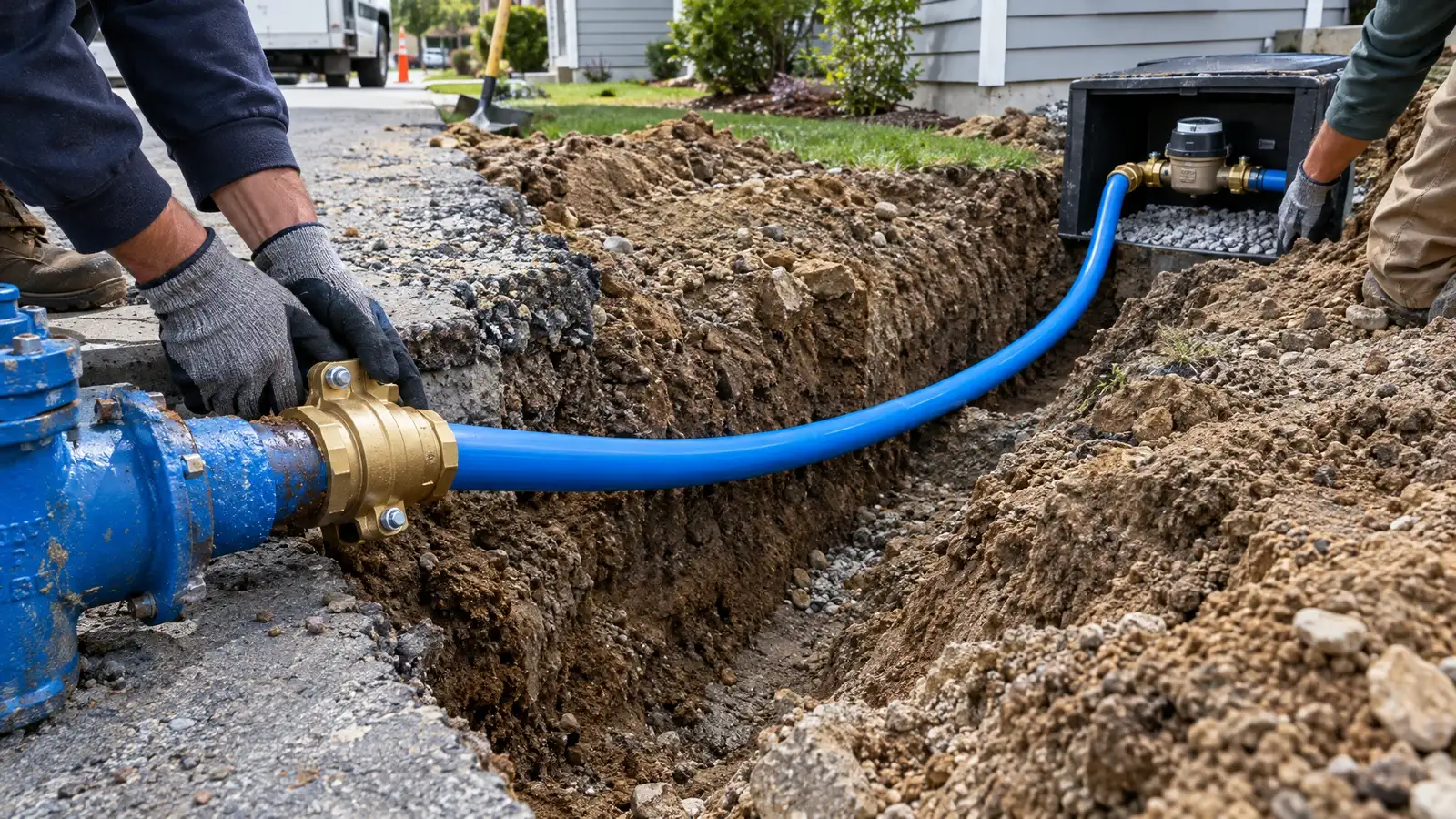 A-02Utility LinesWater LinesNew water service lines and private water mains trenched, laid and backfilled from the meter or main to your home, building or outbuilding.Shallow trench
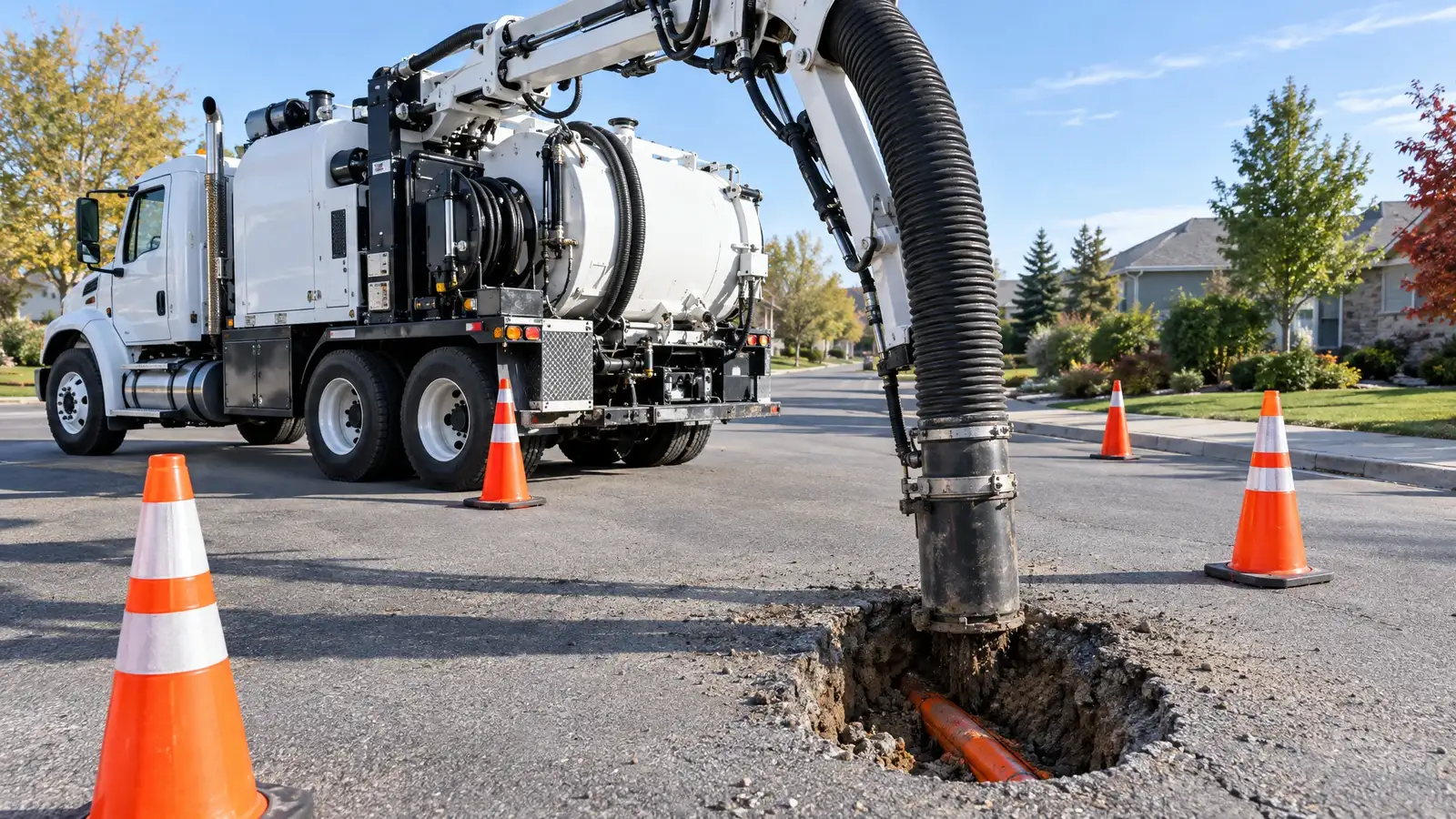 C-05TrenchlessVacuum ExcavationNon-destructive digging with air or water and a vacuum truck to expose buried utilities safely, confirm depth and prevent line strikes.Shallow trench
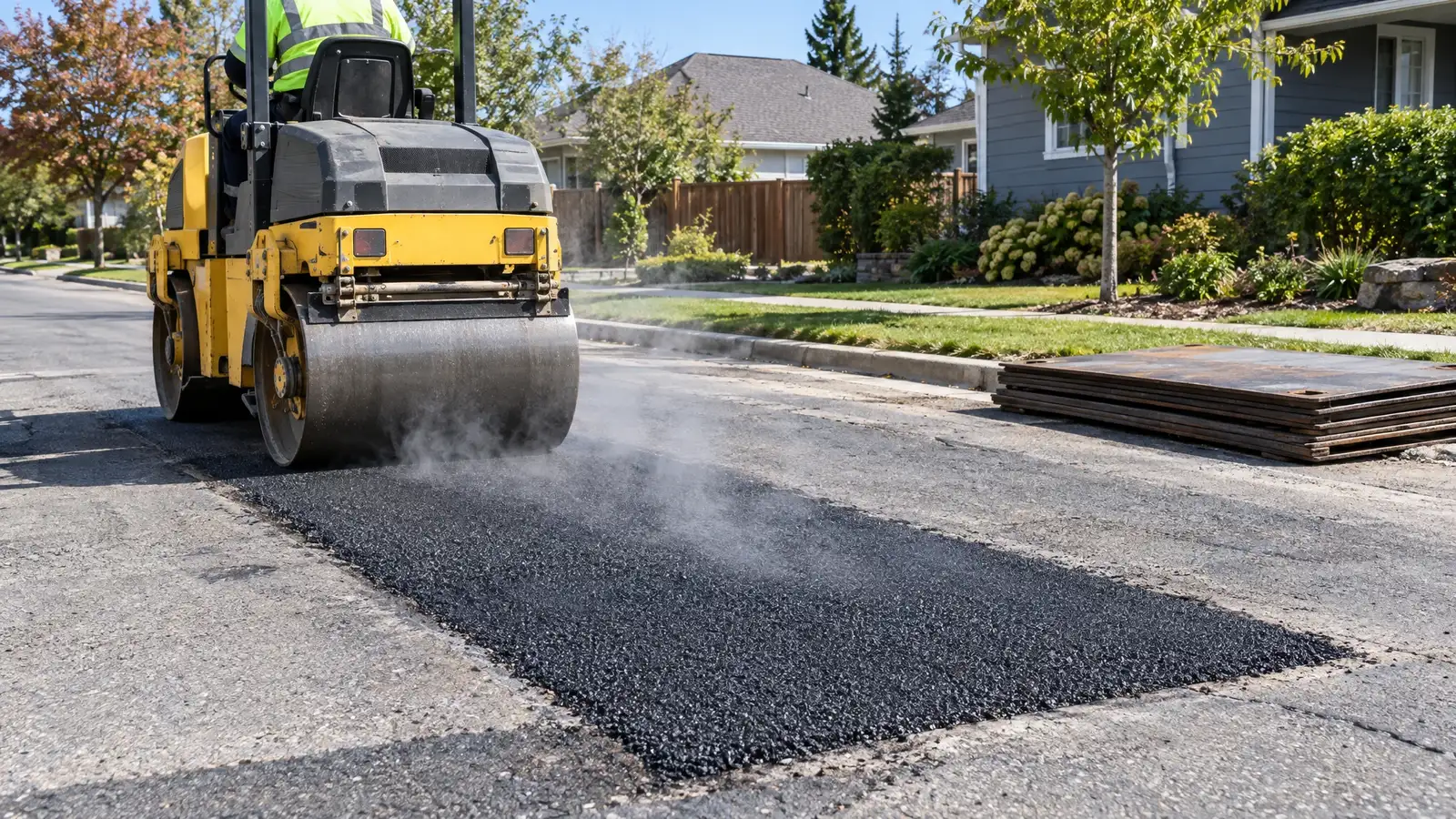 D-10RepairPavement PatchingSaw cutting, base repair and asphalt or concrete patching where utility trenches cross streets, drives and parking areas.Surface work
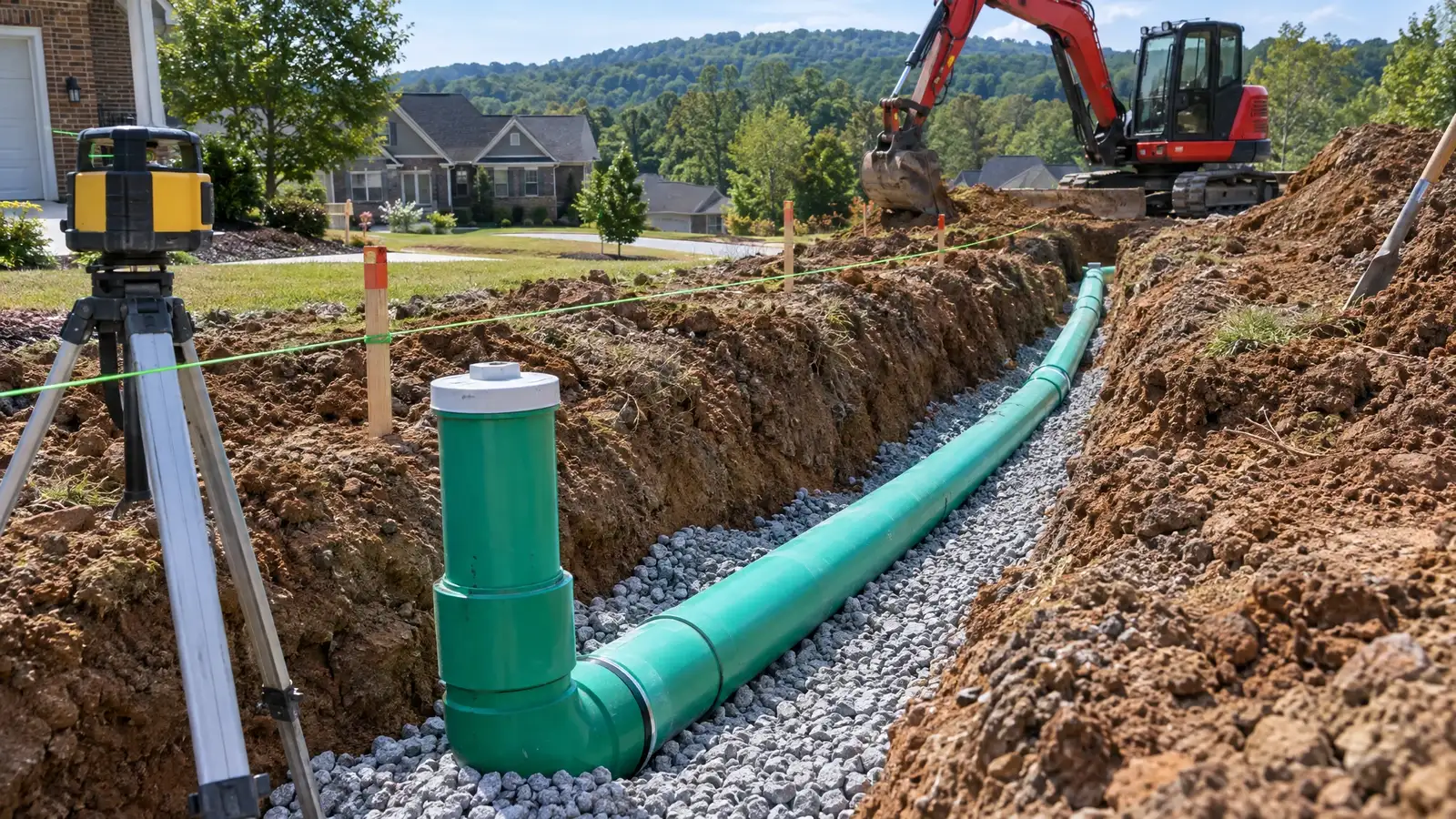 A-03Utility LinesSewer LinesNew private sewer mains and building laterals set to a laser-checked grade, bedded in stone and connected to the public sewer or a septic…Shallow trench
Read more on this topic.
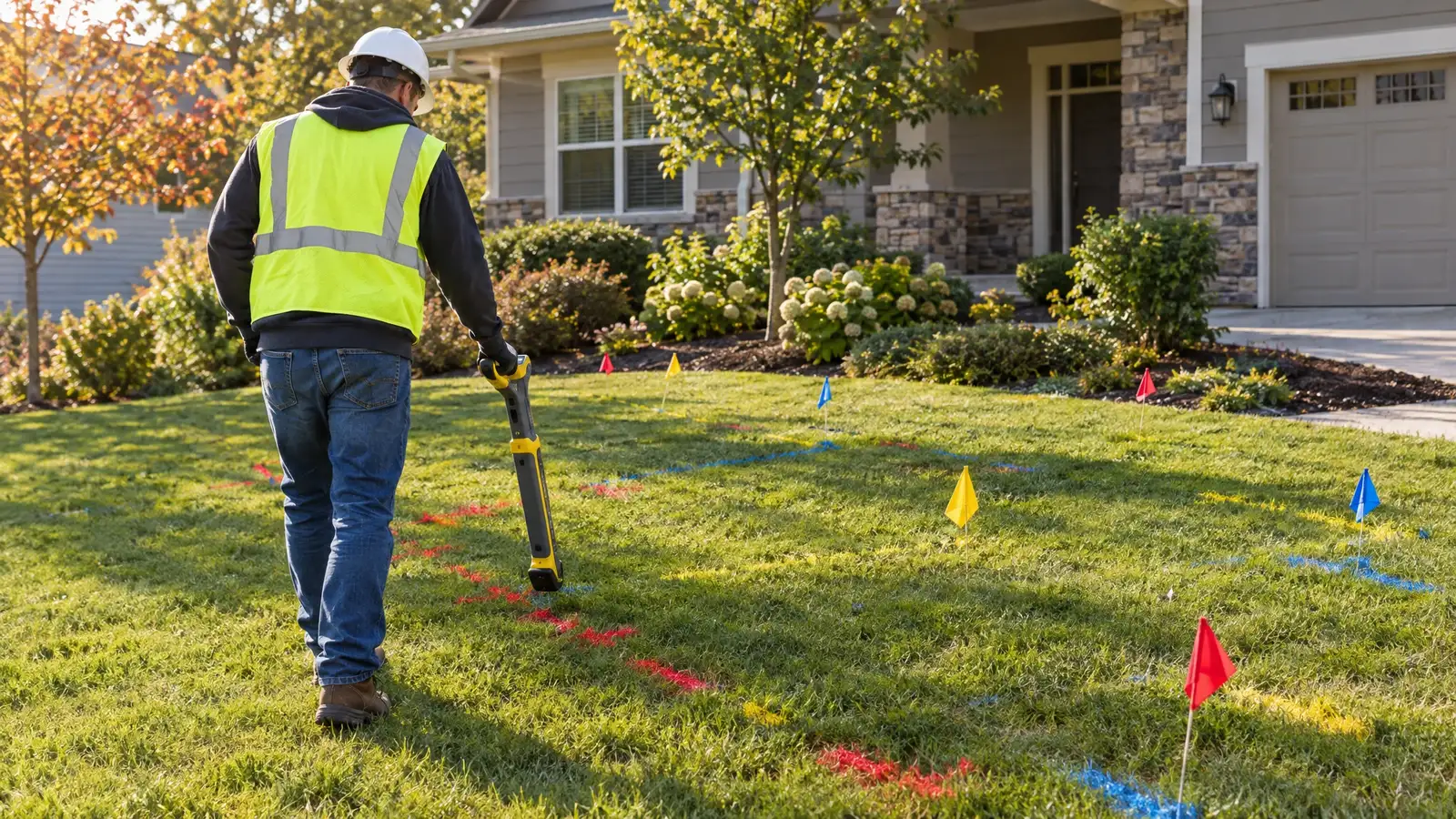 How to Call 811 Before You DigStep by step: what 811 is, when to call, what happens next and how to read the marks.2 min read
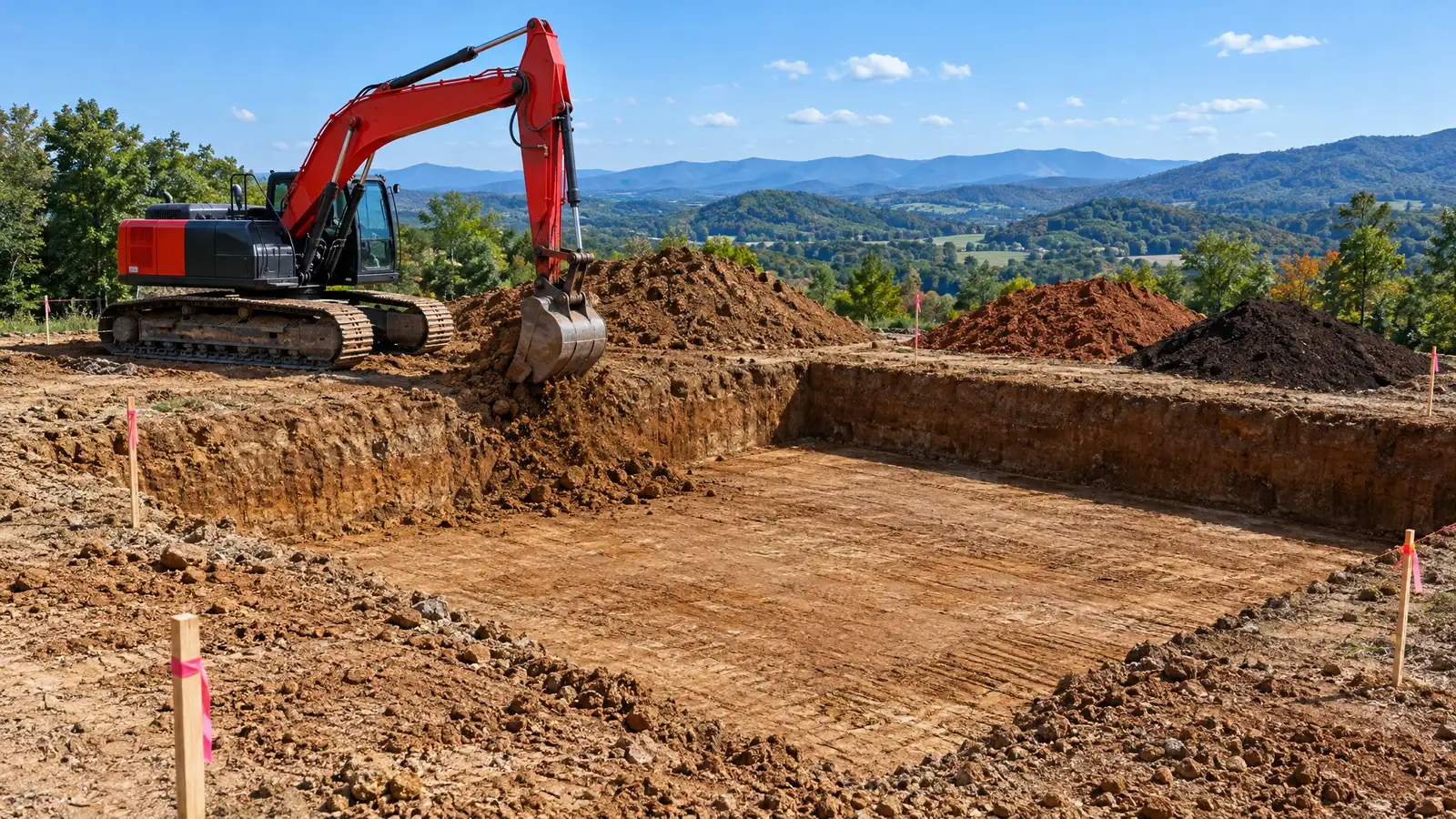 Permits for Underground Utility and Excavation WorkWhat kinds of permits apply, who issues them and how to avoid delays.2 min read
 Trench Safety Basics for HomeownersWhy trenches are dangerous, what the safety rules generally say and why a deep trench is no place for a…2 min read
Tie-Ins & Connections FAQ.
Can I connect to the water main myself?
Generally not. Utilities control taps and connections to their mains, and unauthorized work can be unsafe. We prepare the excavation and work with the right people.
How big is the hole at a tie-in?
Big enough to work safely around the pipe and fittings. We keep it as small as the depth, pipe size and safety rules allow.
Will the street be cut?
If the main is in the road, cutting the pavement is often necessary. We coordinate with the owner and restore the cut to the required standard.
Tie-Ins & Connections across Middle Tennessee.
Pick your city for its page.
Call 811. Then call us.
Tell us what you are building, fixing or draining and we will suggest a site visit and a plan. The lines get located before the bucket moves.