
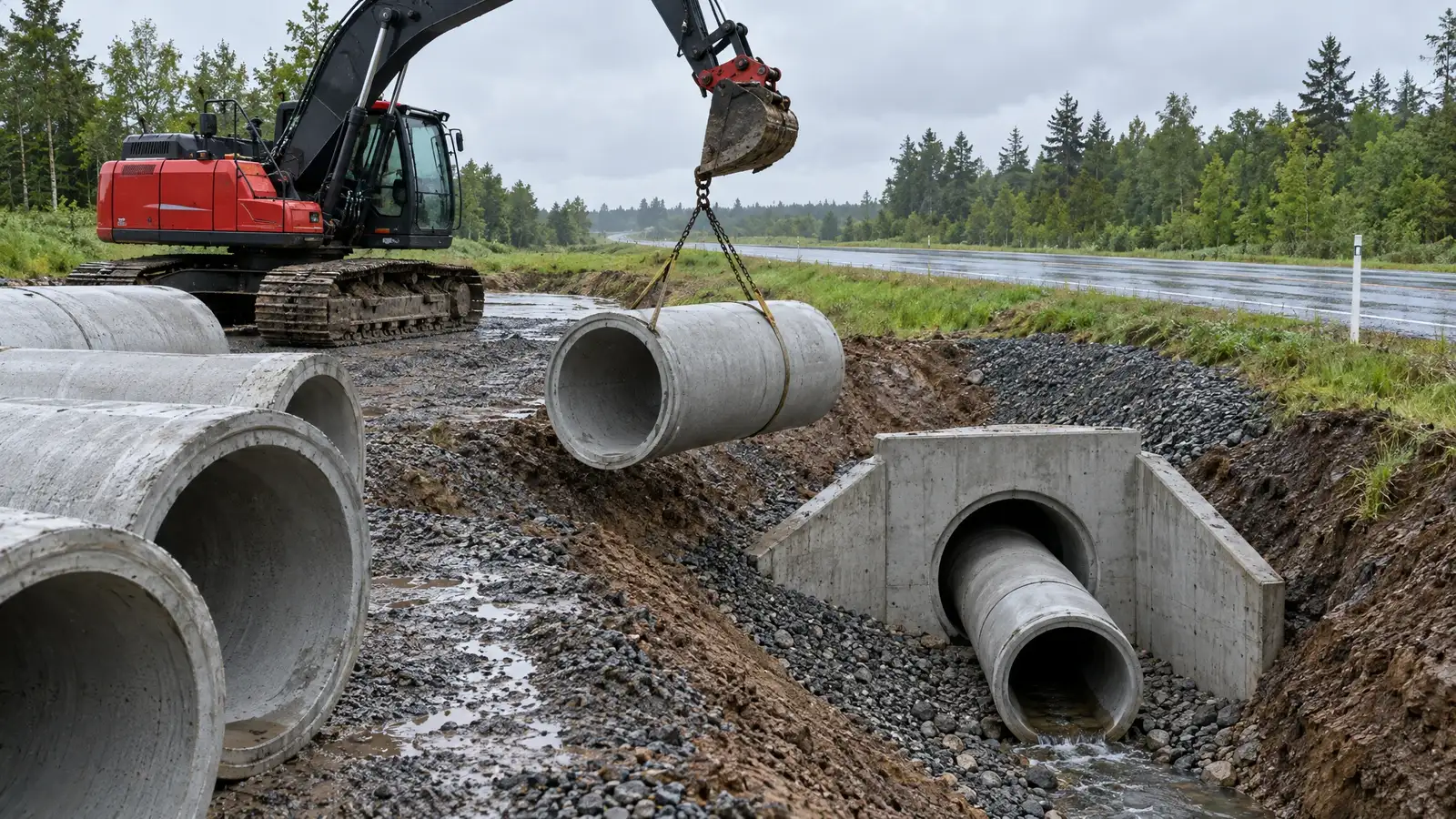
Storm Drain and Culvert Installation in Nashville, TN
Storm pipe, driveway culverts, headwalls and inlets installed to carry rain and runoff away from buildings, roads and low spots.
- Utility Line Installation
- Deep dig, protected
- Middle Tennessee
Storm Drain and Culvert Installation, explained.
Middle Tennessee gets heavy rain, and water that has nowhere to go ends up in a basement, across a driveway or eating a bank. Storm drains and culverts give runoff a defined path: pipe under a driveway, a line from a downspout to a safe outlet, an inlet at a low spot, a headwall where a pipe meets a ditch.
We size the pipe to the plan, dig to the required slope, set culverts and storm pipe on solid bedding, and build the inlets, aprons and outlets that stop the flow from scouring the soil. Where a driveway must be crossed, we plan the sequence so access is interrupted as little as possible.
Signs this service fits
- Water ponds against the house or crosses the driveway
- A ditch crossing needs a culvert
- Downspouts discharge at the foundation
- A development plan requires storm structures
A good fit, and what to know.
We would rather you hear the limits from us than discover them later.
A good fit when
- Water has a clear low point and an available outlet
- A culvert, inlet or pipe is called for by the plan
- You want the work coordinated with grading
Worth knowing
- A pipe is only as good as its outlet, and some sites need off-site approval
- Work in or near streams may need additional permits
Why do it this way.
Defined water paths
Runoff is delivered to an outlet that can take it.
Protected outlets
Stone aprons and headwalls stop scour at the pipe end.
Driveway crossings planned
Culvert work is sequenced to keep access open where possible.
Built for cover
Pipe class and cover depth are chosen for the loads above the pipe.
Before and after: soggy yard to dry yard
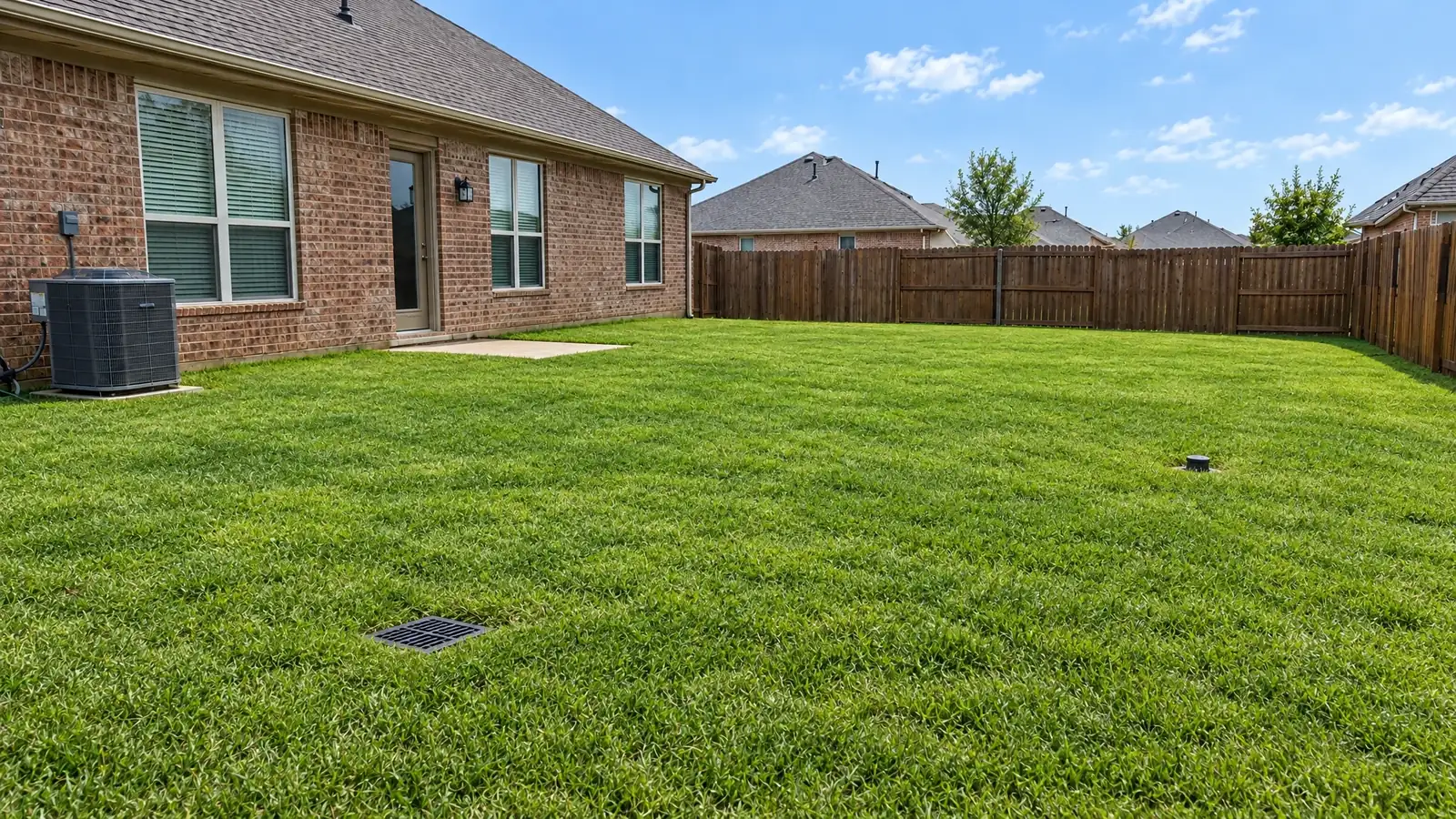
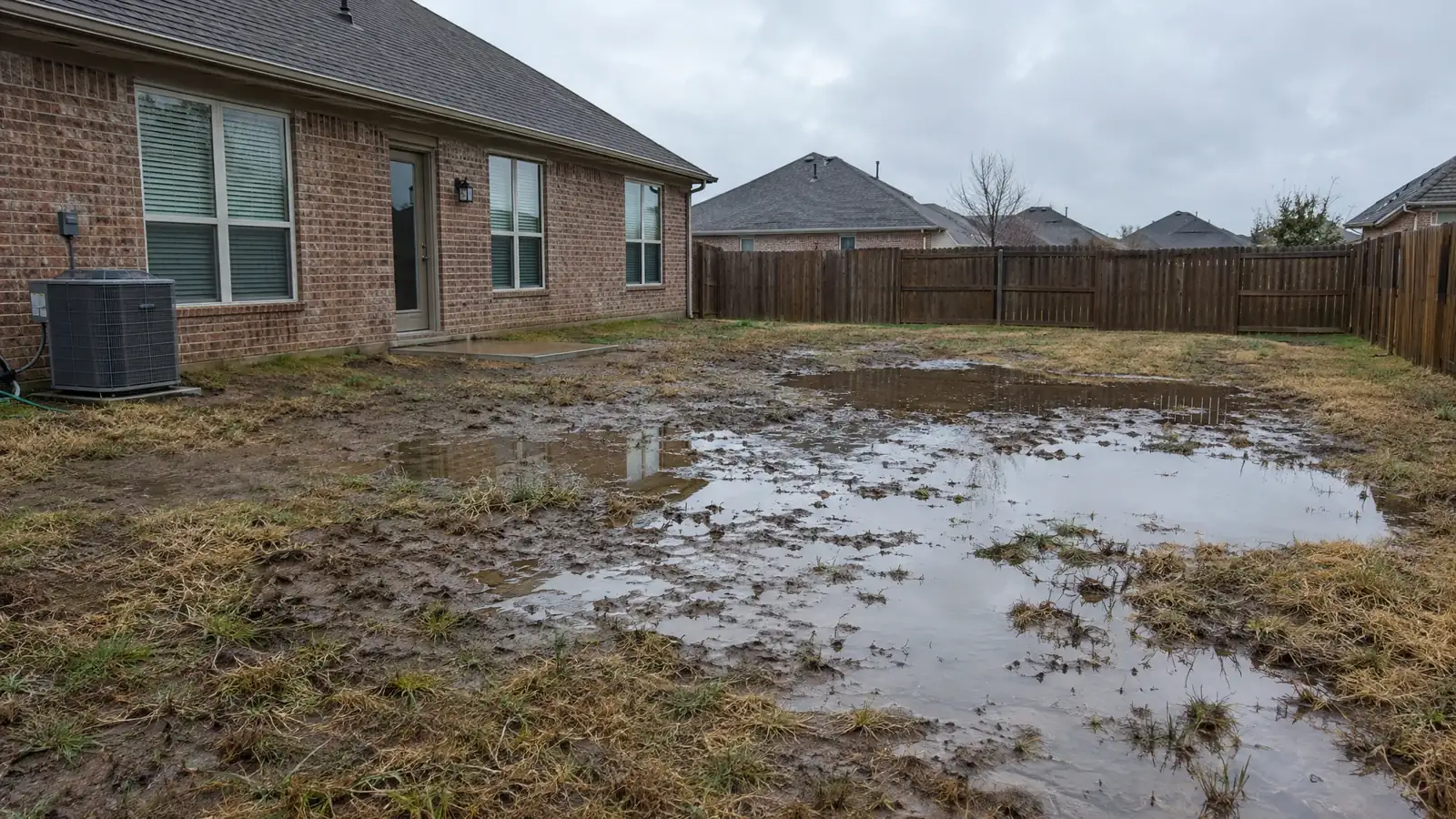 AfterBefore
Illustrative scene created to show a typical condition before and after the work. Drag the handle to slide between them.
From first look to finished ground.
A clear sequence for every job.
- 01
Read the water
We walk the site in the context of drainage paths, outlets and any plan or permit requirements.
- 02
Excavate to slope
The trench is cut to the required fall and the bed is prepared for the pipe.
- 03
Set pipe and structures
Culvert, pipe, inlets, junctions and headwalls are set and joined.
- 04
Backfill and stabilize
Backfill is compacted, outlets are armored with stone or other protection and disturbed ground is stabilized.
Services that go together.
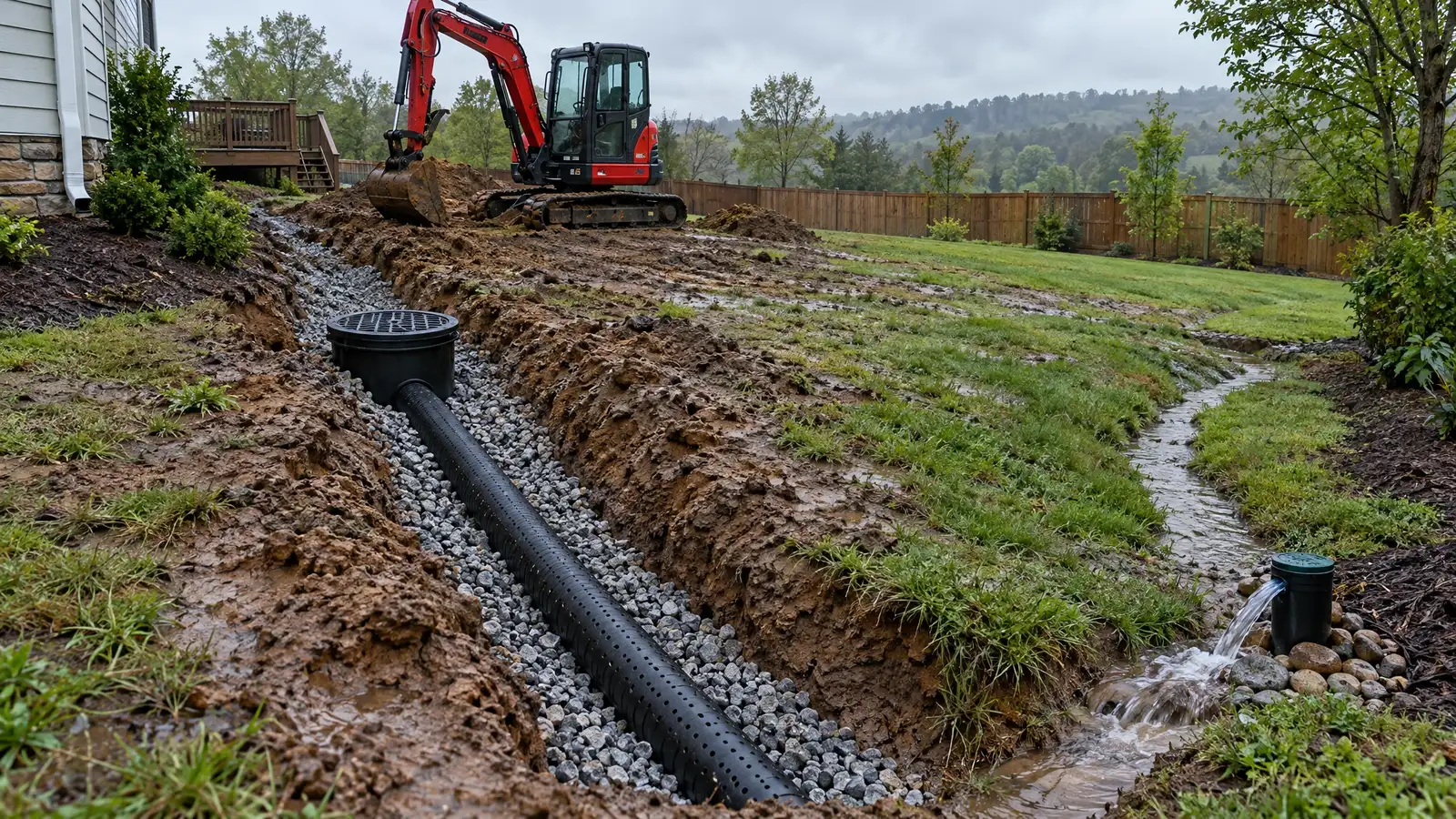 D-03RepairYard DrainageSurface and subsurface drainage built into the yard: regrading, swales, catch basins, drain pipe, French drains and downspout extensions.Shallow trench
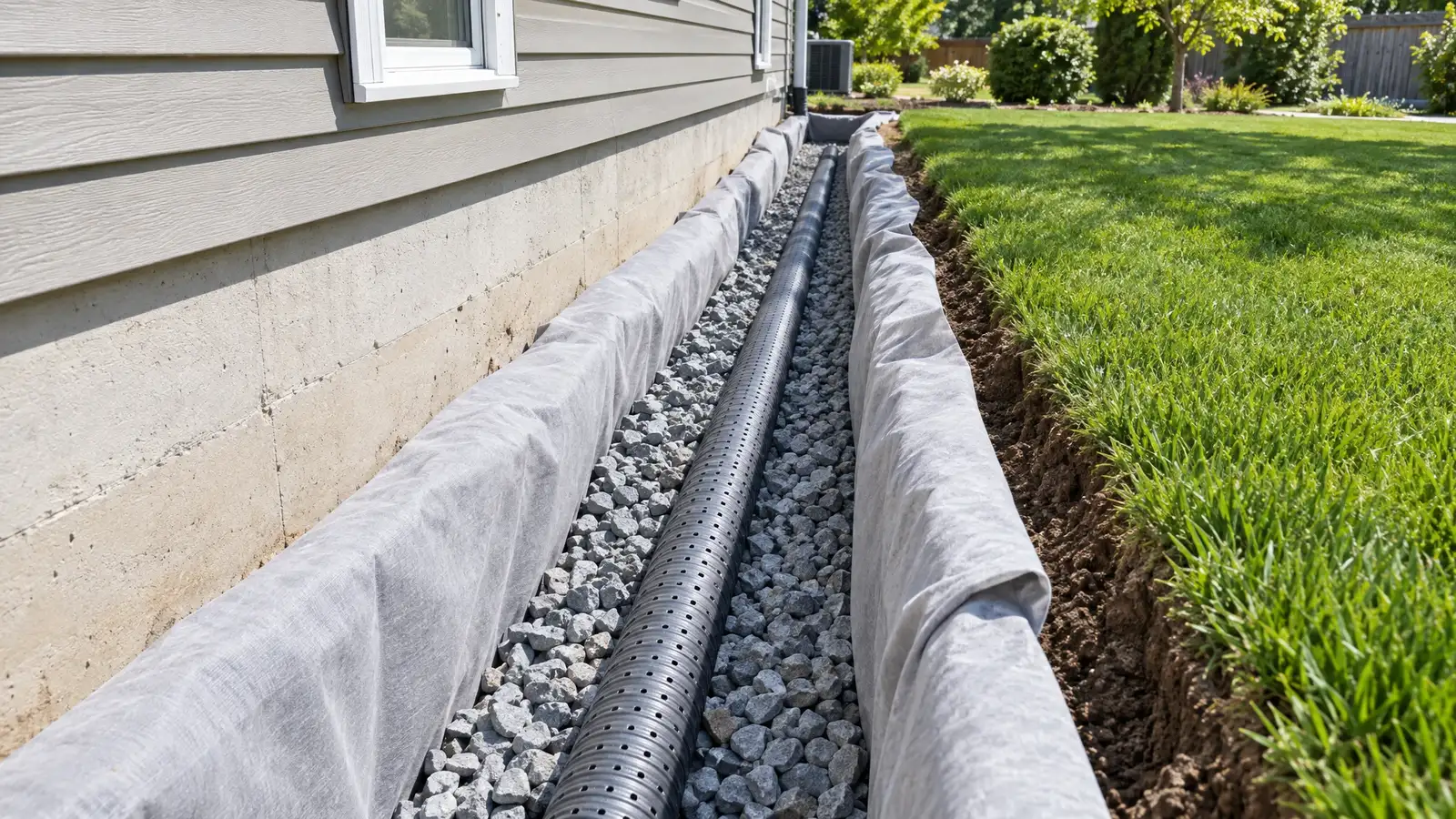 D-04RepairFrench DrainsFabric-lined trenches with perforated pipe and clean stone that intercept groundwater and carry it away from the house and the lawn.Shallow trench
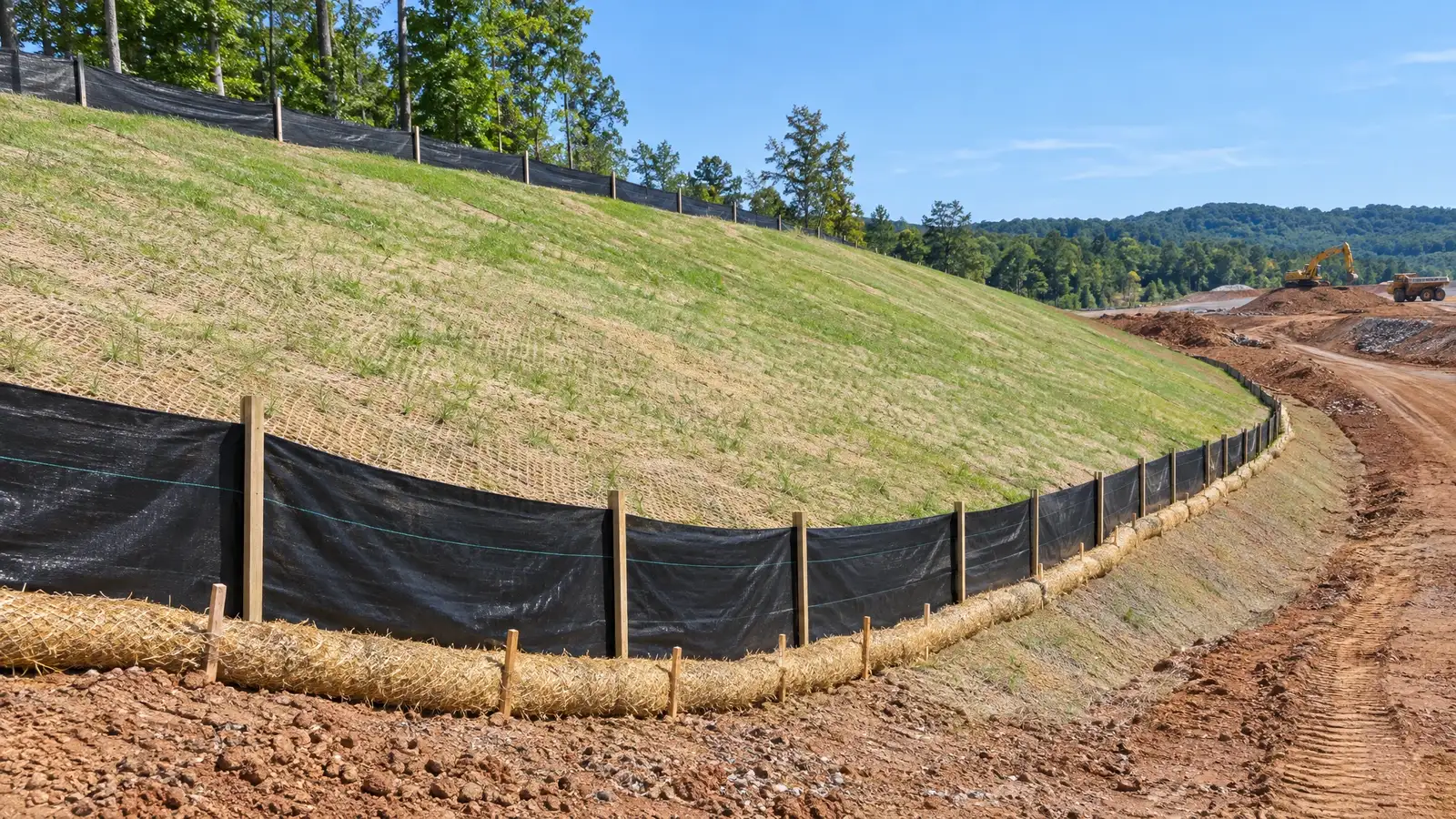 B-13ExcavationErosion ControlSilt fence, wattles, construction entrances, matting and seeding to hold disturbed soil in place during and after construction.Surface work
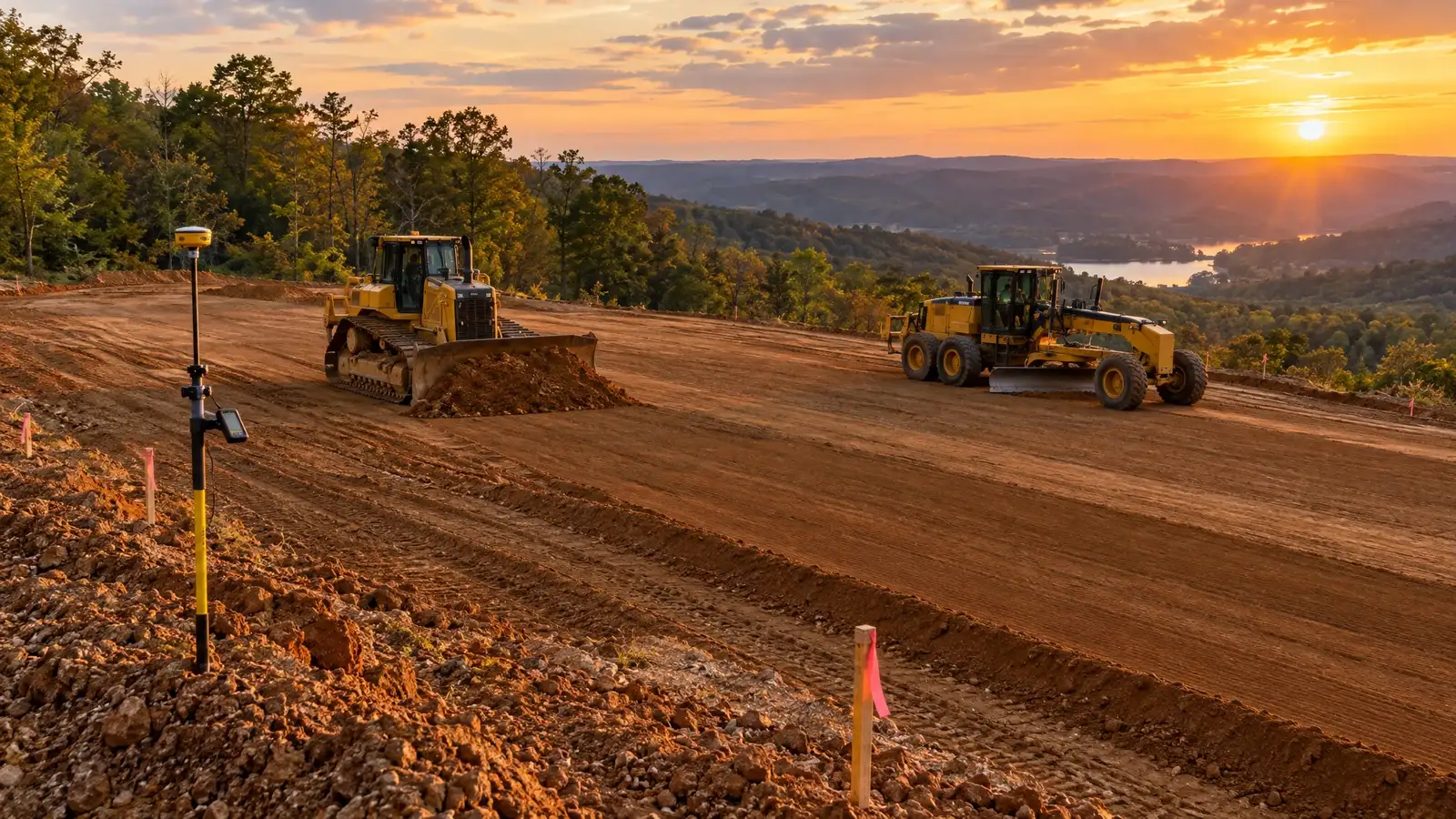 B-03ExcavationSite Grading & PadsCut-and-fill grading, pad building and rough grading for homes, shops, barns and commercial buildings, shaped for drainage and ready for the next trade.Surface work
Read more on this topic.
Site Grading and Drainage BasicsHow slope, swales and outlets keep water away from buildings.2 min read Spring Rain and Wet TrenchesHow heavy rain affects excavation, and how contractors manage water on site.2 min read 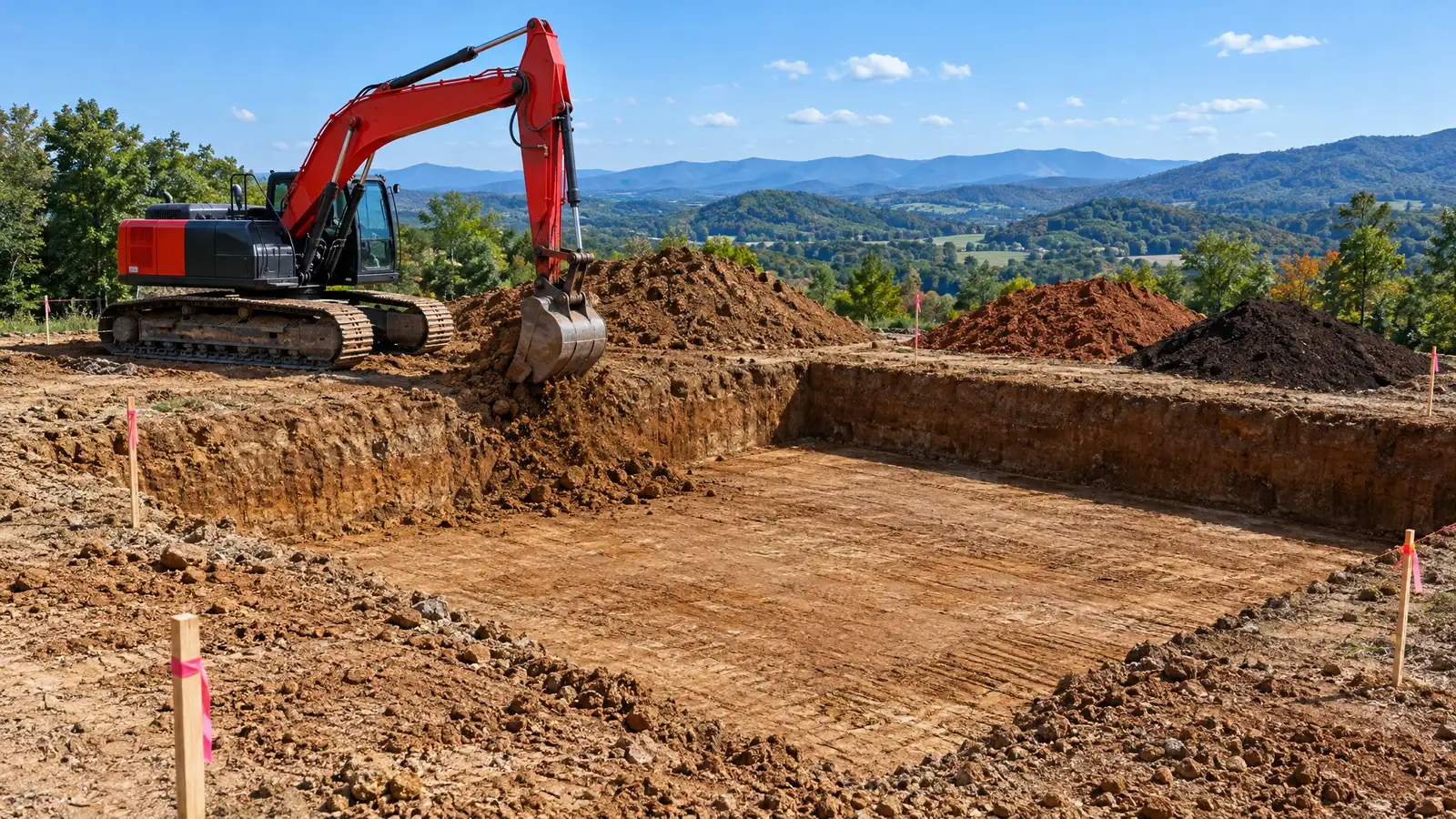 Types of Excavators and What Each One DoesMini excavators, midsize machines, backhoes, trenchers, loaders and dozers, and how a contractor picks the right one.2 min read
Storm Drains & Culverts FAQ.
How big does a culvert need to be?
Size depends on the drainage area, slope and local requirements. A designer, the municipality or a drainage plan usually sets it, and we install to that specification.
Do I need a permit to pipe a ditch?
Often. Work near streams, in rights-of-way or on larger sites can require approval, and we help you find out what applies.
Will a new storm pipe fix a wet yard?
It can when surface water is the problem. If groundwater is the cause, a French drain or other subsurface system may be the better answer, and we help tell them apart.
Storm Drains & Culverts across Middle Tennessee.
Pick your city for its page.
Call 811. Then call us.
Tell us what you are building, fixing or draining and we will suggest a site visit and a plan. The lines get located before the bucket moves.