Retaining Wall Excavation, Footings and Masonry Support in Nashville, TN
Excavation, footing trenches, drainage stone and backfill for retaining walls, block and stone walls and masonry projects, built to be dug once and set right.
- Excavation and Site Work
- Deep dig, protected
- Middle Tennessee
Retaining Walls, Footings and Masonry Support, explained.
Retaining walls fail from the bottom and from behind. A wall set on soft soil settles, and a wall without drainage behind it loads up with water and pushes out. Both problems begin with excavation and backfill that were done too quickly.
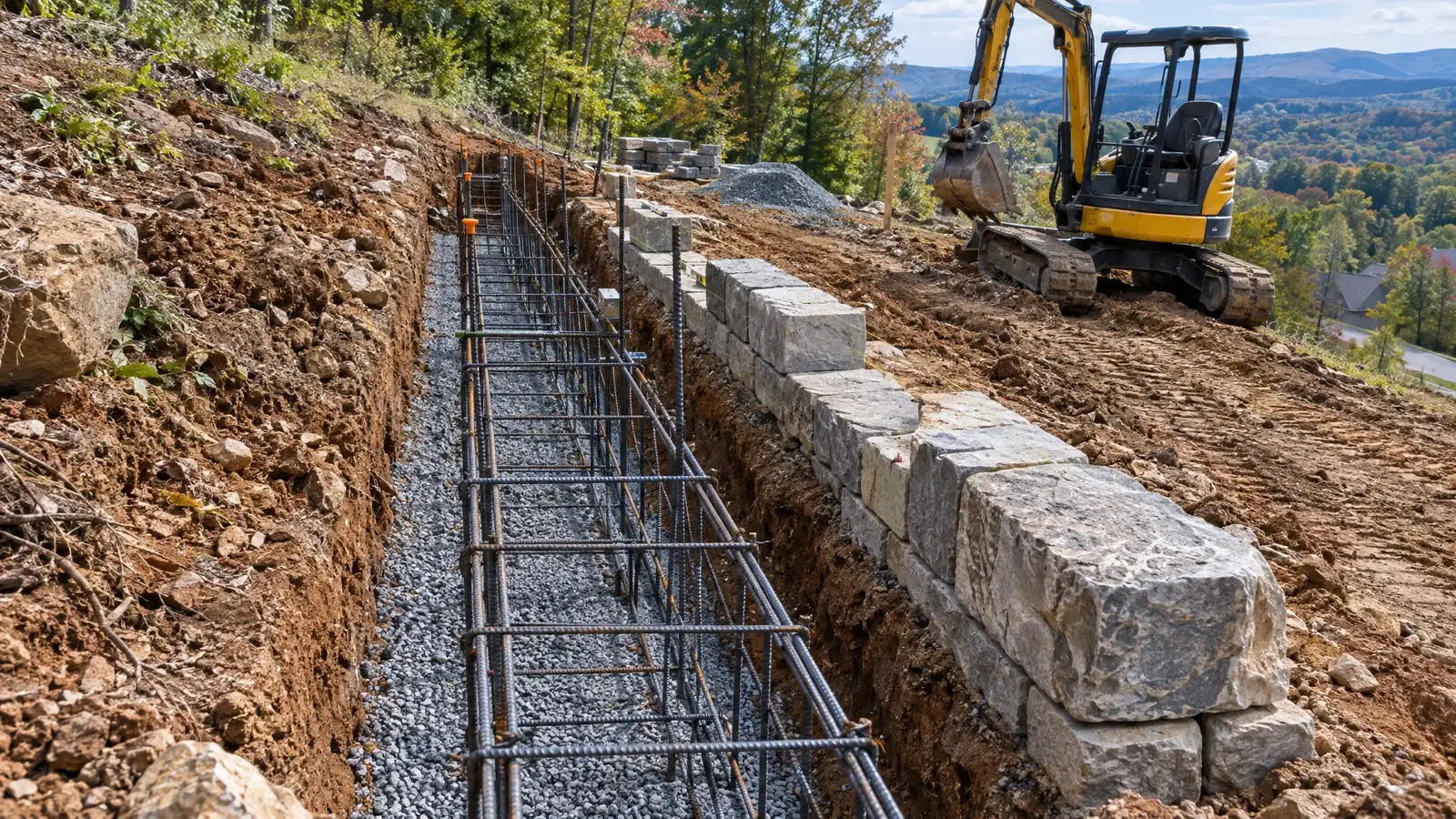
We excavate for wall footings, place and compact the leveling base, install the drainage stone and pipe behind the wall and backfill in lifts as the wall rises. We work with masons, wall installers and engineers, and we dig to their drawings.
Signs this service fits
- A sloped yard needs a retaining wall
- A block or stone wall needs a footing trench
- An existing wall is leaning and needs digging out behind it
- A masonry project needs excavation or drainage stone
A good fit, and what to know.
We would rather you hear the limits from us than discover them later.
A good fit when
- A wall plan or a mason is ready to proceed
- The slope or soil needs careful excavation
- You want drainage built in from the start
Worth knowing
- Tall or structural walls need engineering and may need permits
- Soft soil or groundwater can change footing design
Why do it this way.
Footings that stay put
A compacted, level base keeps the wall true.
Drainage behind the wall
Stone and pipe release water instead of letting it push.
Safe cuts in slopes
Benching or support protects workers on steep cuts.
Coordination with masons
Digging and backfill are timed to the wall crew.
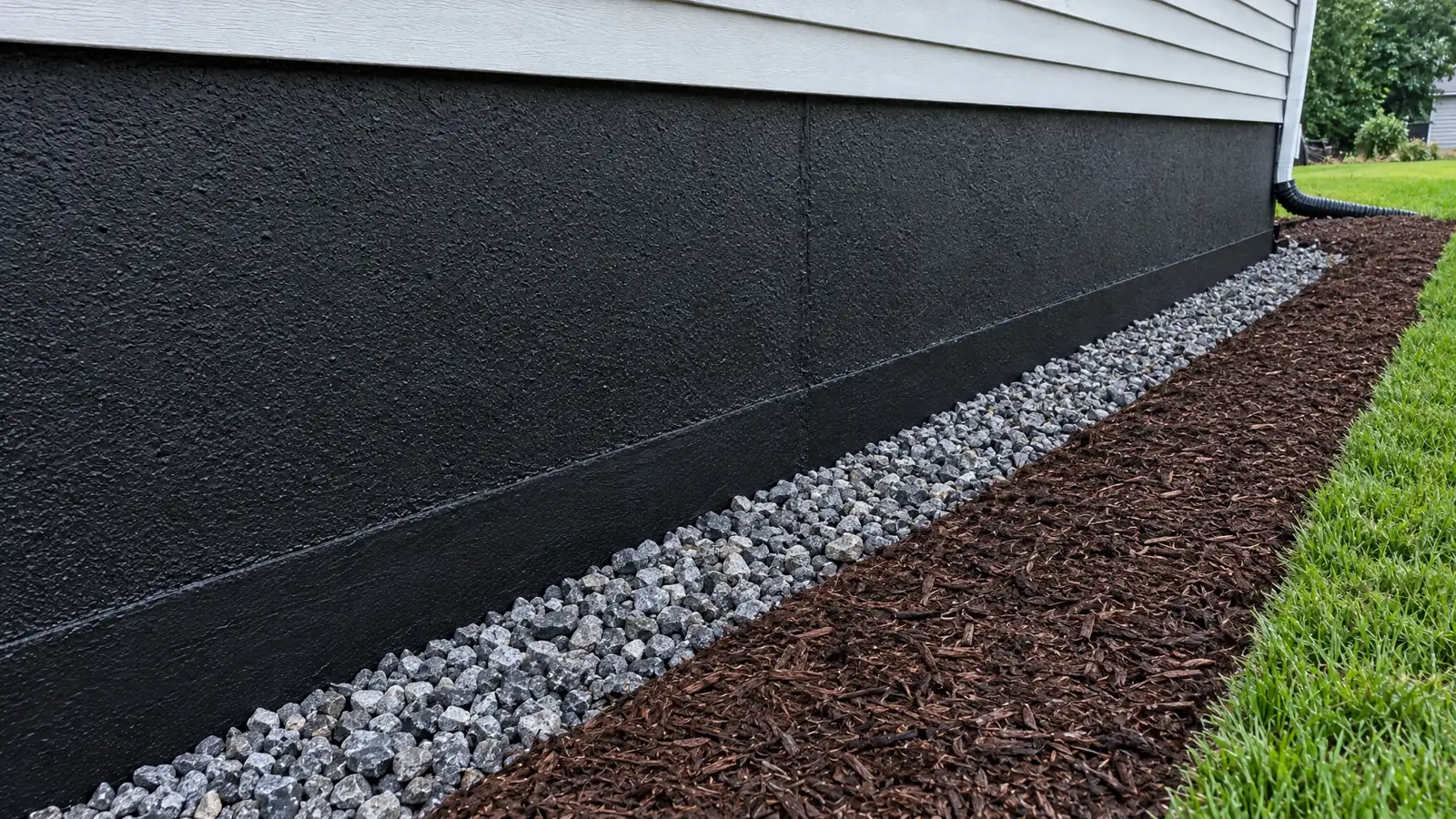
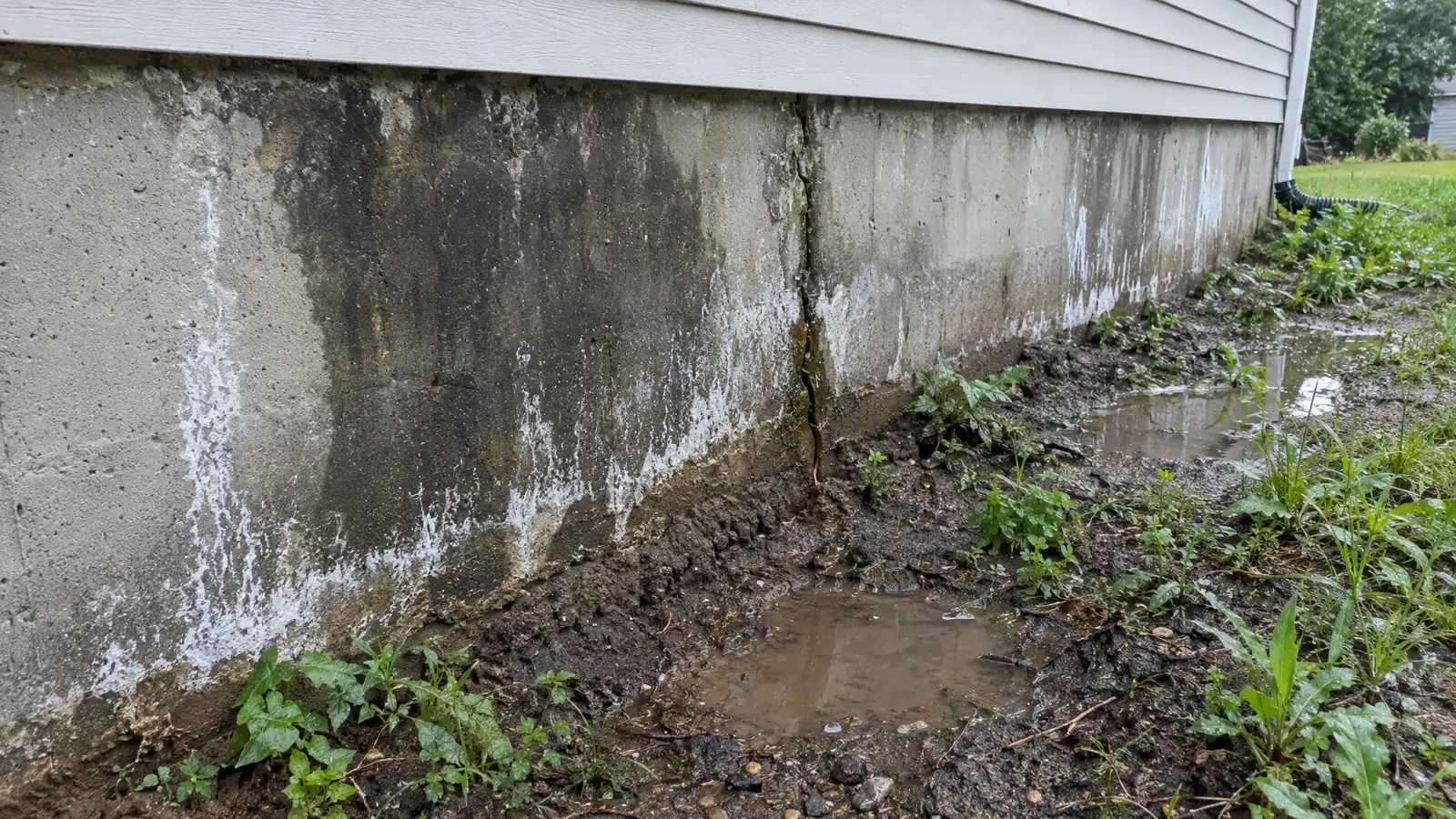
Before and after: wet wall to dry wall
 AfterBefore
Illustrative scene created to show a typical condition before and after the work. Drag the handle to slide between them.
From first look to finished ground.
A clear sequence for every job.
- 01
Review the wall plan
Height, footing size, drainage and setbacks come from the plan or the wall installer.
- 02
Excavate
The footing trench and the area behind the wall are cut, benching the slope when needed.
- 03
Base and drainage
Base stone is leveled and compacted and drain pipe and stone are placed behind.
- 04
Backfill in lifts
Backfill is compacted as the wall rises and the top is graded away from the wall.
Services that go together.
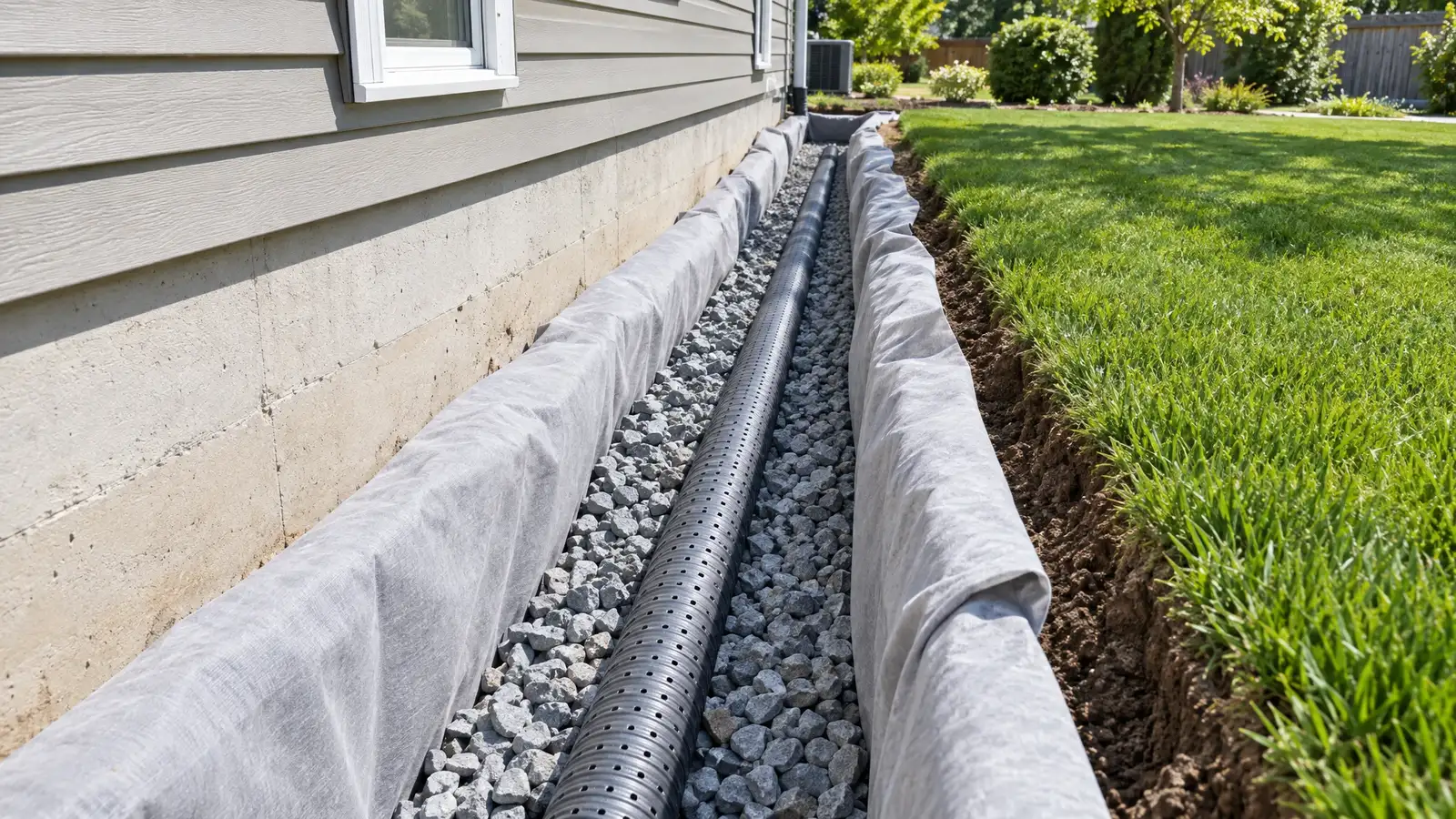 D-04RepairFrench DrainsFabric-lined trenches with perforated pipe and clean stone that intercept groundwater and carry it away from the house and the lawn.Shallow trench
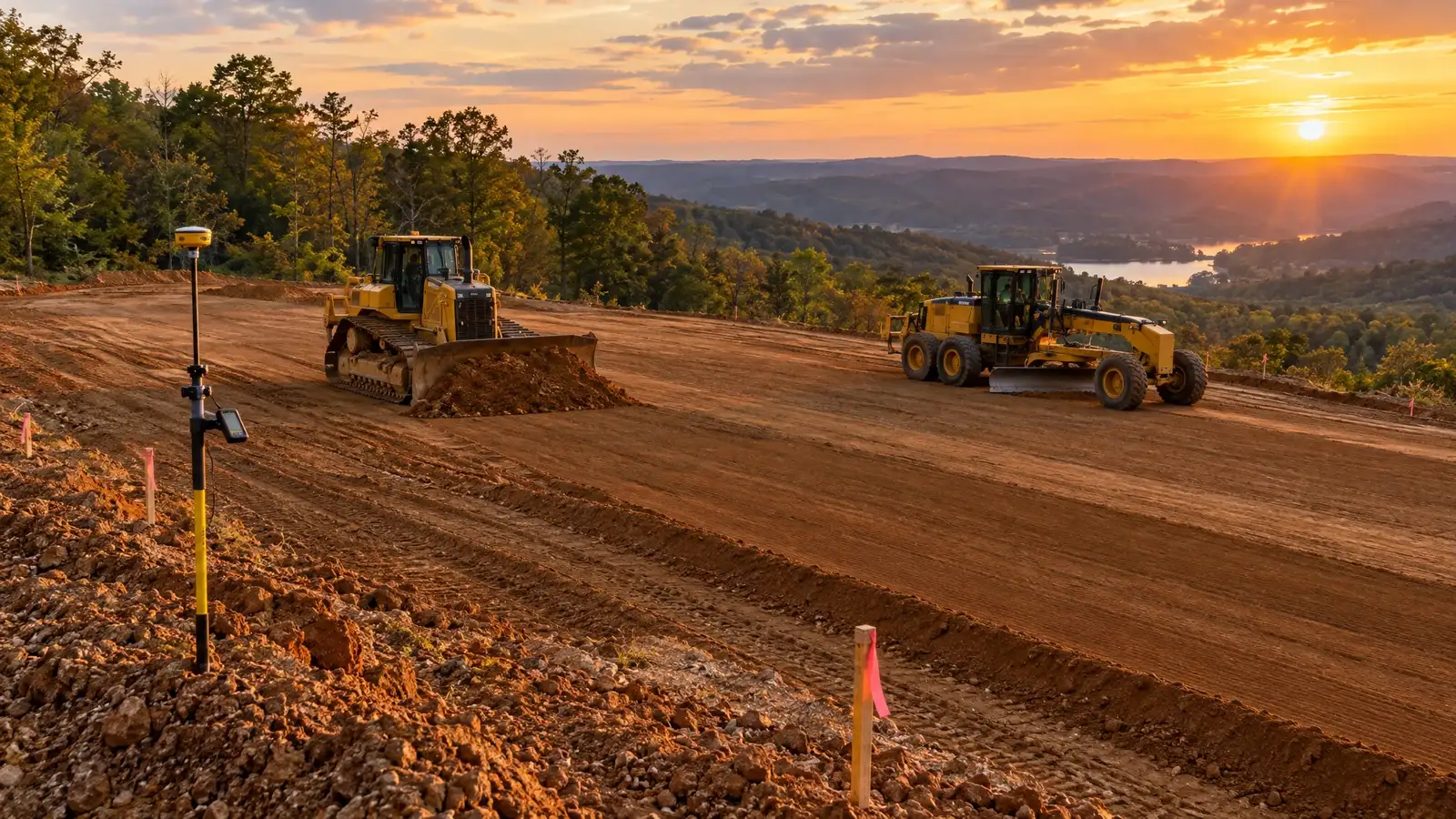 B-03ExcavationSite Grading & PadsCut-and-fill grading, pad building and rough grading for homes, shops, barns and commercial buildings, shaped for drainage and ready for the next trade.Surface work
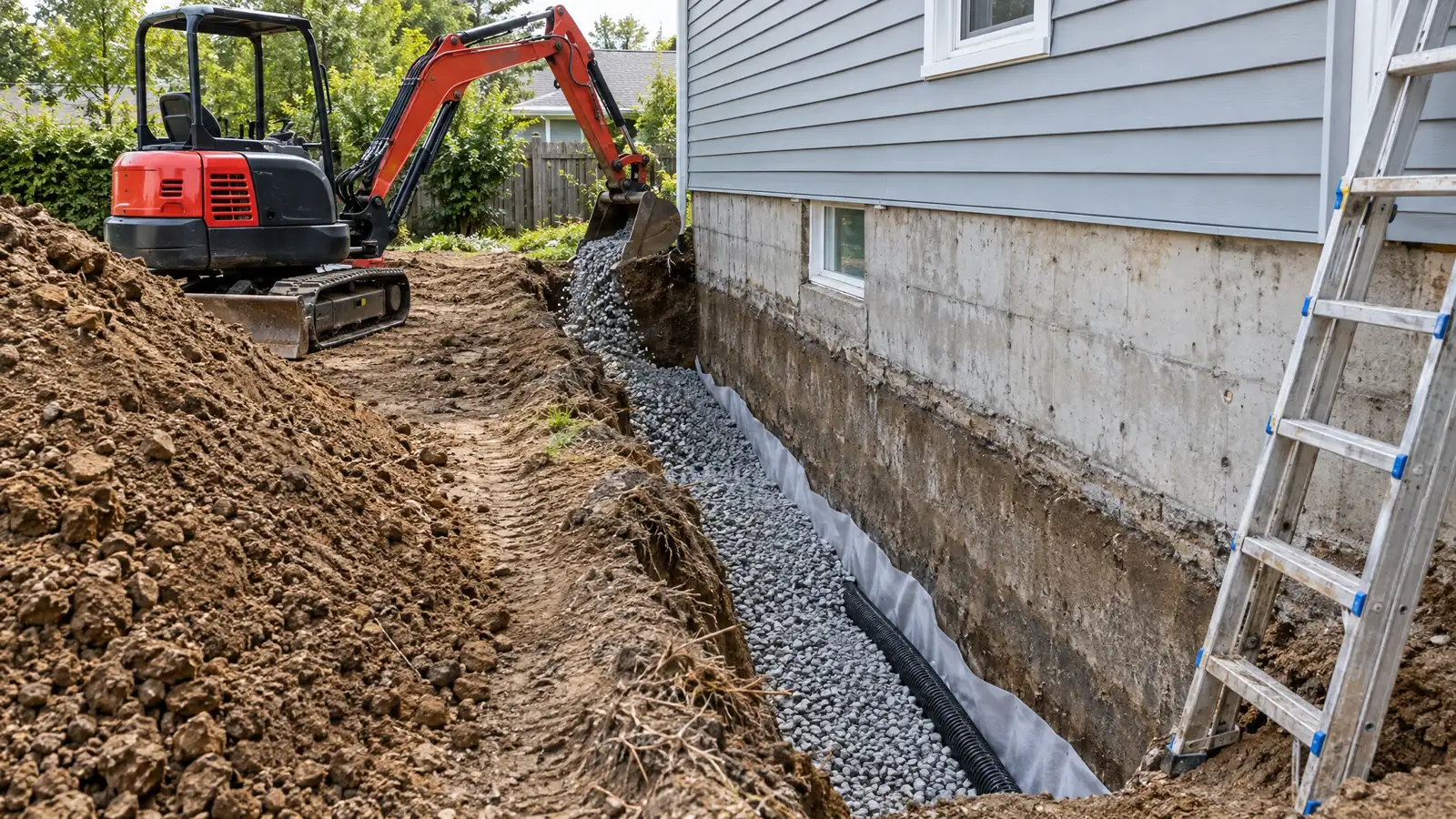 B-04ExcavationFoundation ExcavationExcavation for footings, stem walls and slabs, and digging out around existing foundations so repairs and waterproofing can be done properly.Deep excavation
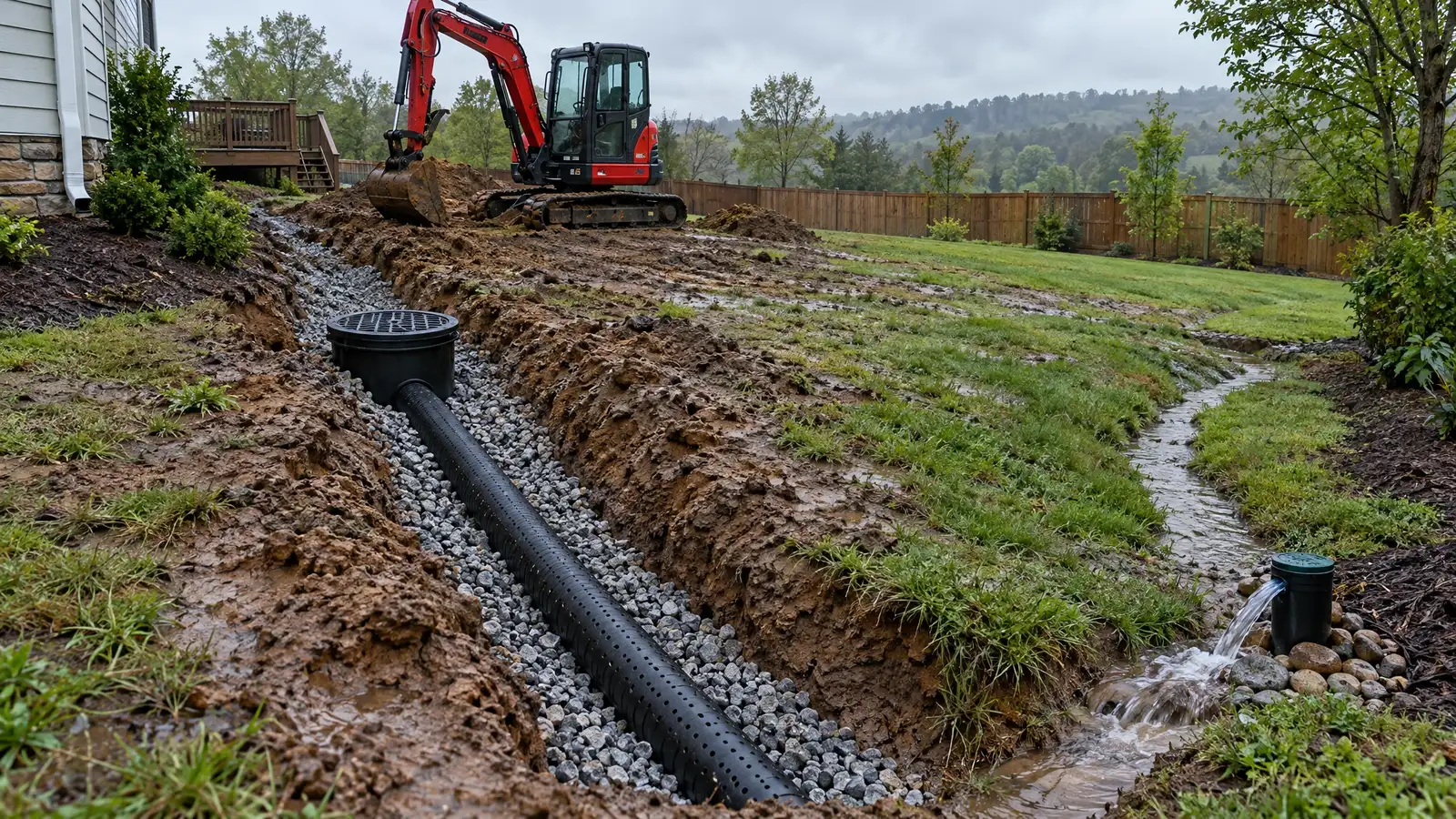 D-03RepairYard DrainageSurface and subsurface drainage built into the yard: regrading, swales, catch basins, drain pipe, French drains and downspout extensions.Shallow trench
Read more on this topic.
Site Grading and Drainage BasicsHow slope, swales and outlets keep water away from buildings.2 min read  Compaction and Settling After BackfillWhy backfilled areas sink, and how compaction in lifts prevents it.2 min read Clay Soil and Your Utility LinesHow Middle Tennessee clay affects trenches, drainage and settling.2 min read
Retaining Walls & Masonry Support FAQ.
Do you build the walls?
We handle the excavation, base, drainage and backfill and coordinate with masons or wall installers who build the wall itself.
Why does drainage behind a wall matter?
Water behind a wall adds weight and pressure. Letting it escape through stone and pipe is one of the best protections against leaning or failure.
Do tall walls need engineering?
Often yes. Taller walls and walls that hold up structures or driveways are typically engineered, and we dig to those specifications.
Retaining Walls & Masonry Support across Middle Tennessee.
Pick your city for its page.
Call 811. Then call us.
Tell us what you are building, fixing or draining and we will suggest a site visit and a plan. The lines get located before the bucket moves.