The short version
- Trench walls can collapse with little warning
- OSHA generally requires a protective system for trenches 5 feet or deeper
- Spoil and equipment must be kept back from the edge
- A competent person inspects excavations
Why trenches are dangerous
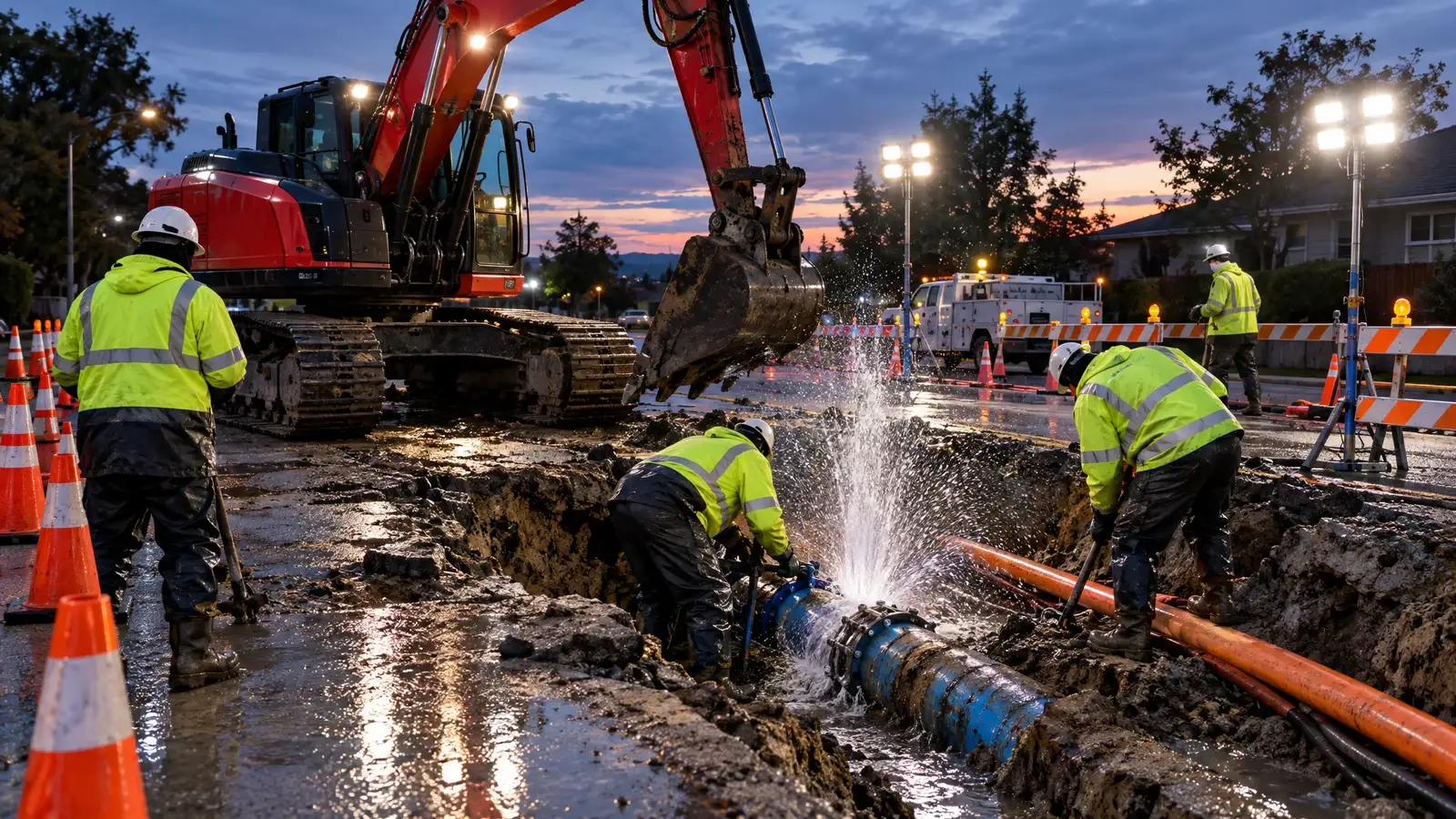
Soil is heavy, and a cubic yard weighs well over a ton. When a trench wall collapses, it can bury a person within seconds, and the weight on the chest can prevent breathing. Trenches that look stable can fail after rain, vibration or nearby traffic.
That is why trenching is regulated and why it is not a casual job.
What the rules generally say
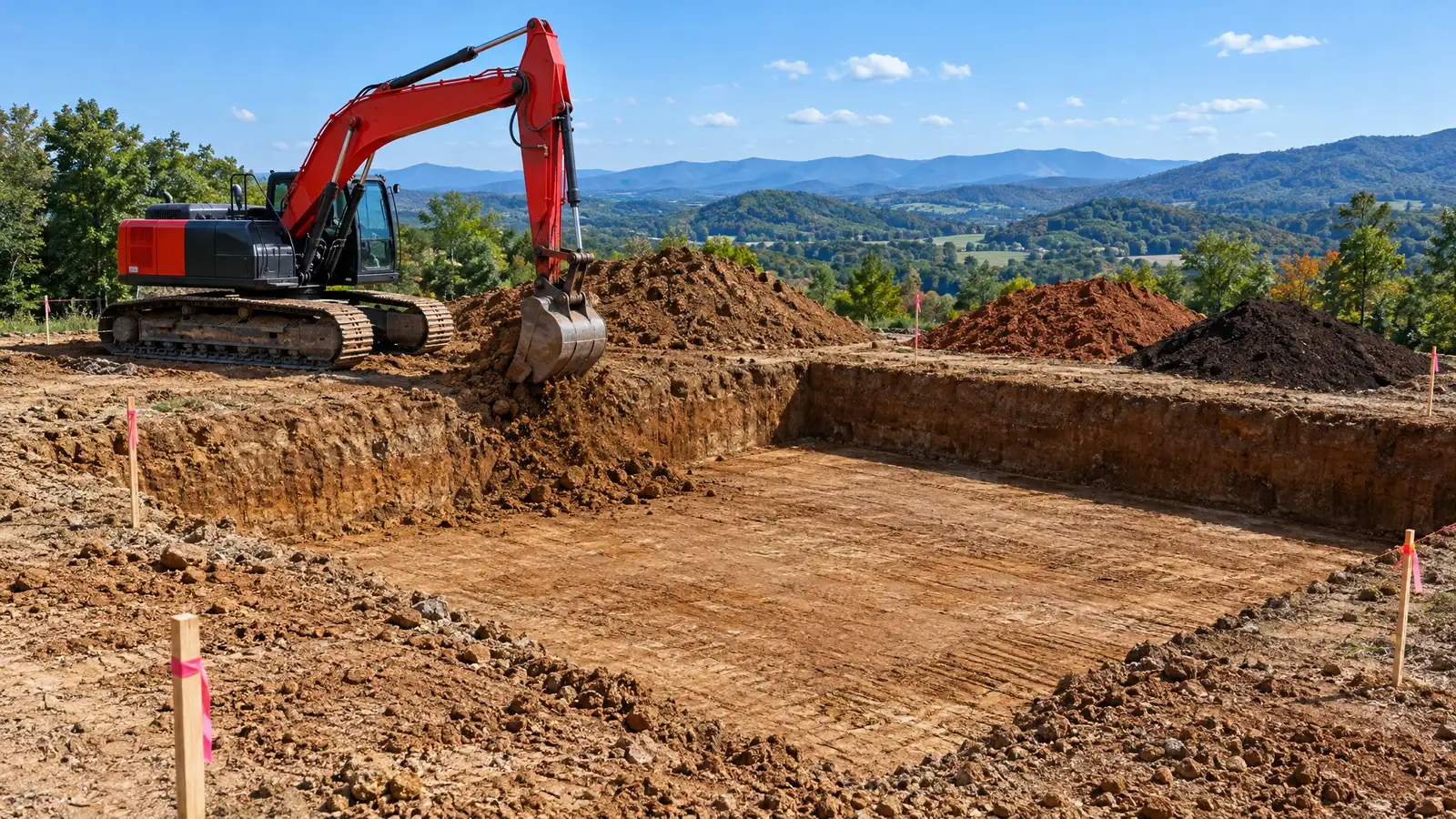
OSHA’s excavation standard generally requires a protective system, such as sloping, benching, shoring or a trench box, for trenches 5 feet deep or more, unless the excavation is made entirely in stable rock. Trenches 4 feet or deeper typically need a ladder, ramp or stair within 25 feet of workers. Deep trenches of 20 feet or more require a design by a registered professional engineer.
A competent person must inspect excavations daily and after rain. This is a general summary, not compliance advice.
Good site habits
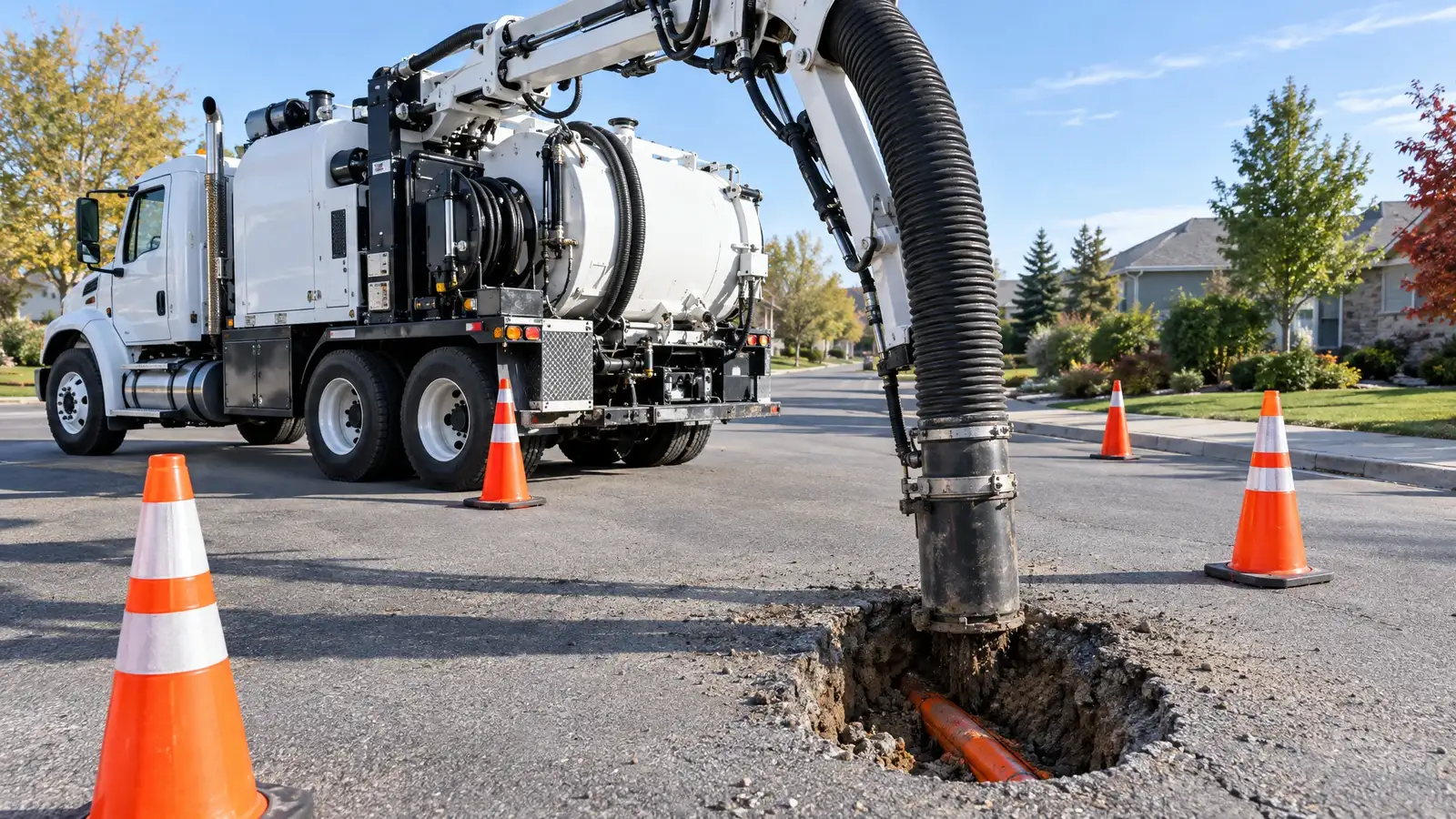
Spoil piles and equipment belong at least 2 feet back from the edge. Utility locates come first, and workers stay out of trenches with water, bad air or unstable walls. Never enter a trench with an unmarked line nearby.
Keep children and pets away from open trenches.
What homeowners should do
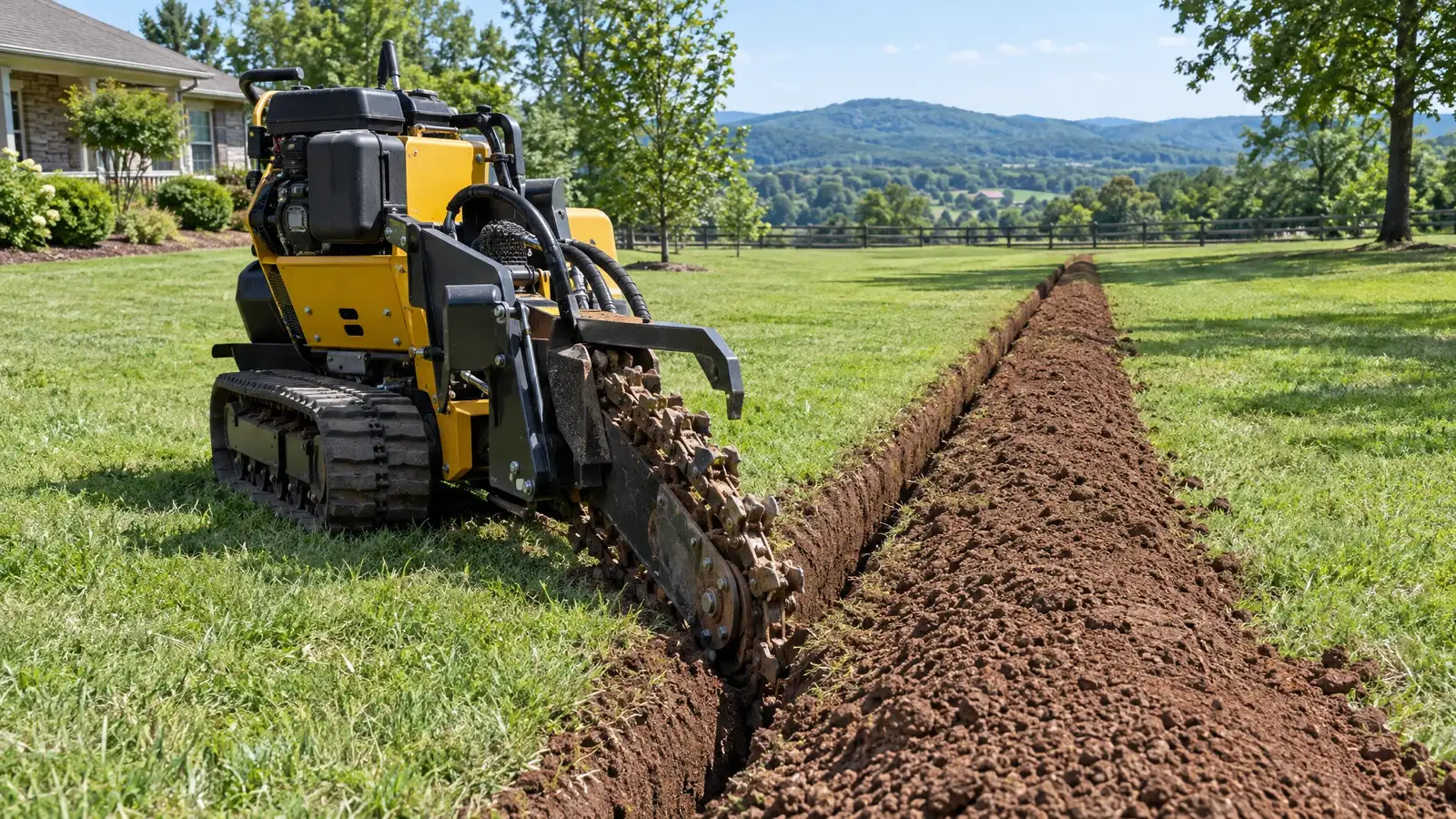
For anything deeper than a shallow garden trench, hire a contractor who knows how to protect a trench. Even a trench 4 or 5 feet deep can be fatal.
If you must dig, keep it shallow, call 811 first and never work alone.
General information, not engineering, legal or safety advice. Rules and requirements vary by utility, city and county.