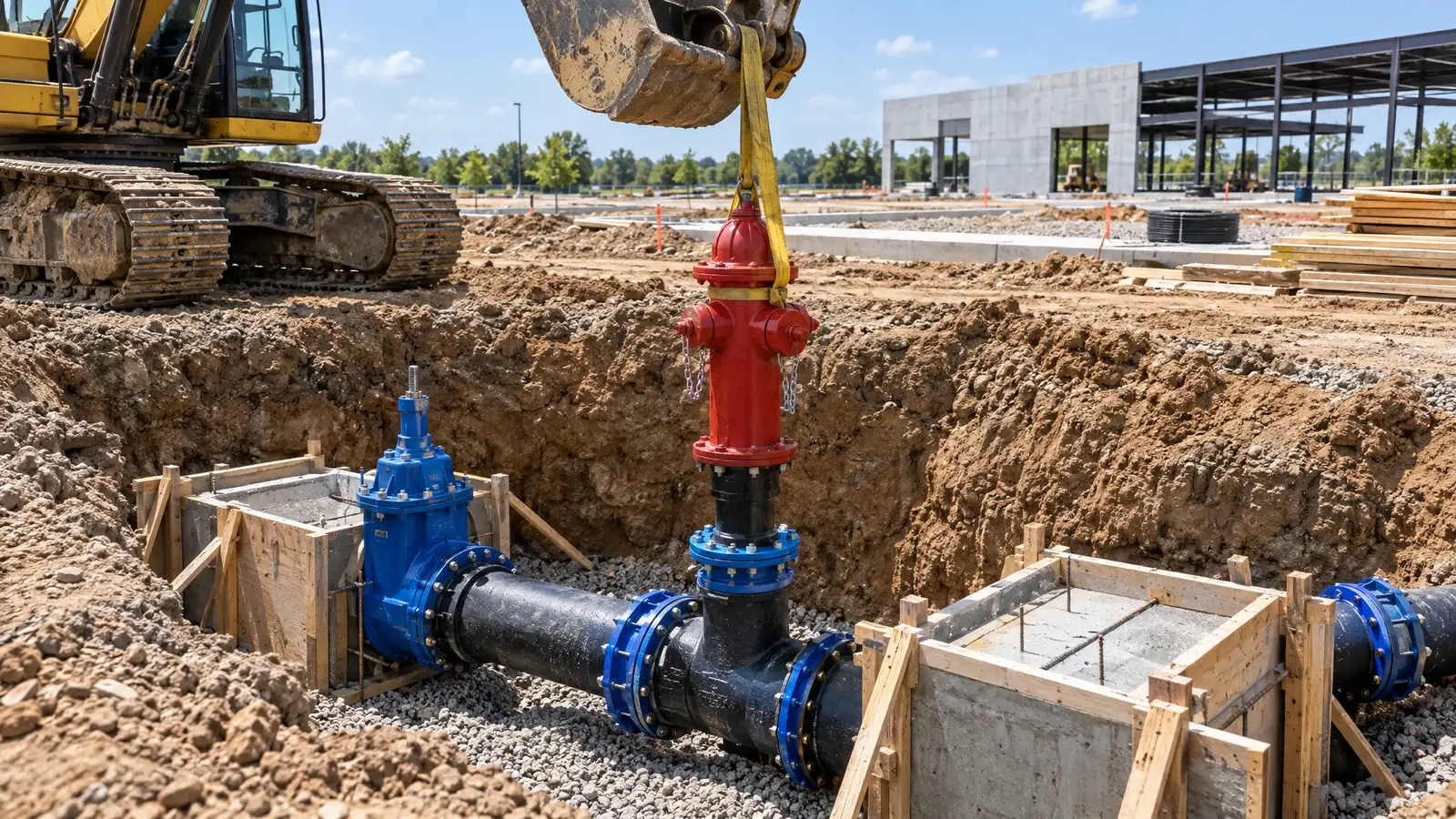
Fire Line and Hydrant Installation in Nashville, TN
Excavation, large-diameter pipe laying, thrust blocking and hydrant setting for private fire lines and site hydrants on commercial and multi-family properties.
- Utility Line Installation
- Deep dig, protected
- Middle Tennessee
Fire Line and Hydrant Installation, explained.
Fire protection water has to arrive at full pressure when it is needed, so the underground line that feeds sprinklers and hydrants is built to a stricter standard than most pipe on a site. Ductile iron or other approved pipe, restrained joints, thrust blocks and carefully set hydrants all matter, and so does the inspection that follows.
We excavate to the plan, lay and join fire line pipe, pour or set thrust restraint at bends and tees and set hydrants and valves at the elevations specified. The sprinkler and fire protection design belongs to the engineer and fire protection contractor, and we build the underground portion to their drawings.
Signs this service fits
- A commercial or multi-family project needs a new fire service
- A site needs hydrants installed or relocated
- A building addition extends the underground fire line
- An old fire line is being replaced
A good fit, and what to know.
We would rather you hear the limits from us than discover them later.
A good fit when
- Approved plans and a design are in hand
- The site is ready for trenching and has access for heavy pipe
- The schedule has to match inspections
Worth knowing
- Plan approvals, tap permissions and inspections control the timeline
- Deep trenches need protective systems and more room to work
Why do it this way.
Built to drawings
The underground work follows the fire protection design.
Restrained joints
Thrust restraint keeps pressurized pipe where it belongs.
Hydrants set correctly
Elevation, orientation and drainage are handled at setting.
Inspection-ready
Work is staged for the testing and inspection the authority requires.
From first look to finished ground.
A clear sequence for every job.
- 01
Read the drawings
We review the underground fire plan, valve locations and hydrant elevations before mobilizing.
- 02
Excavate and bed
Trenches are cut to depth with shoring or sloping as the depth requires and bedding is placed.
- 03
Lay, restrain and set
Pipe is joined and restrained, thrust blocks are formed and hydrants and valves are set.
- 04
Inspect and backfill
The line is flushed and tested as required and inspected before backfill and restoration.
Services that go together.
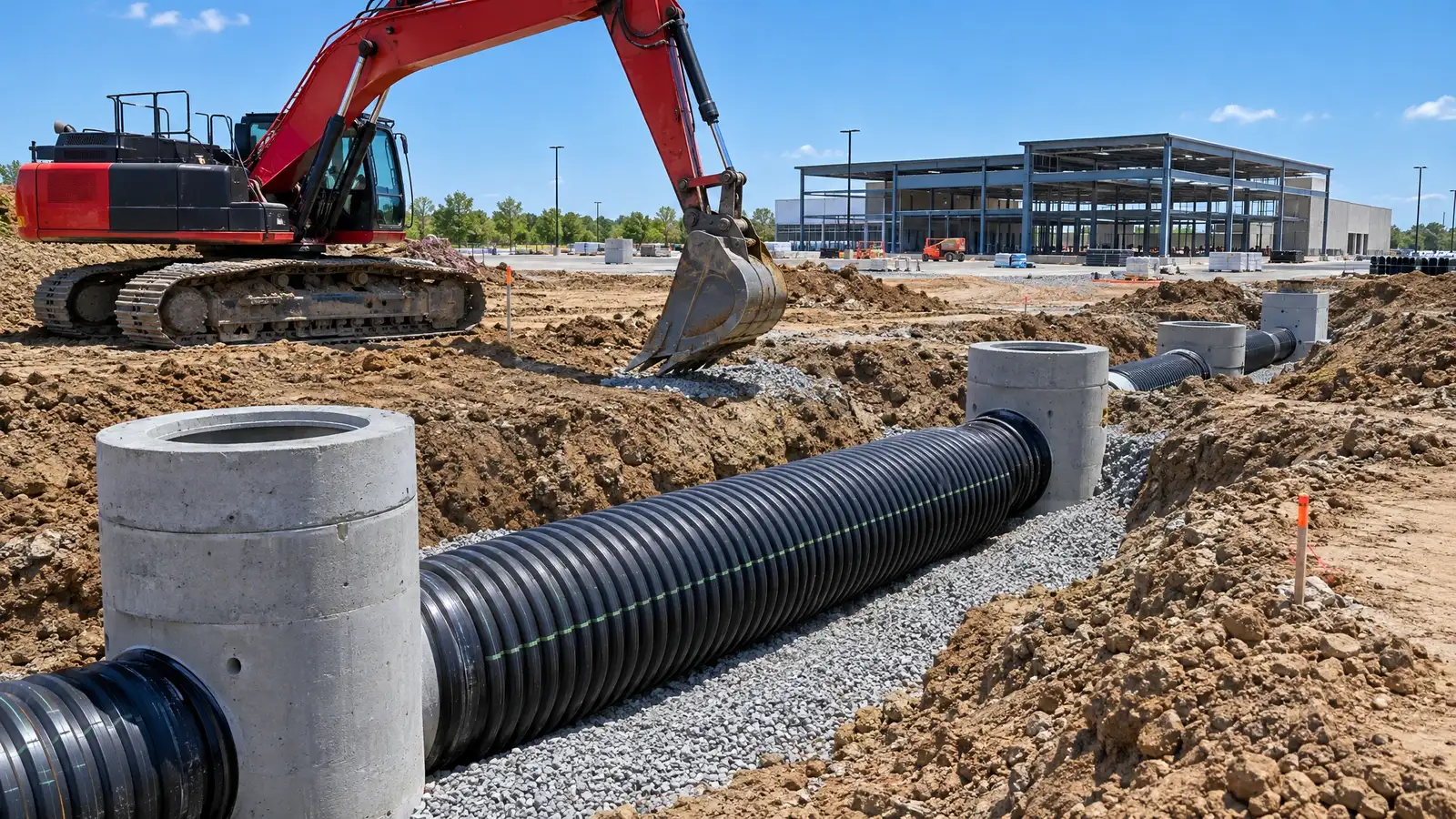 E-02ProjectsCommercial Site UtilitiesUnderground water, sewer, storm, fire protection and conduit for commercial pad sites, built to plan and scheduled with the general contractor.Deep excavation
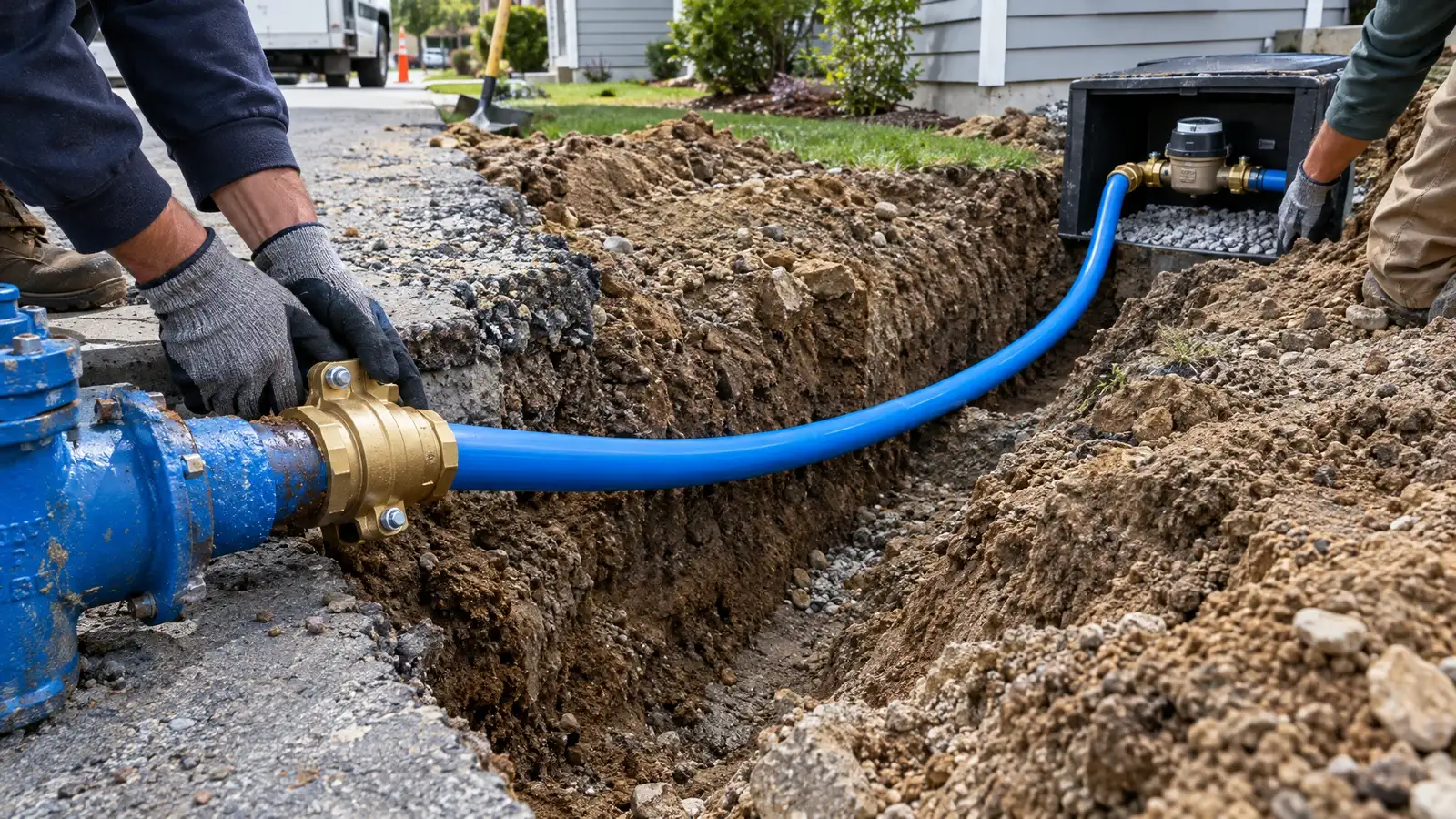 A-02Utility LinesWater LinesNew water service lines and private water mains trenched, laid and backfilled from the meter or main to your home, building or outbuilding.Shallow trench
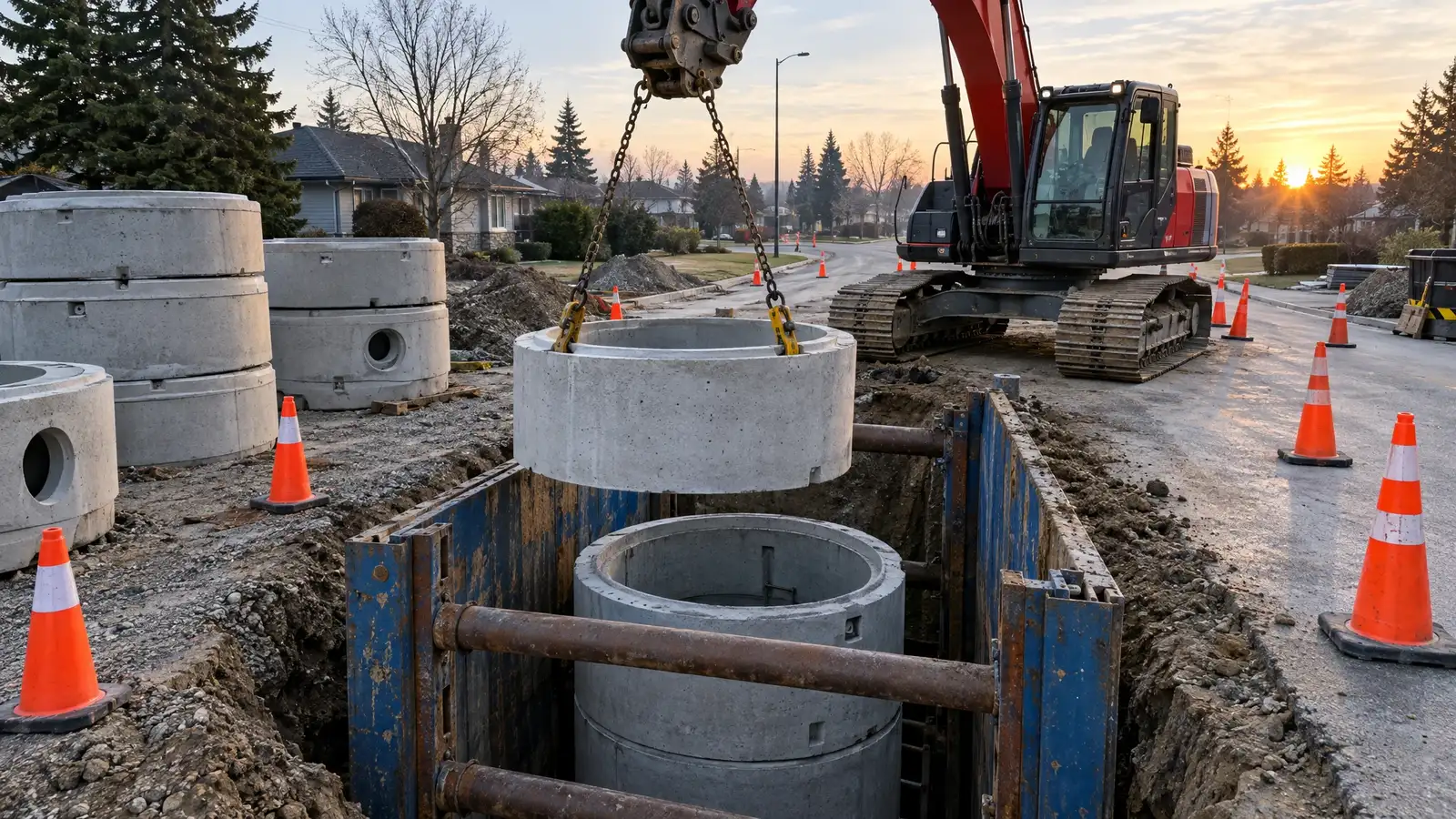 A-10Utility LinesManholes & Catch BasinsPrecast manholes, drop inlets and catch basins set on prepared bases and tied into sewer and storm lines on development and commercial sites.Deep excavation
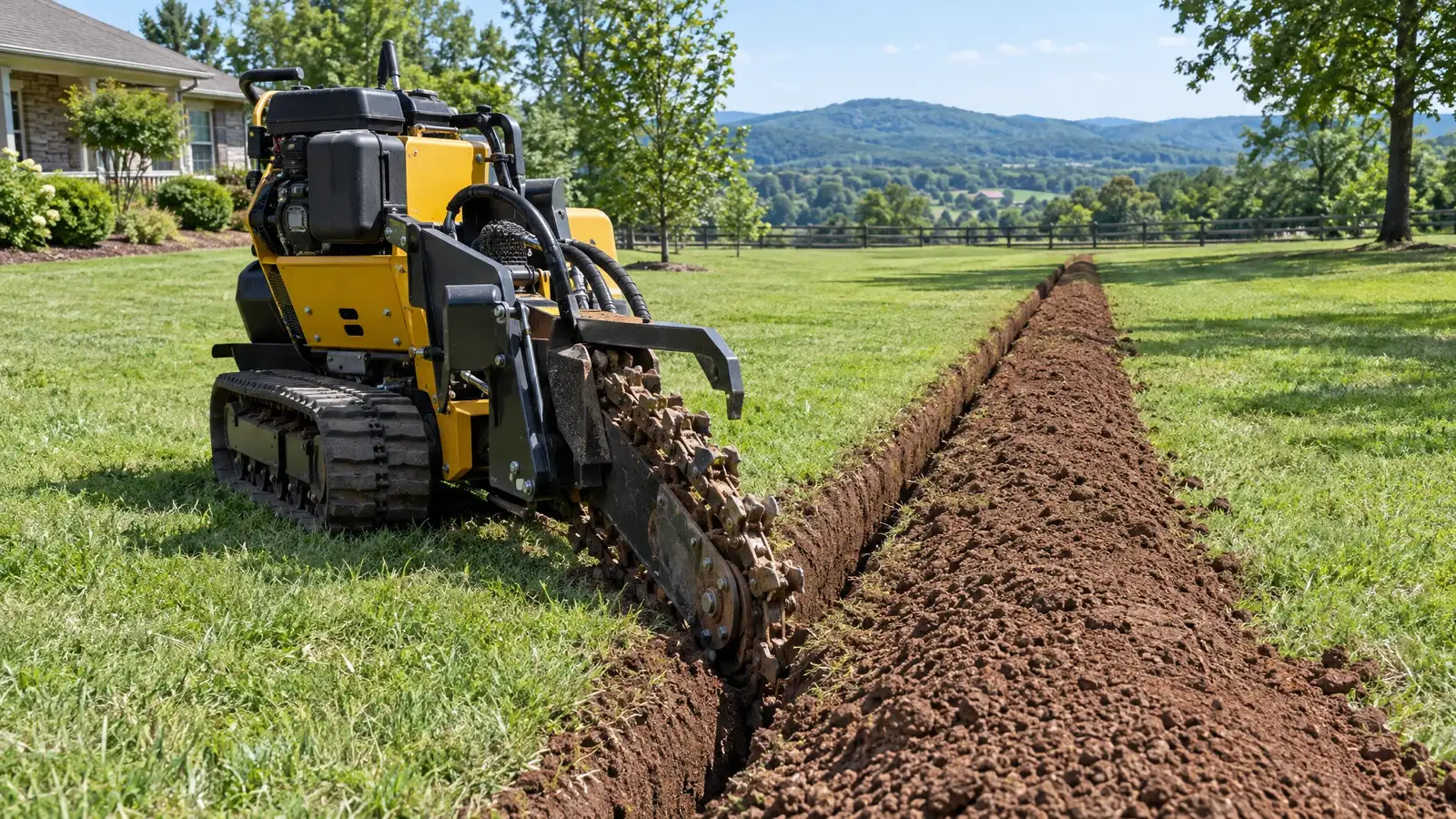 B-02ExcavationTrenchingTrenching by trencher or excavator for water, sewer, electrical, communications, irrigation and drainage lines, with clean backfill and restoration.Shallow trench
Read more on this topic.
Trench Safety Basics for HomeownersWhy trenches are dangerous, what the safety rules generally say and why a deep trench is no place for a…2 min read  Permits for Underground Utility and Excavation WorkWhat kinds of permits apply, who issues them and how to avoid delays.2 min read What Affects the Cost of Utility WorkThe factors that move a price up or down, so you can compare bids on equal terms.2 min read
Fire Lines & Hydrants FAQ.
Do you design the fire system?
No. Design belongs to an engineer or fire protection contractor. We install the underground piping and hydrants to their plans.
Who inspects the work?
The local fire marshal or authority having jurisdiction inspects and witnesses testing. We schedule excavation and backfill around those inspections.
Why are trenches for fire lines so deep?
Cover depth is set to protect the pipe, and larger pipe needs a wider and often deeper trench. Deeper trenches also require safe sloping or shoring.
Fire Lines & Hydrants across Middle Tennessee.
Pick your city for its page.
Call 811. Then call us.
Tell us what you are building, fixing or draining and we will suggest a site visit and a plan. The lines get located before the bucket moves.