Underground Utility & Excavation Contractor
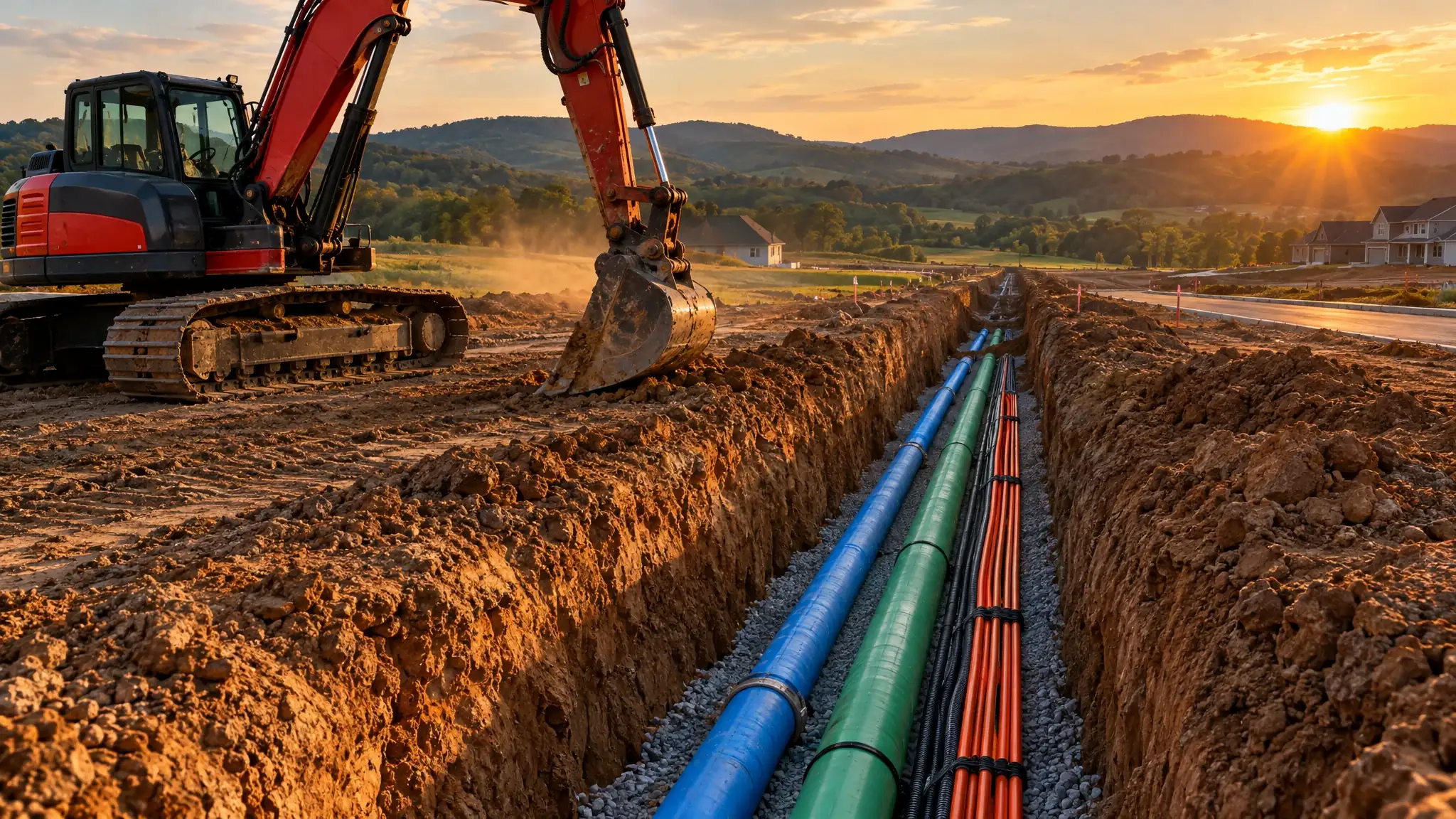
Water, sewer, storm and conduit lines laid to grade. Trenches dug safe. Bores that leave the driveway alone. Yards put back together. And the lines get located before the bucket moves.
- Surface work
- Shallow trench
- Deep excavation
- Trenchless bore
Six lines are buried under most lots. Tap one to see how it is built.
Electric
Electrical conduit protects wire from soil, rock and future digging. A licensed electrician pulls and connects the wire. We dig, lay conduit and sweeps, add warning tape and backfill.
Often the shallowest line. Depth follows the electrical plan and the utility.
ServicesEvery service, one crew.
Pick the family that fits your project, or browse every service.
Where most projects begin.
Fifty services in all. These are the ones people call about most.
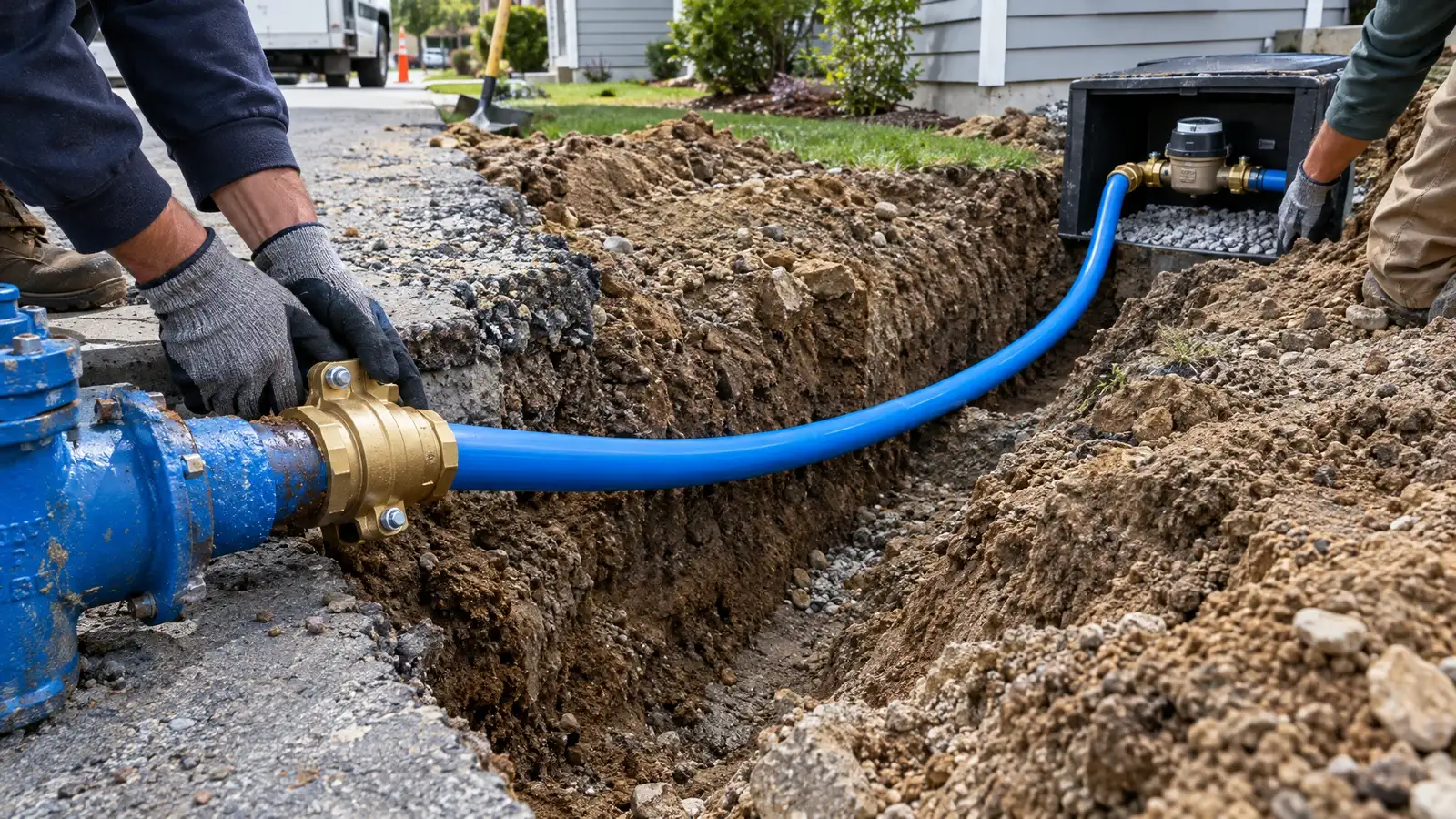 A-02Utility LinesWater LinesNew water service lines and private water mains trenched, laid and backfilled from the meter or main to your home, building or outbuilding.Shallow trench
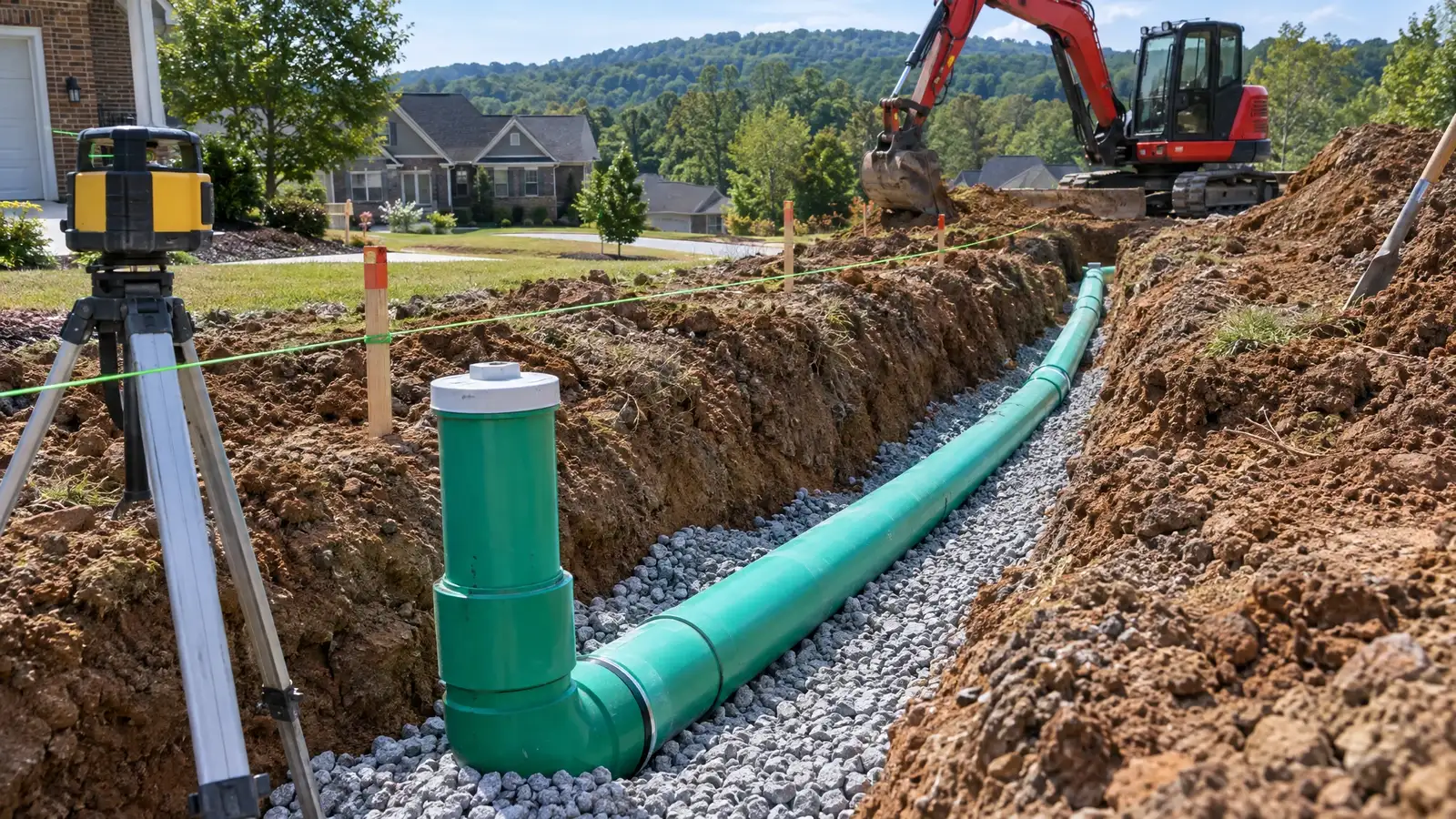 A-03Utility LinesSewer LinesNew private sewer mains and building laterals set to a laser-checked grade, bedded in stone and connected to the public sewer or a septic…Shallow trench
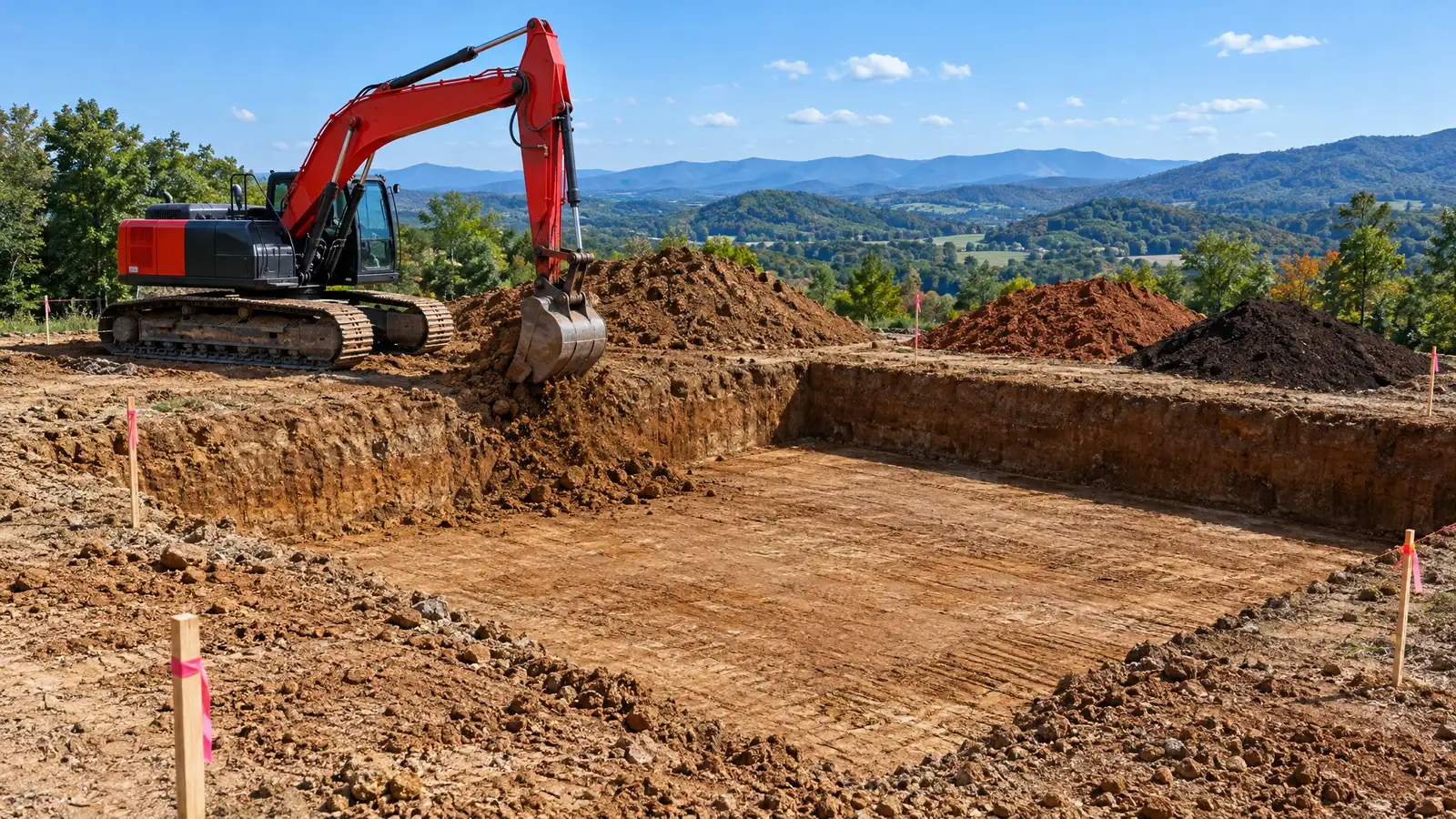 B-01ExcavationExcavation ContractorFull-service excavation for building pads, basements, utilities, drainage and site work, planned around locates, soil and safe digging practice.Deep excavation
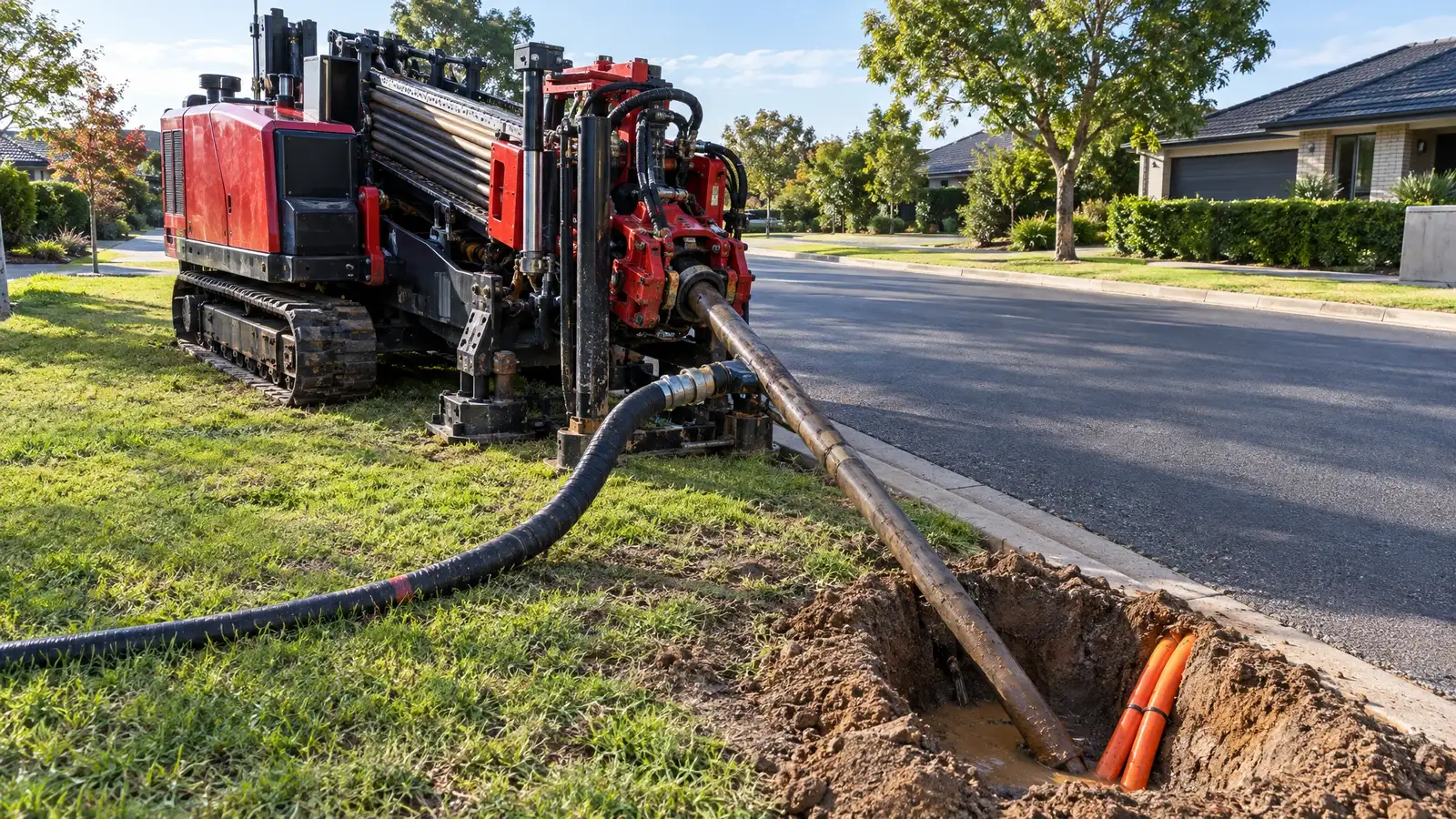 C-01TrenchlessDirectional DrillingSteerable drilling that installs conduit and pressure pipe under driveways, roads, creeks, trees and landscaping with only small entry and exit pits.Trenchless bore
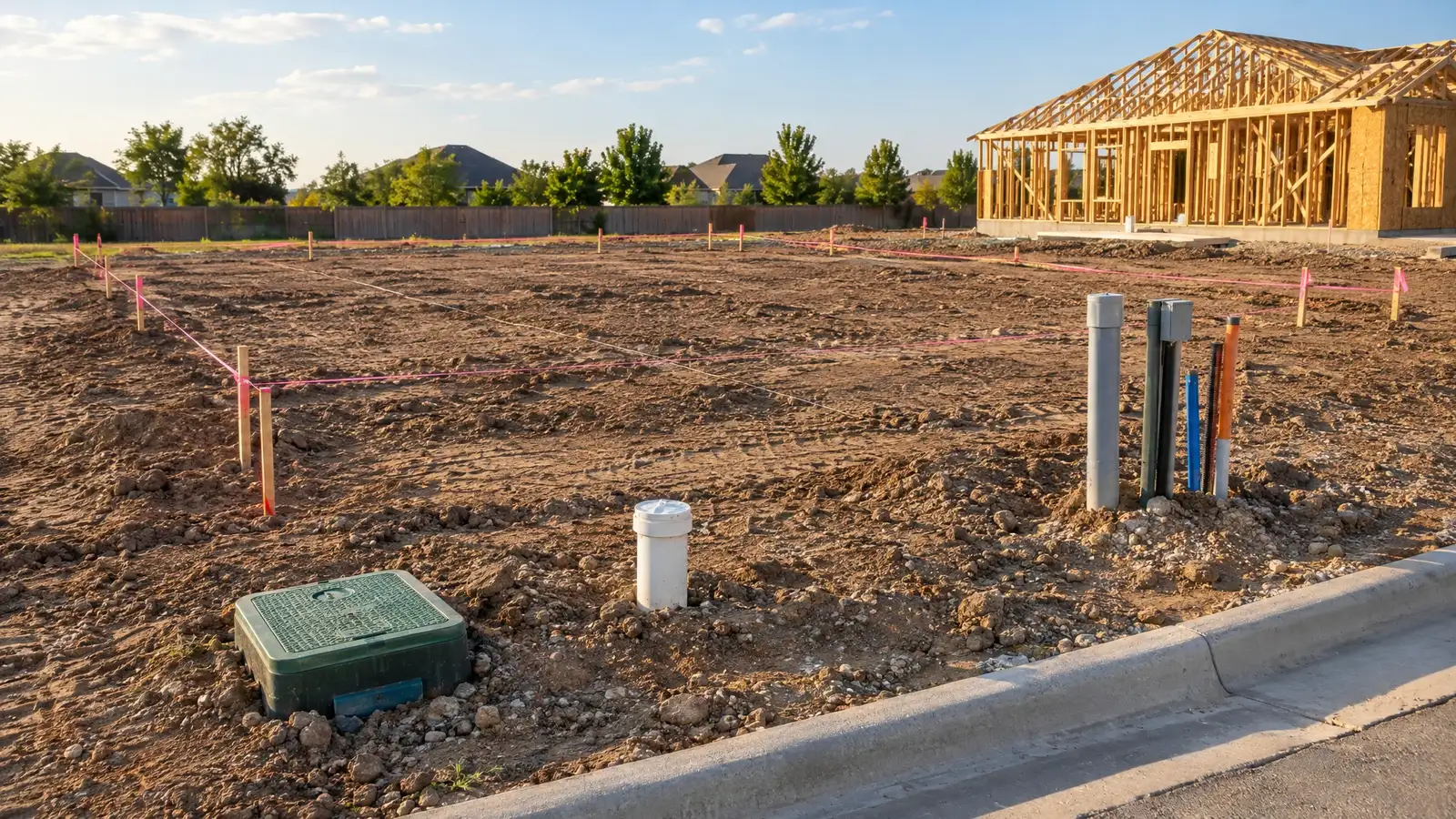 E-01ProjectsNew Home Lot UtilitiesEverything underground a new home needs, from clearing and pad prep to water, sewer or septic, conduit and restoration, planned and sequenced as one…Shallow trench
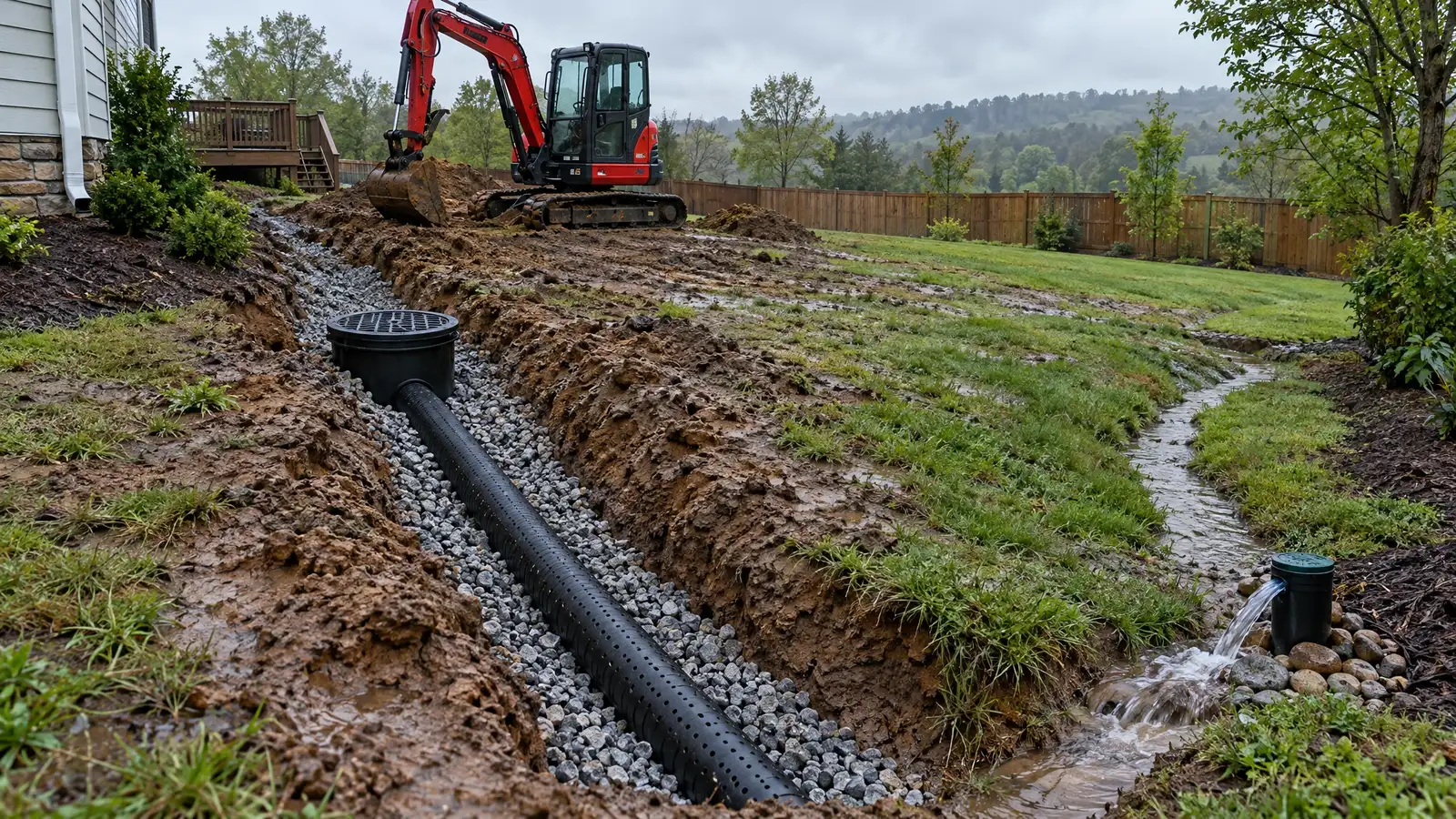 D-03RepairYard DrainageSurface and subsurface drainage built into the yard: regrading, swales, catch basins, drain pipe, French drains and downspout extensions.Shallow trench
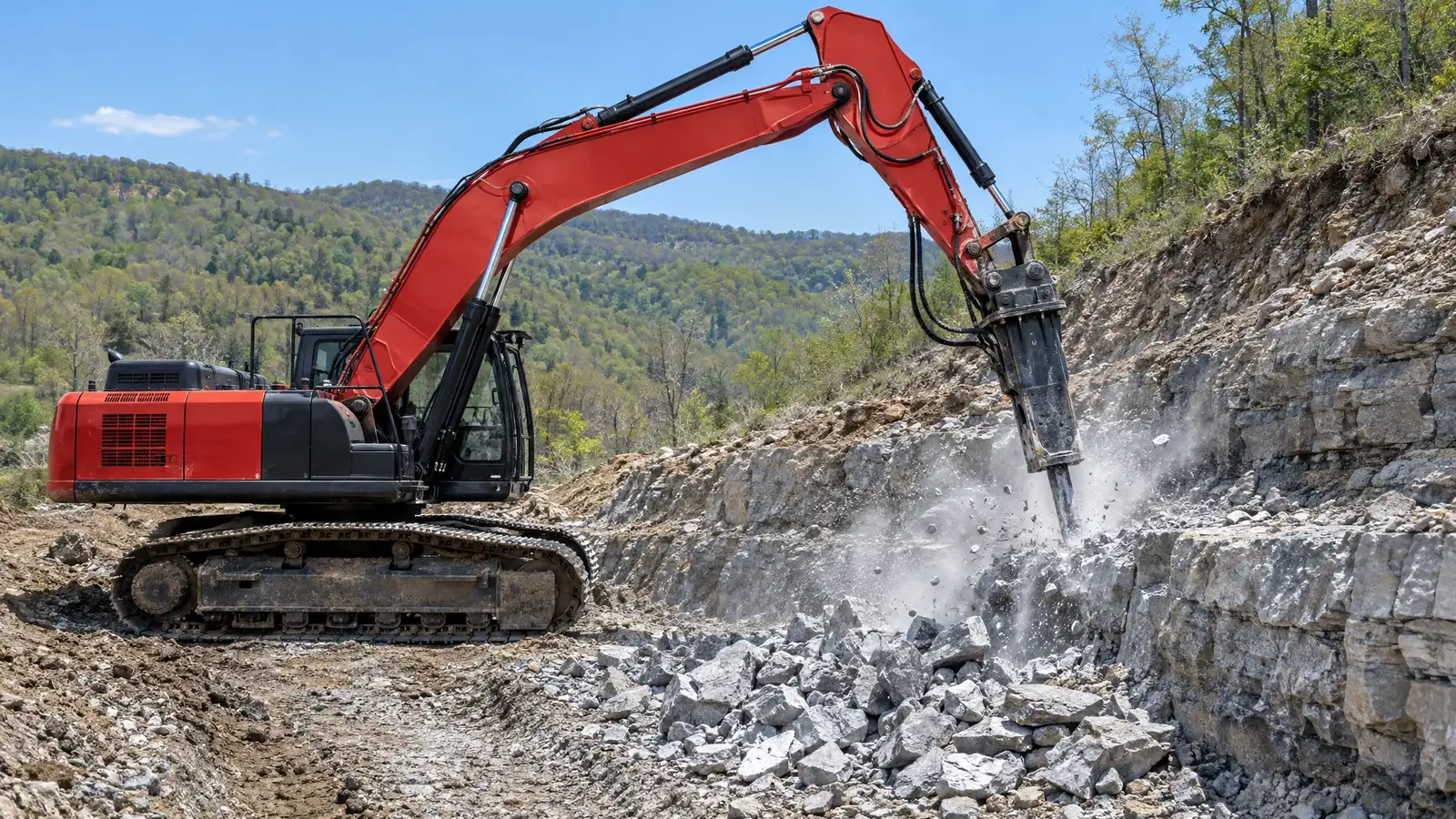 B-06ExcavationRock ExcavationHydraulic hammering, ripping and rock trenching for utility lines, foundations and pads where shallow bedrock gets in the way.Deep excavation
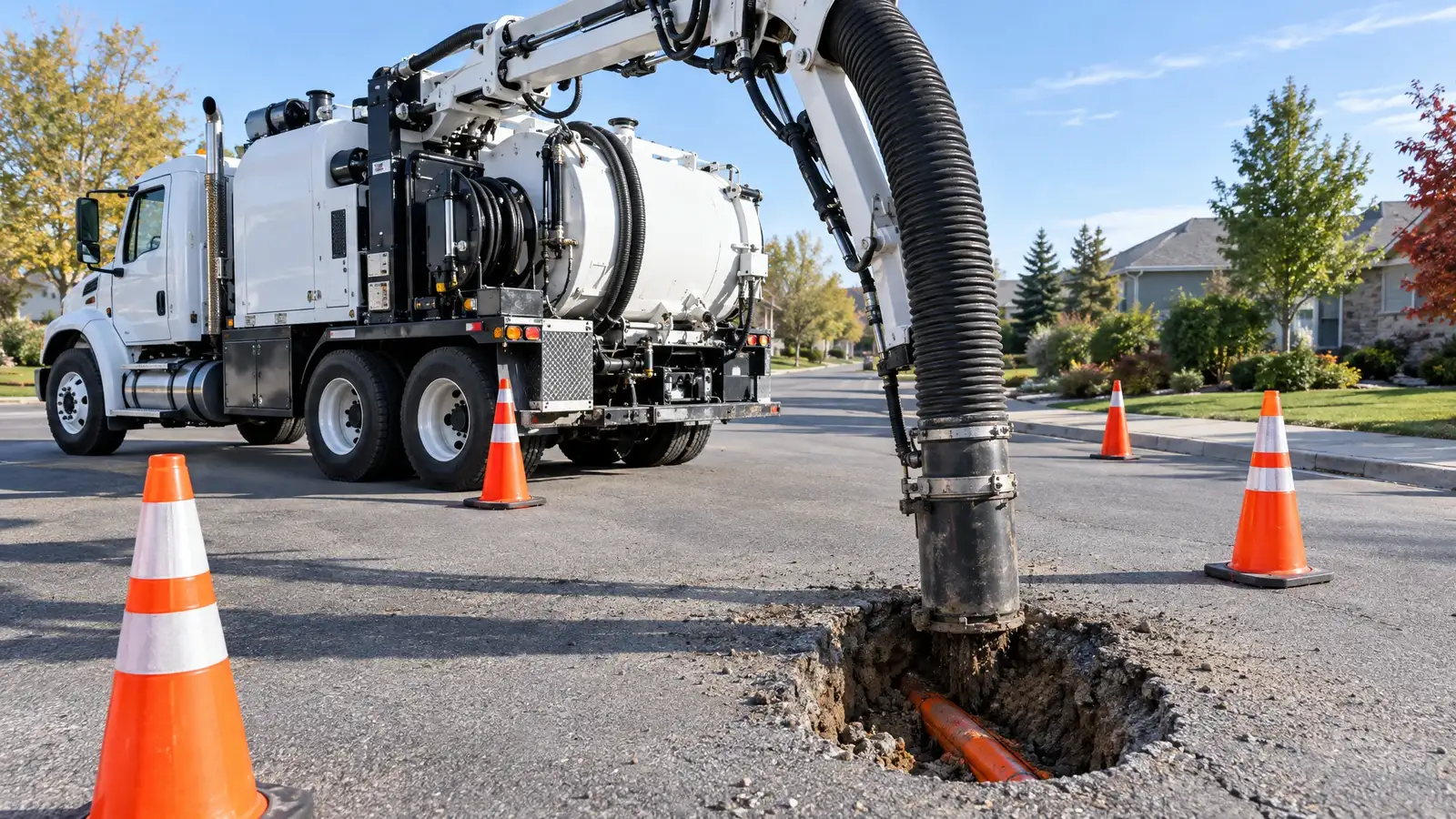 C-05TrenchlessVacuum ExcavationNon-destructive digging with air or water and a vacuum truck to expose buried utilities safely, confirm depth and prevent line strikes.Shallow trench
Go under it instead of through it.
Roads, driveways, patios, creeks and mature trees do not have to be cut. Answer four questions and see which method fits your route.
- Open trench, directional bore or jack and bore
- Reasons in plain language, not jargon
- Honest about when boring is not the answer
The ground, put back right.
Drag the handle. Illustrated scenes of typical conditions before and after the work.
Raw lot to ready lot
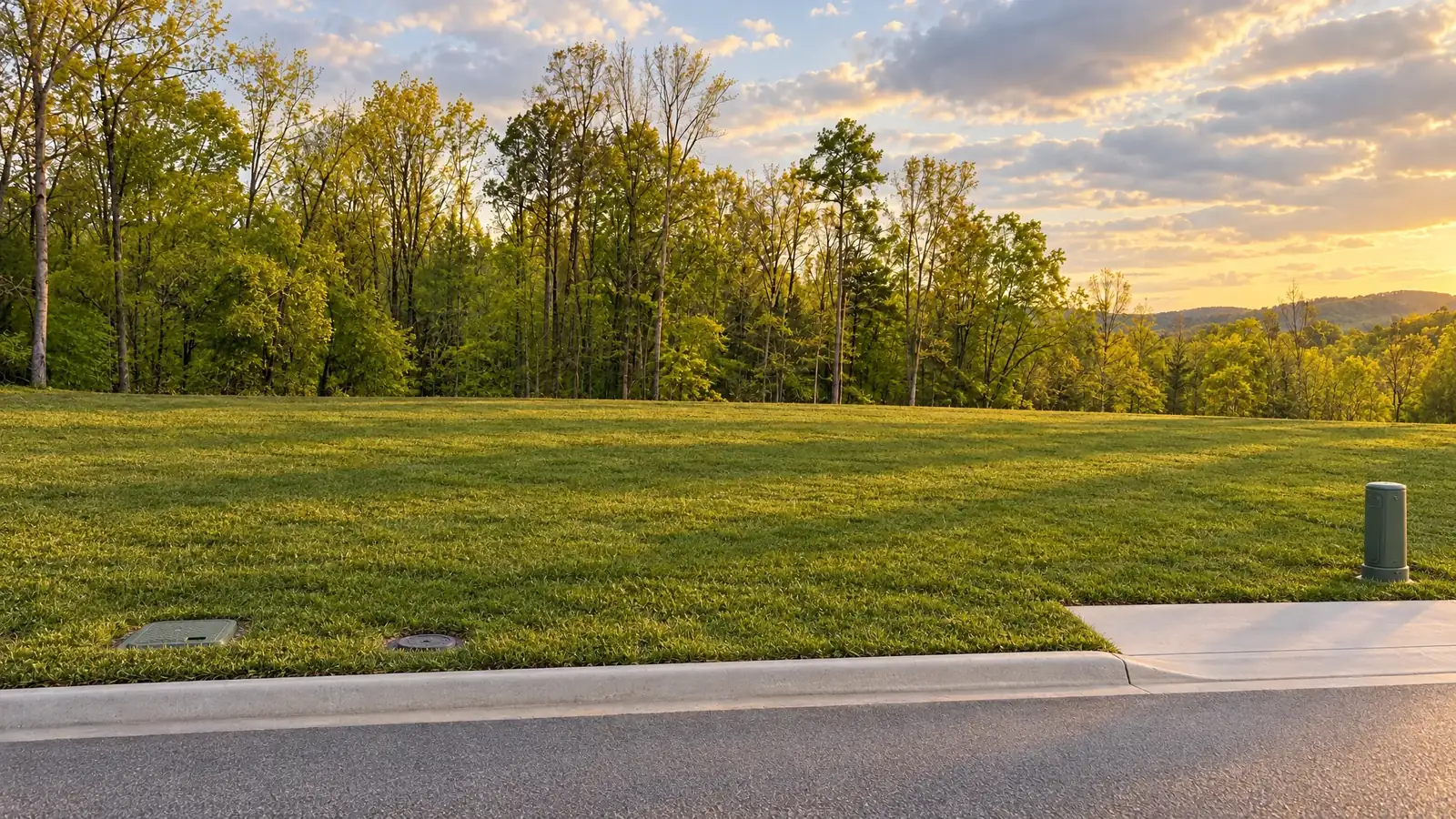
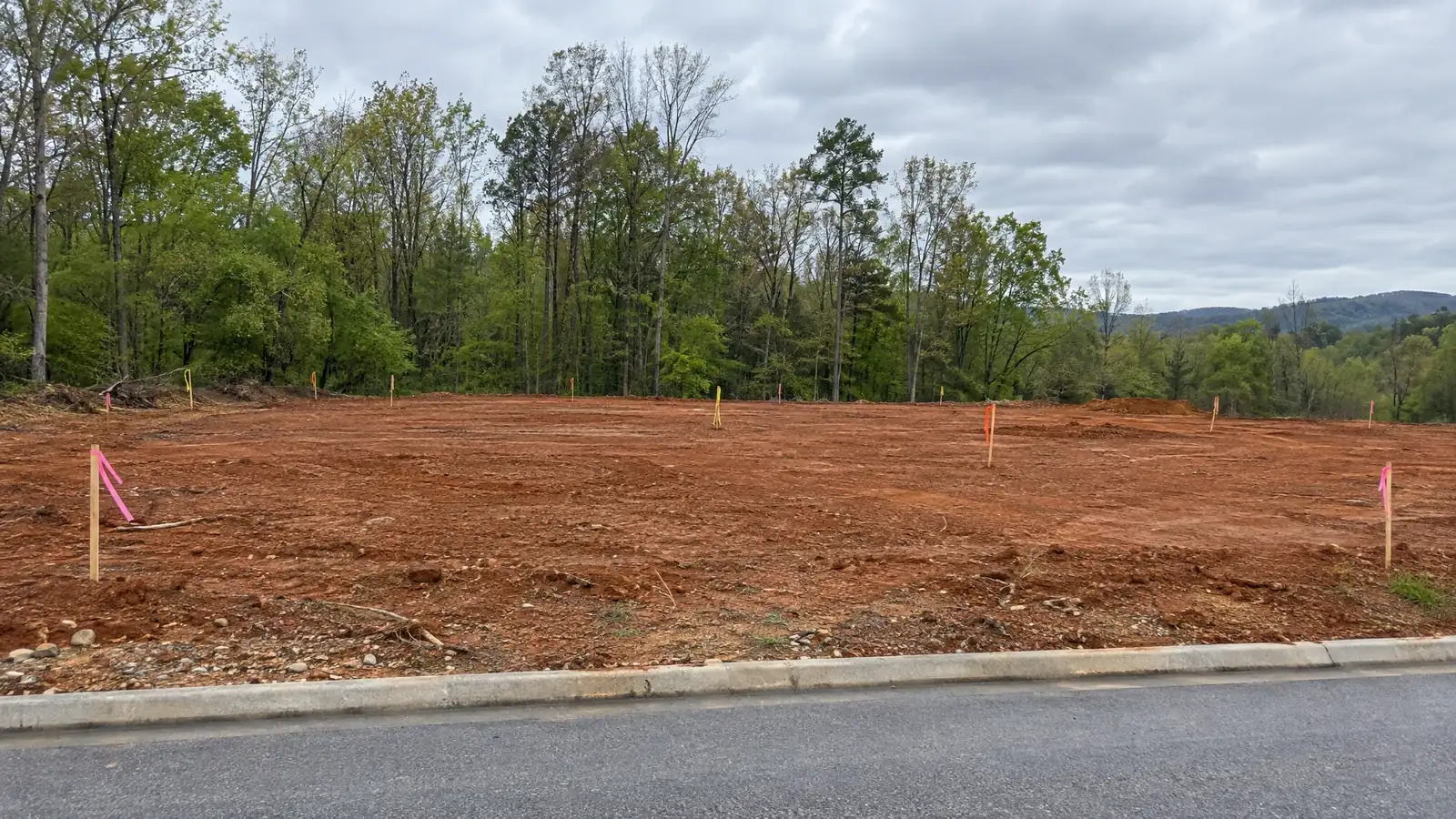 AfterBefore
Open trench to restored yard

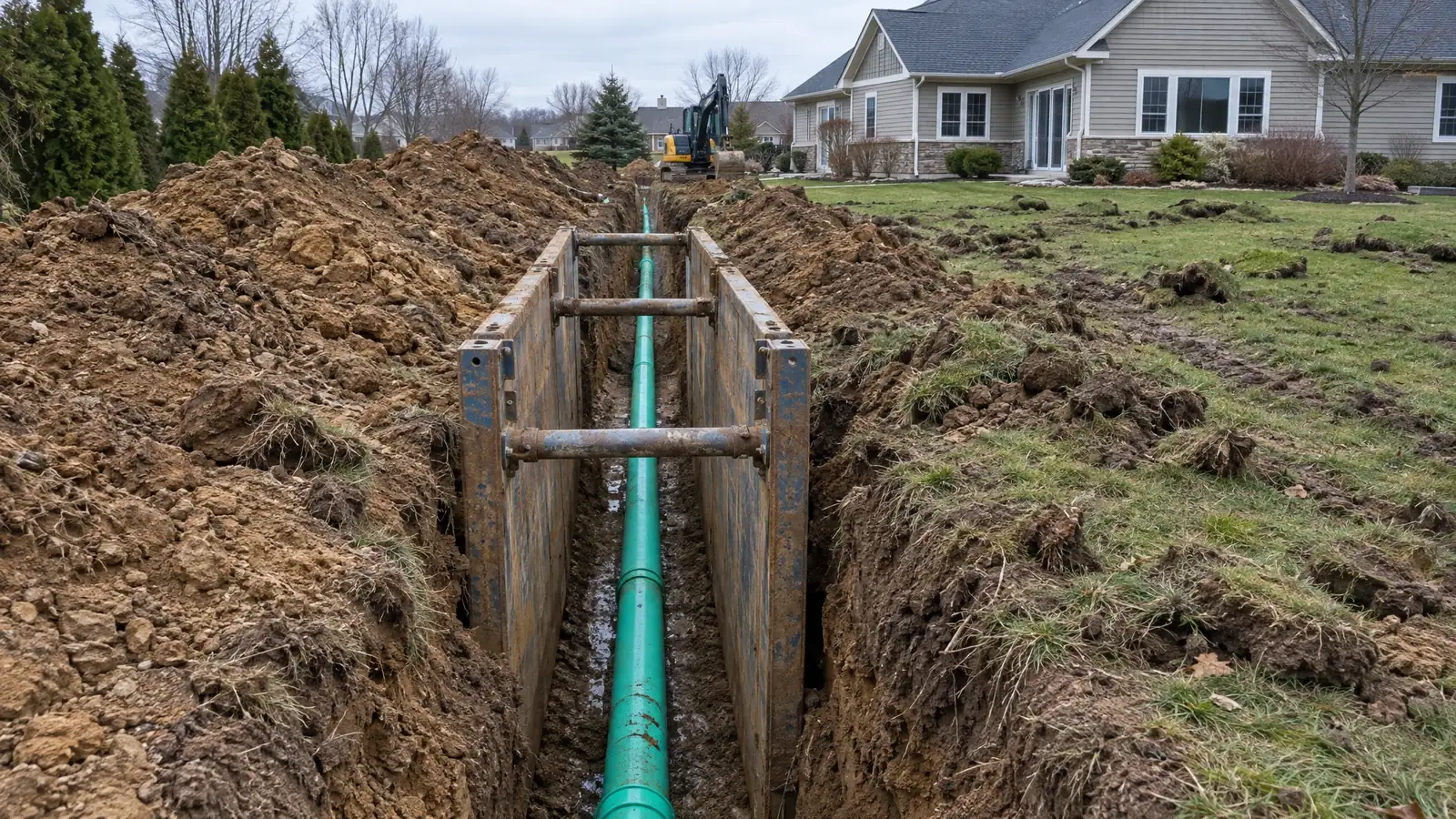 AfterBefore
Cut driveway to clean patch
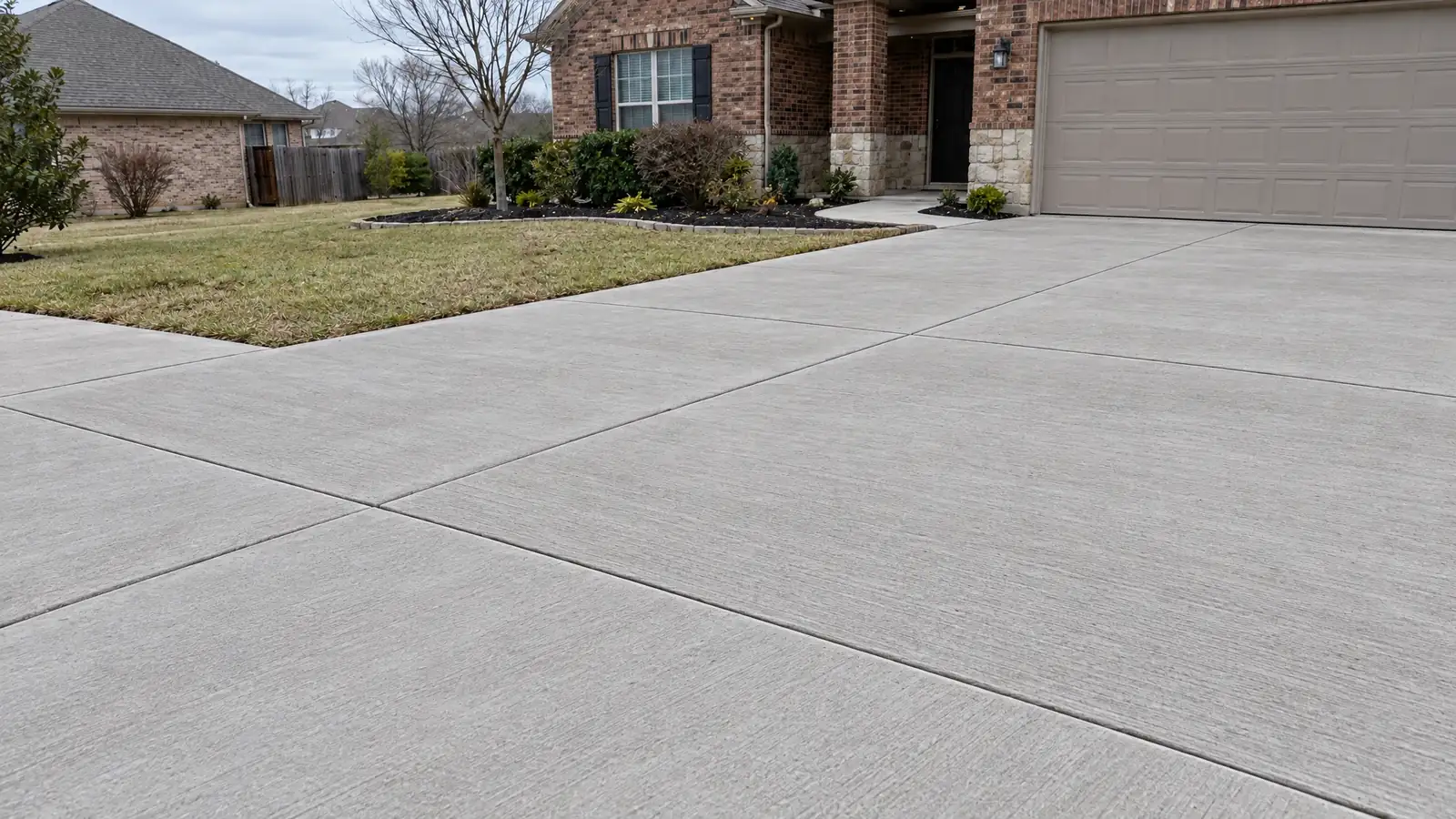
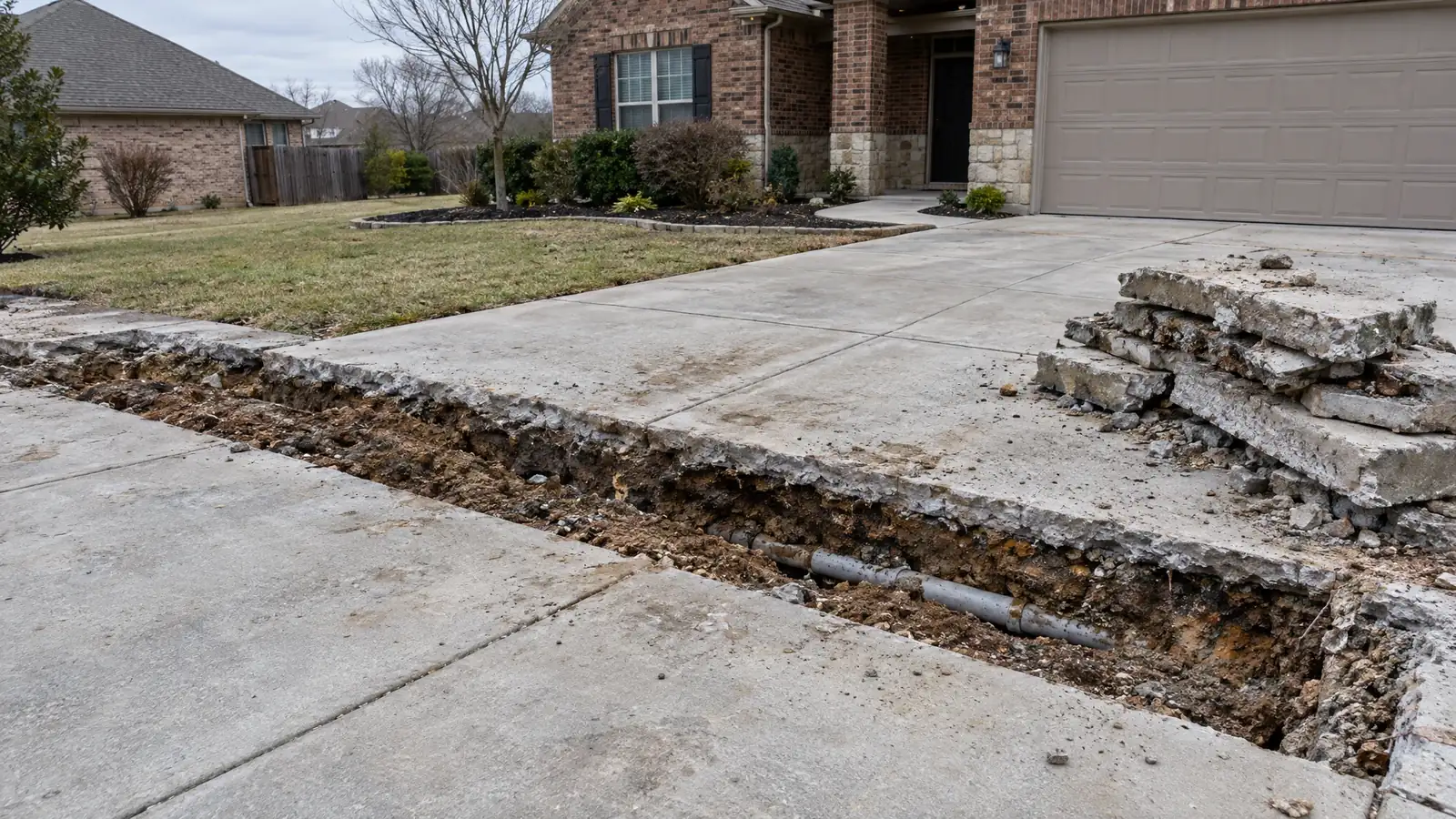 AfterBefore
Soggy yard to dry yard
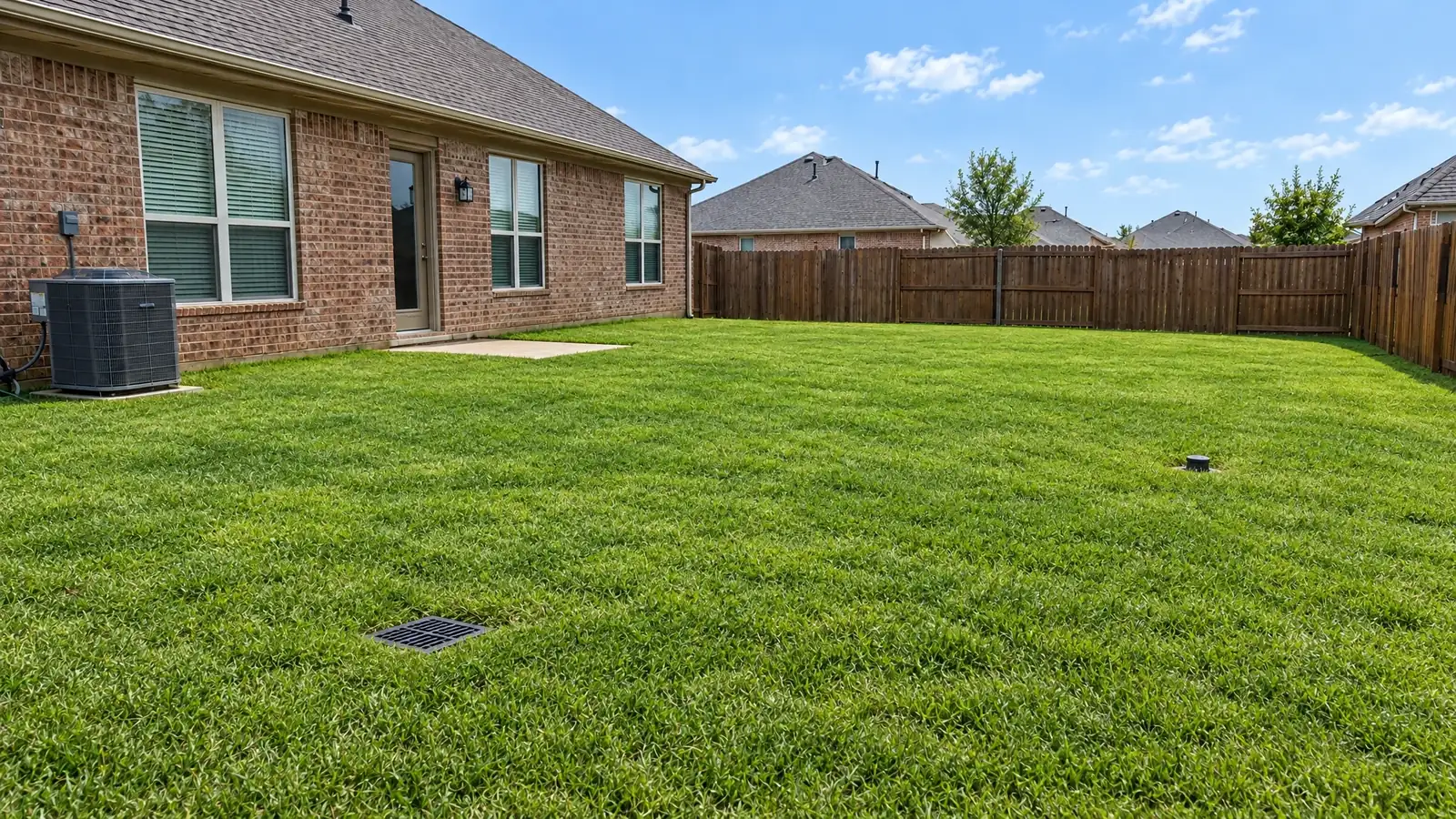
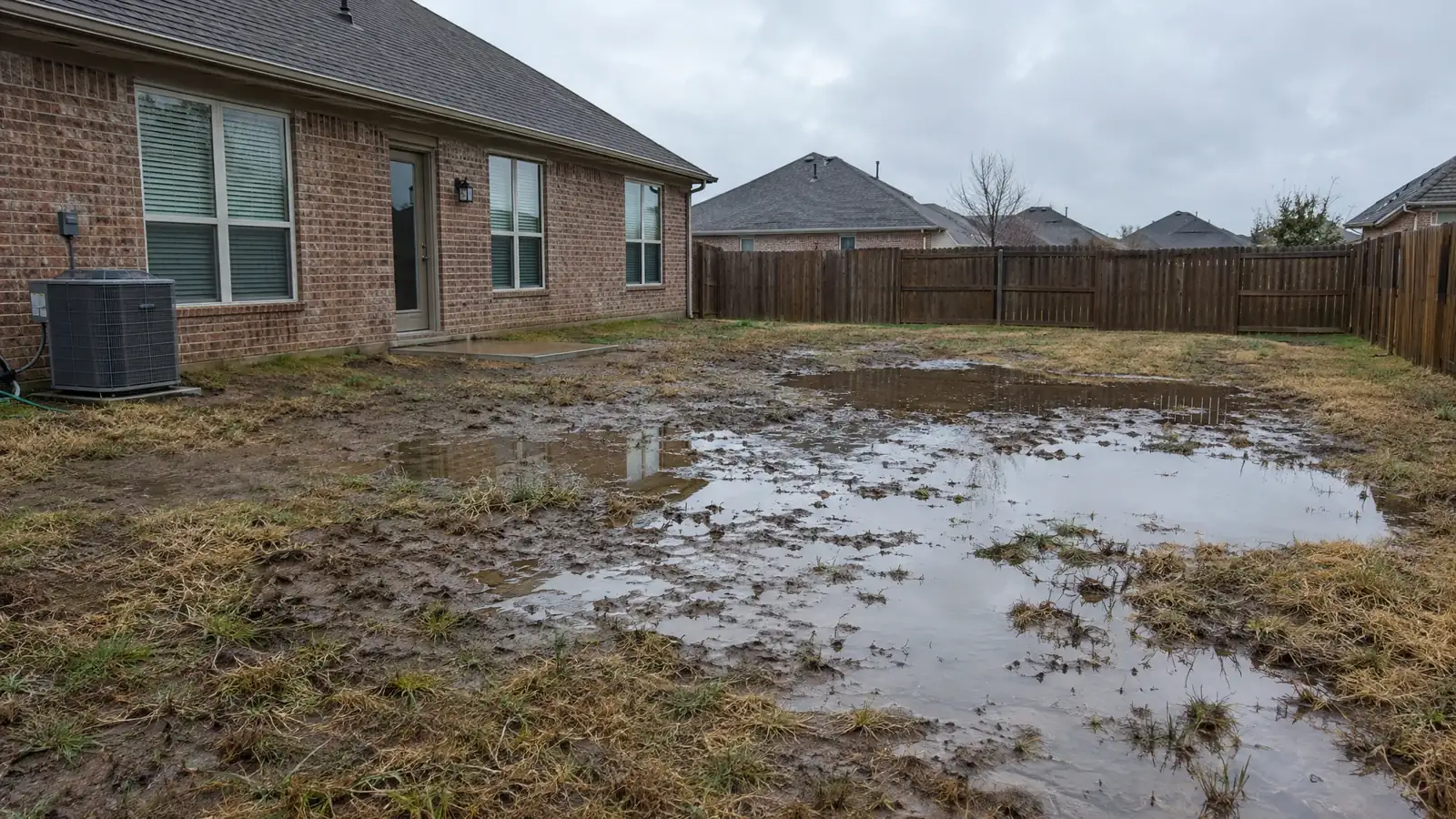 AfterBefore
Failed sewer to restored yard
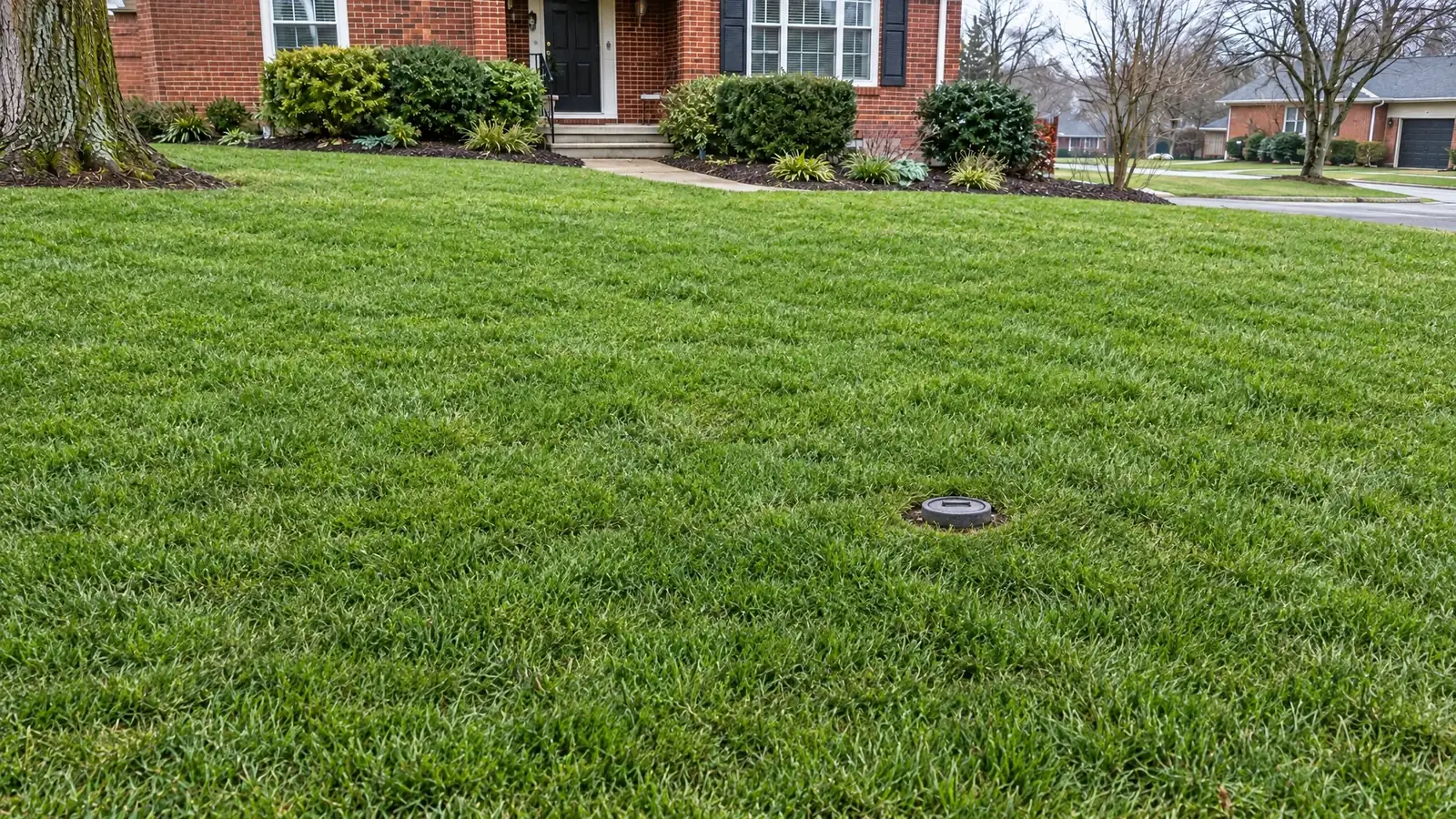
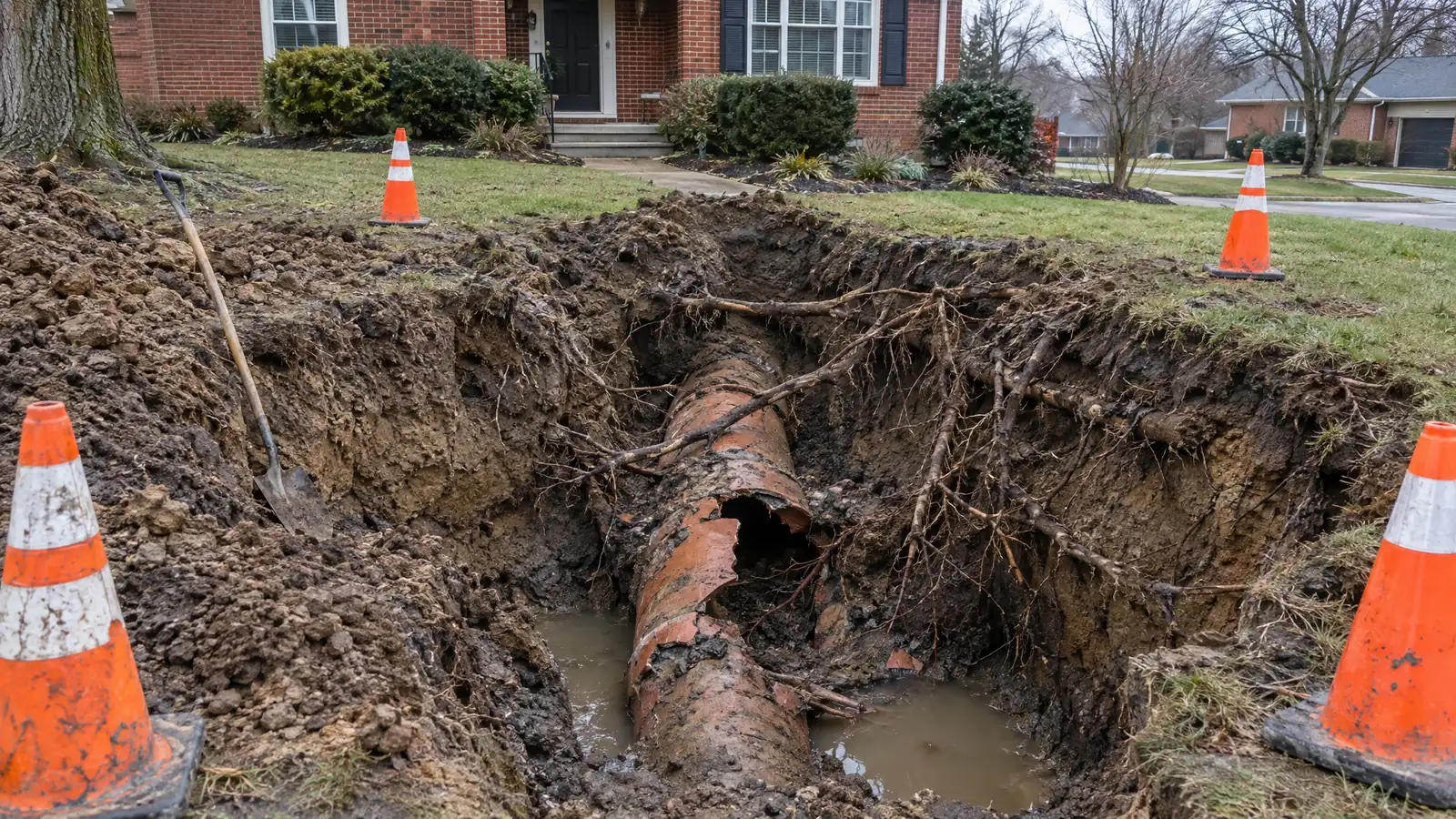 AfterBefore
Overgrown to building pad
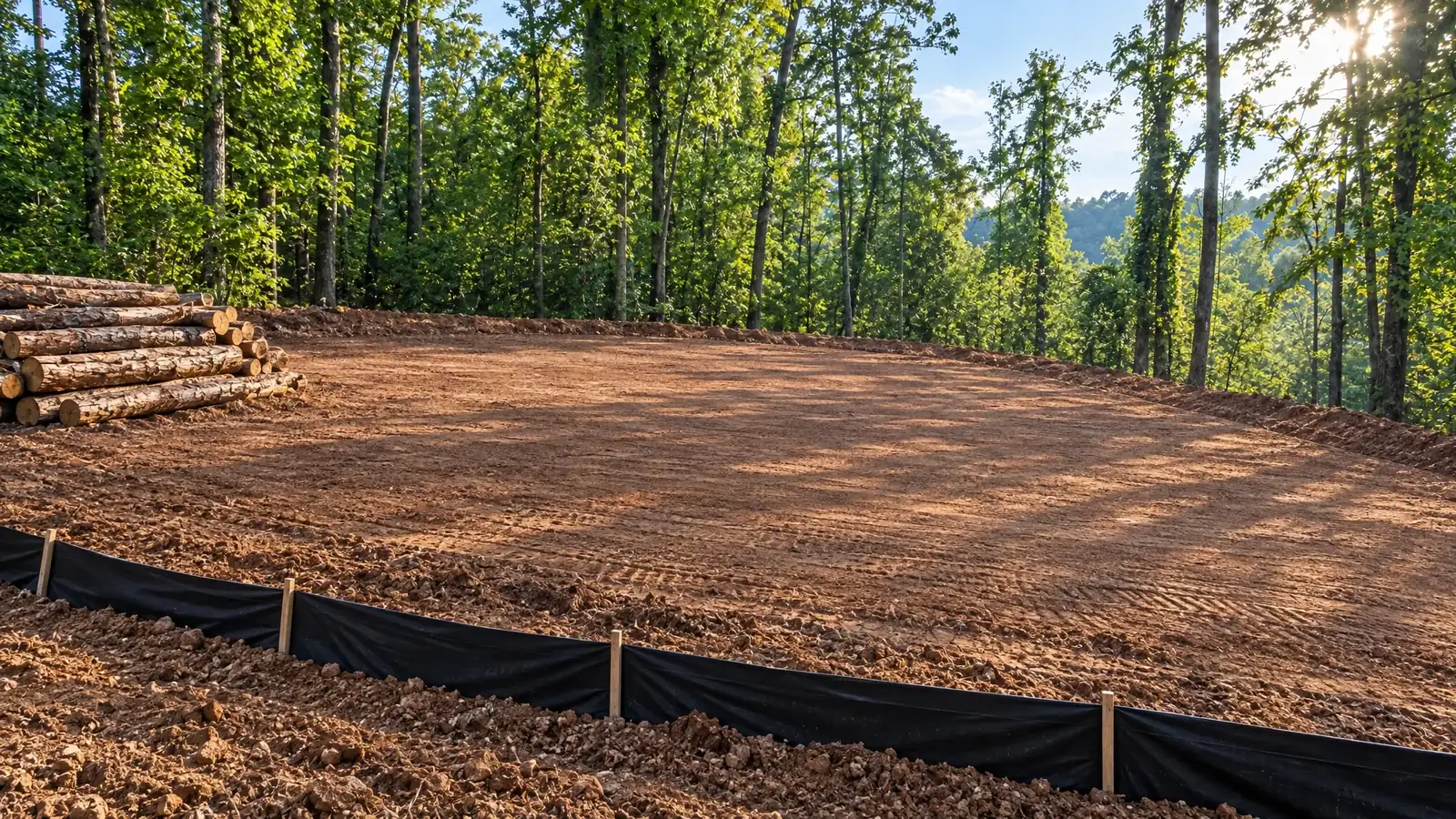
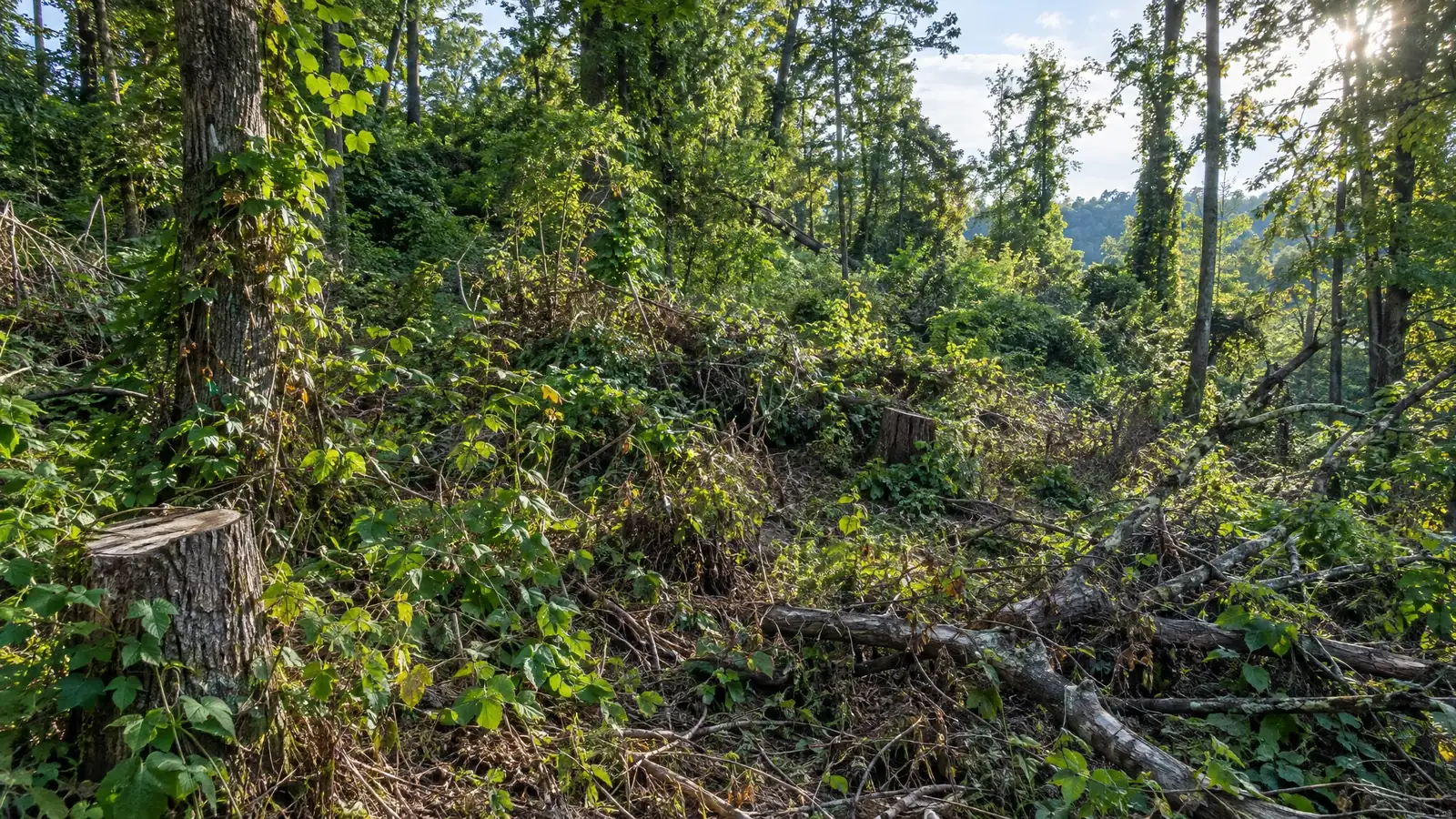 AfterBefore
Road cut to bore crossing
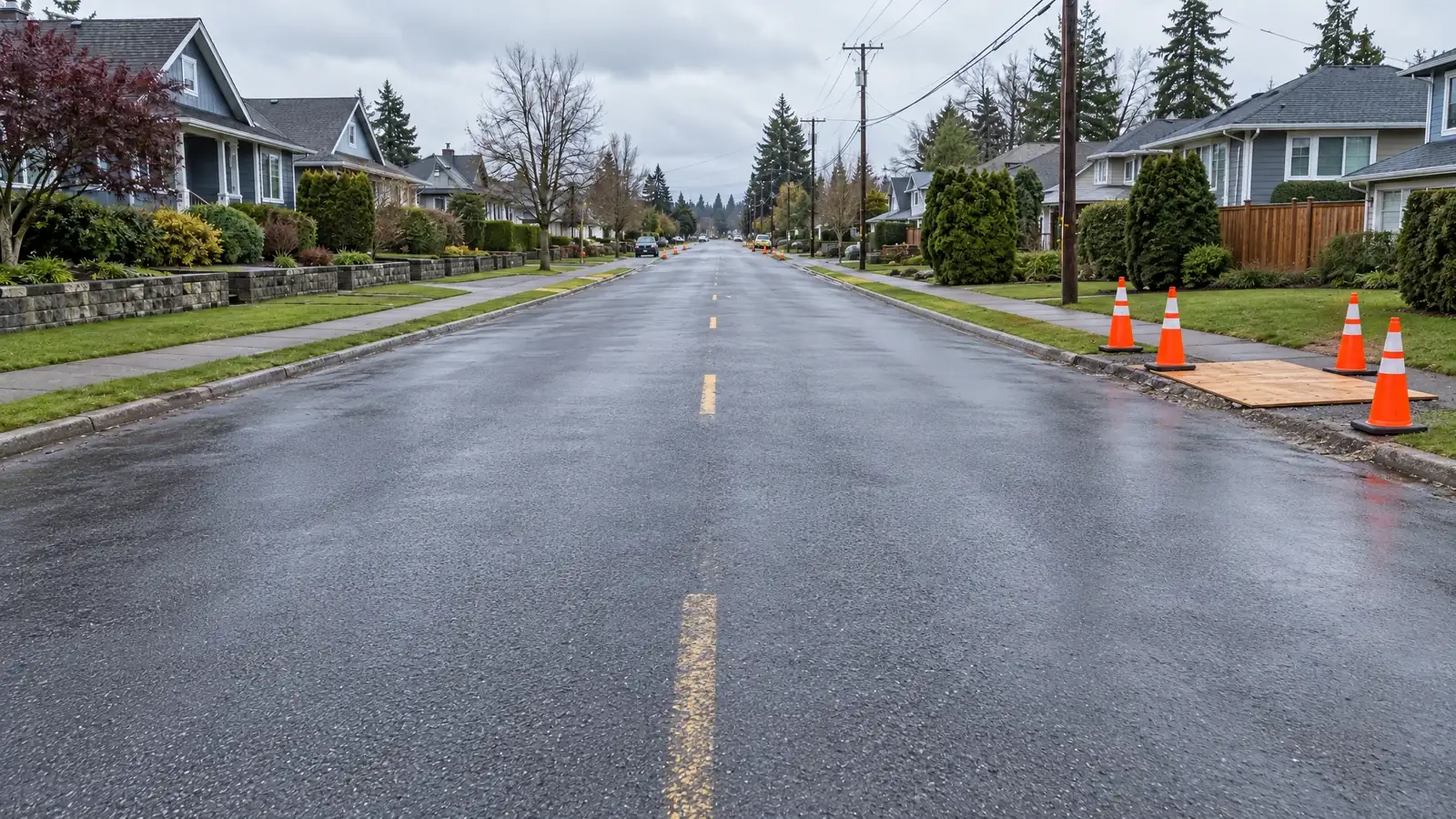
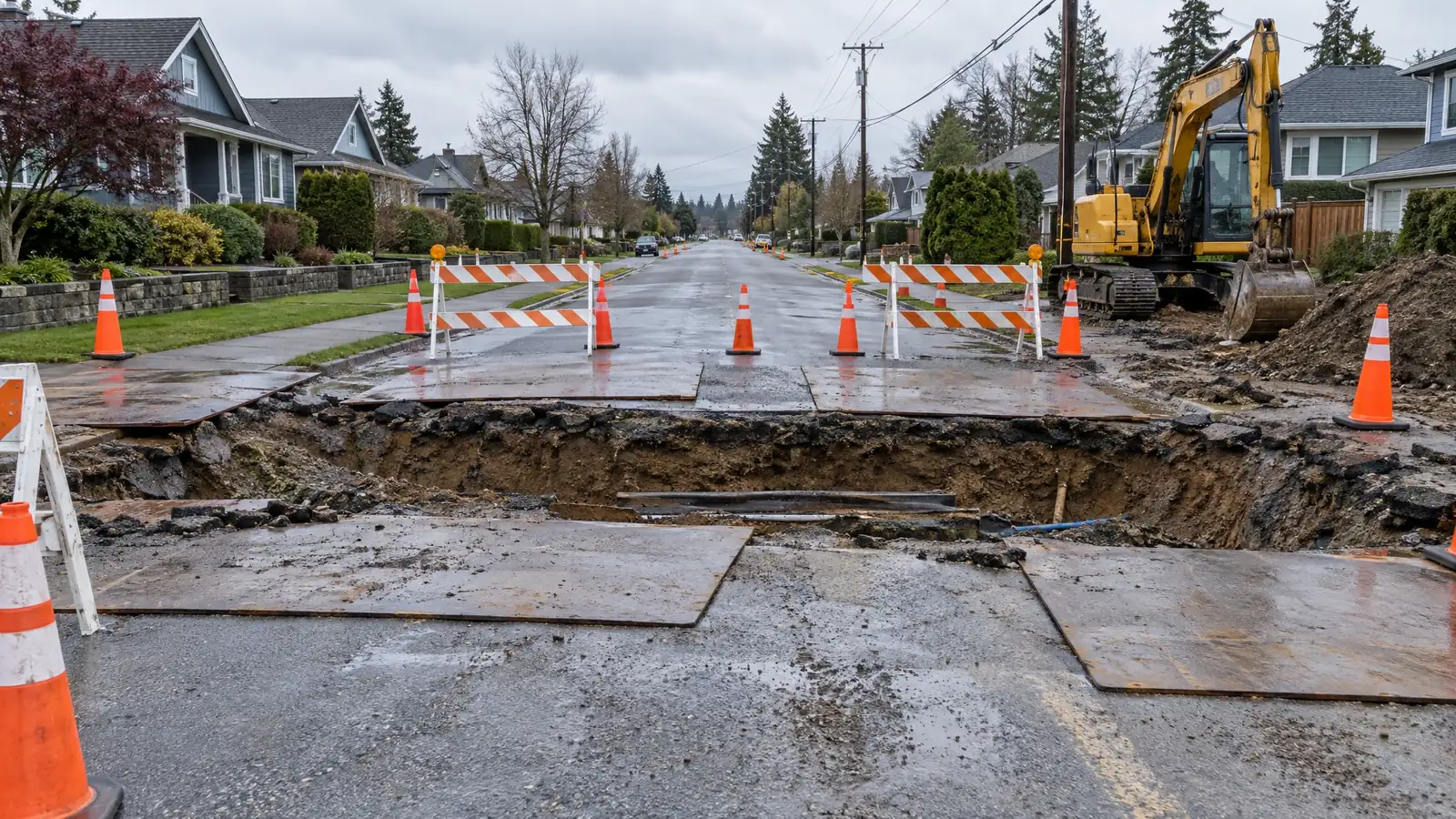 AfterBefore
Wet wall to dry wall
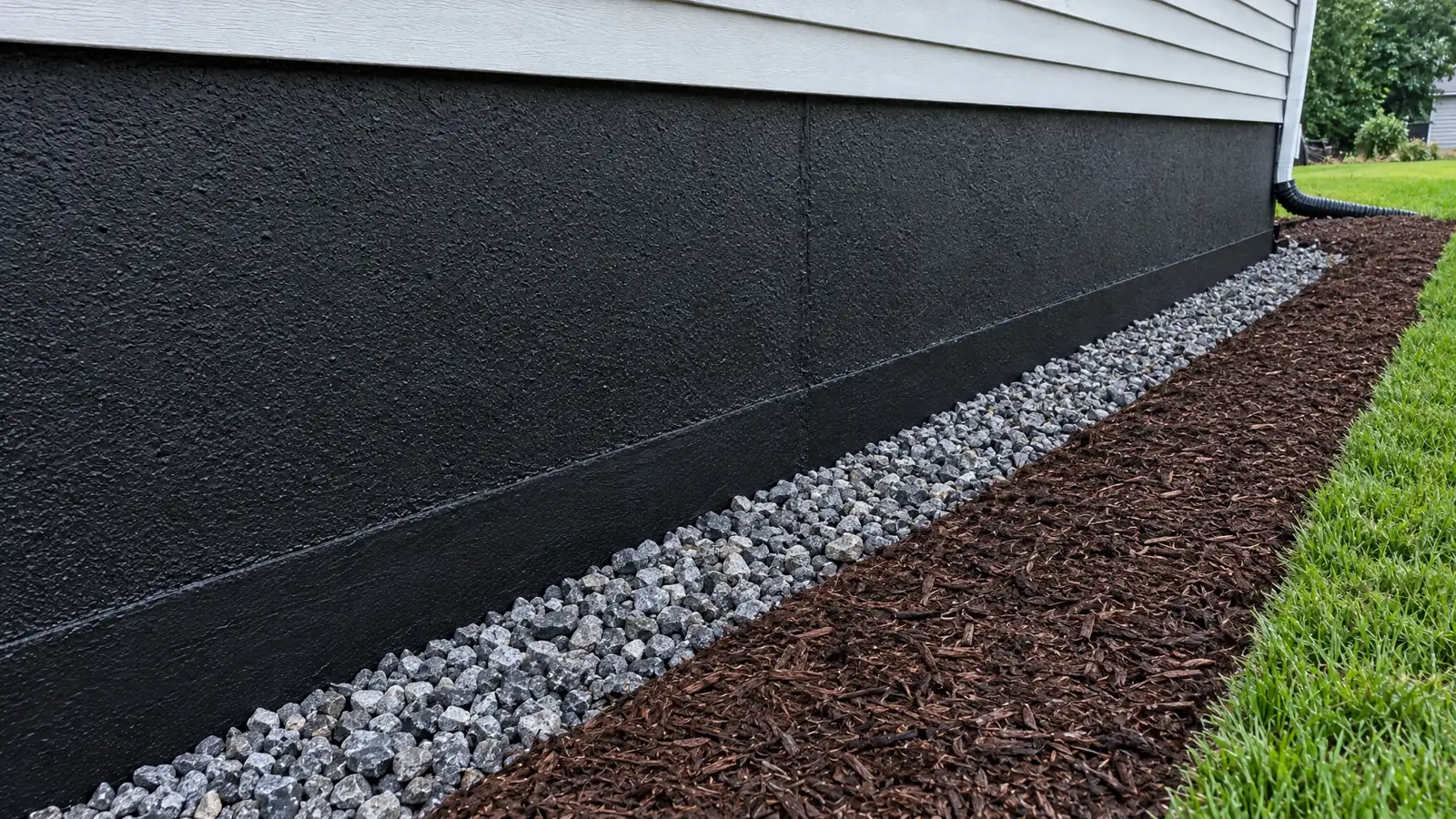
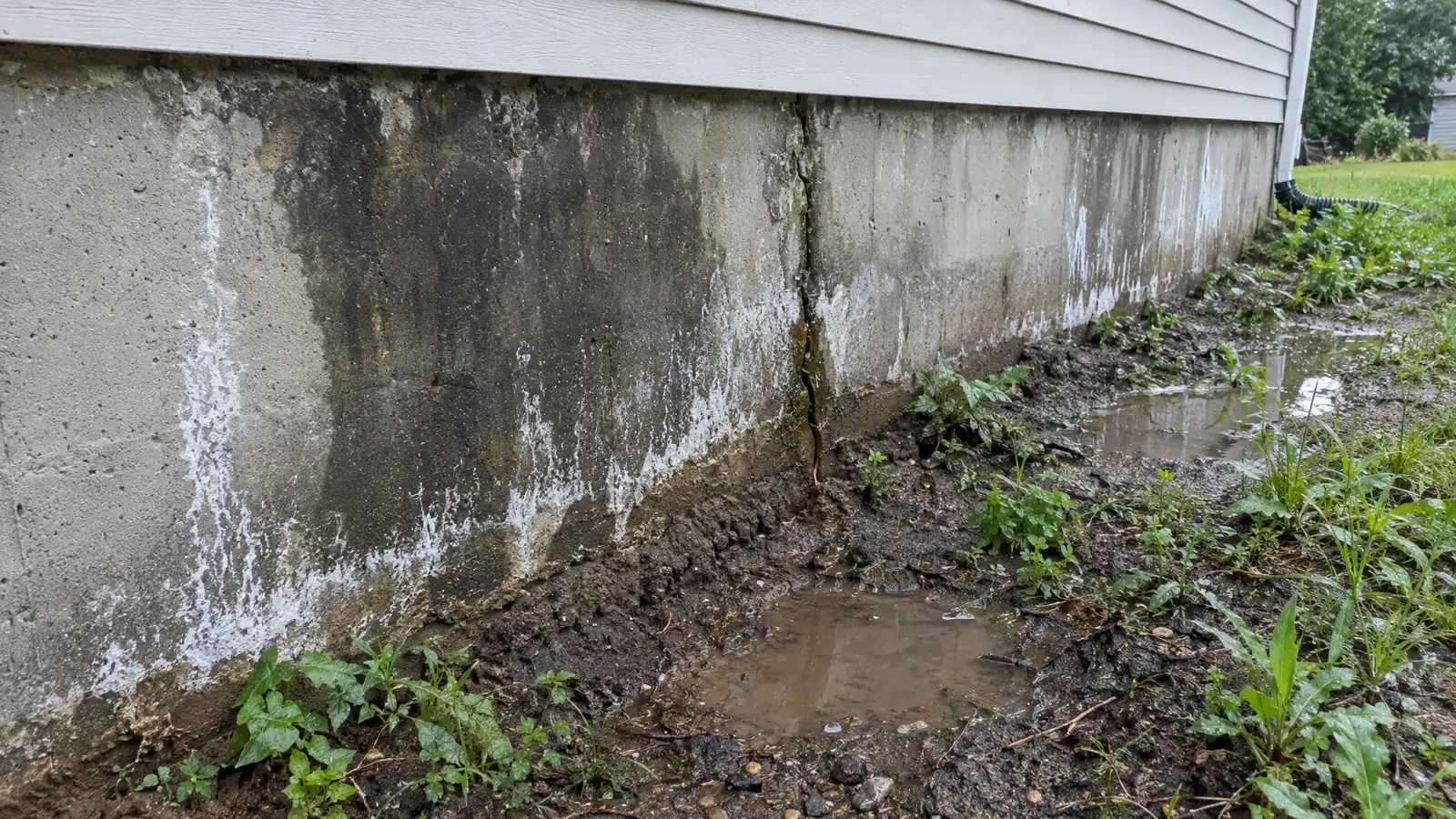 AfterBefore
From the 811 call to the last sod.
The same six steps, whether it is one service line or a whole subdivision.
- 01
Locate
We coordinate the 811 request, walk the marks and find any private lines so we know what is down there before a bucket moves.
- 02
Plan
We agree the route, depth, grade, method, access, permits and restoration, in writing, before work starts.
- 03
Dig or bore
The trench is cut or the bore is drilled, with sloping, shoring or a trench box wherever depth calls for it.
- 04
Lay and connect
Pipe or conduit is set to grade on proper bedding, joined, traced and connected at each end.
- 05
Test and backfill
Lines are tested as the job requires, then backfilled and compacted in lifts so the ground does not sink later.
- 06
Restore
Spoil is hauled or spread, and sod, stone, concrete or asphalt is put back so the property looks like itself.
Plan it before you call.
Eight calculators, checkers and checklists built for people about to dig.
Learn what is under your feet.
Thirty-seven plain-English guides, from 811 to limestone.
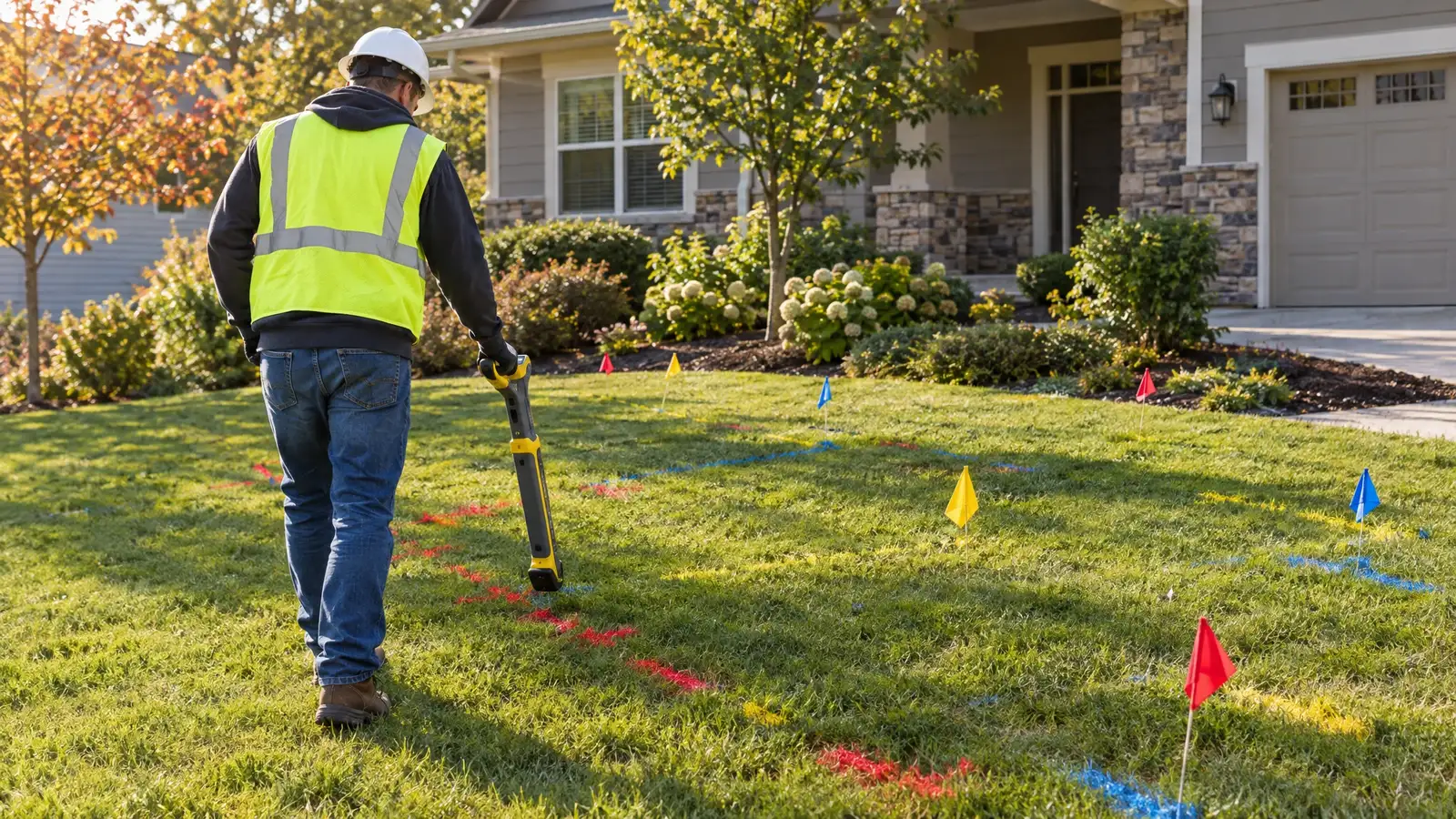 How to Call 811 Before You DigStep by step: what 811 is, when to call, what happens next and how to read the marks.2 min read What Utility Marking Colors MeanThe standard color code for paint and flags: red, yellow, orange, blue, green, purple, pink and white.2 min read
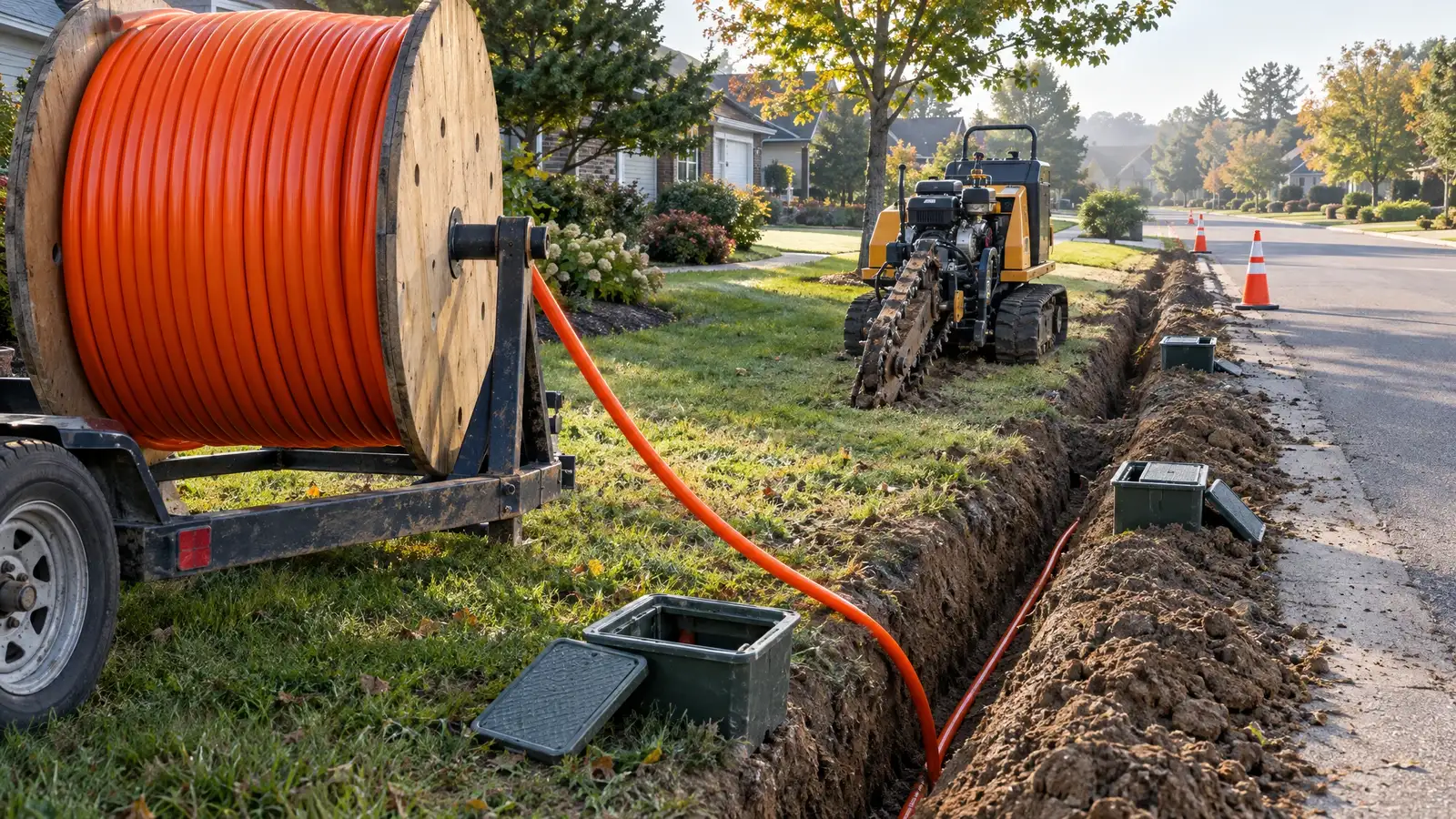 Directional Boring vs Open TrenchWhen boring beats trenching, when trenching wins and how to decide for your route.2 min read How to Plan Utilities for a New Home LotA step-by-step plan for getting water, sewer or septic, power and data to a new lot.2 min read Limestone and Shallow Rock in Middle TennesseeWhy so much of the Nashville area has rock close to the surface and what that means for digging.2 min read
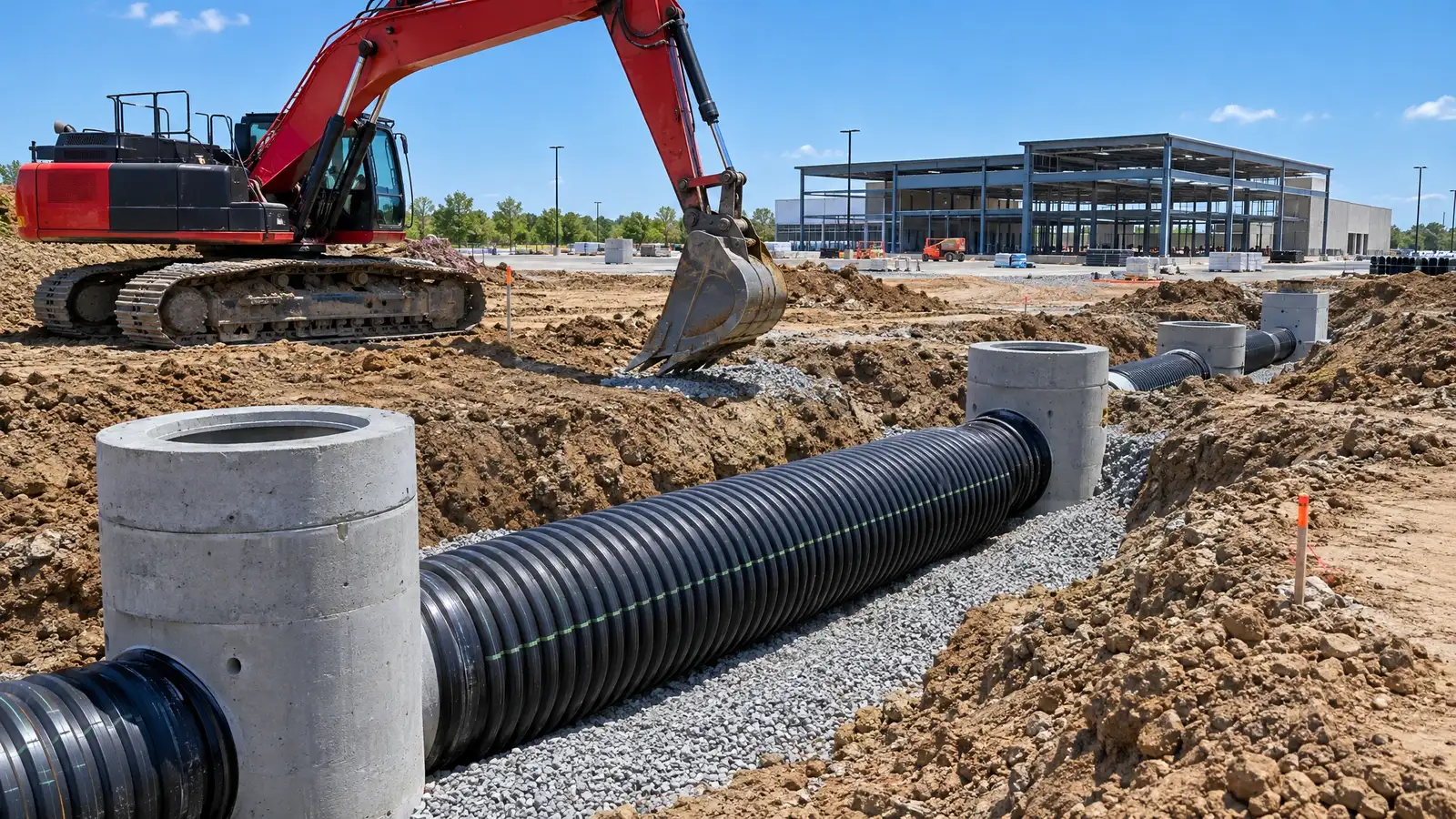 What Affects the Cost of Utility WorkThe factors that move a price up or down, so you can compare bids on equal terms.2 min read
Nashville and 35 more.
A page for every city we serve across Middle Tennessee, each with local ground notes.
Quick answers.
What does an underground utility contractor do?
We install, repair and replace the buried lines that serve a property: water, sewer, storm drains, electrical and communications conduit, and the trenches for gas lines. We also handle the excavation, boring, backfill and restoration around them.
Who calls 811?
Anyone planning to dig should call 811, whether it is a homeowner, a builder or a contractor. We coordinate locates on every job we dig and confirm marks are in place before excavation starts.
Does 811 mark private lines?
No. Utilities mark their own lines. Private lines beyond the meter, such as a water line to a barn or a buried electric feed, are the owner’s responsibility, and we can help locate them.
When is boring better than trenching?
When the route crosses something costly to cut: a road, driveway, patio, creek or mature trees. Open trenching is often simpler over open ground and for gravity pipe that needs exact grade.
How much does a utility line cost to install?
It depends on length, depth, pipe size, rock, access, boring versus trenching and what the route crosses. Our cost planner shows factors with placeholder ranges, and we quote your job after a site visit.
Call 811. Then call us.
Tell us what you are building, fixing or draining and we will suggest a site visit and a plan. The lines get located before the bucket moves.