Manhole and Catch Basin Installation in Nashville, TN
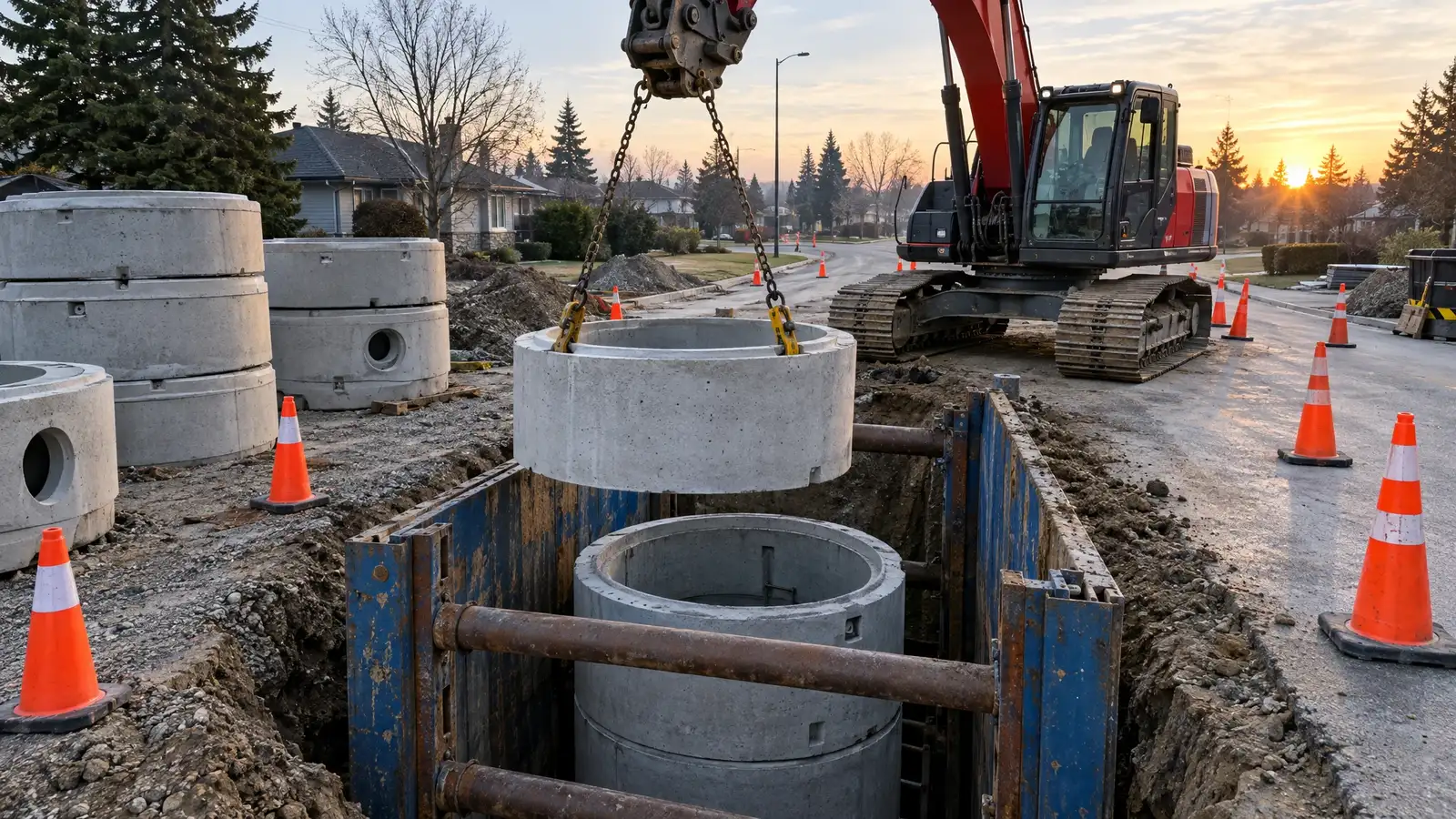
Precast manholes, drop inlets and catch basins set on prepared bases and tied into sewer and storm lines on development and commercial sites.
- Utility Line Installation
- Deep dig, protected
- Middle Tennessee
Manhole and Catch Basin Installation, explained.
Manholes and catch basins are the places where a buried system meets the surface. They let crews inspect and clean sewer and storm lines, they collect runoff at low points, and they let pipes change direction or elevation. A structure that is set crooked or on a soft base will settle, leak or break the pavement above it.
We excavate to the structure depth with proper support, prepare a level compacted base, set precast sections with sealed joints, connect pipes at the specified inverts and bring the casting to final grade. Backfill is placed evenly around the structure so it stays plumb.
Signs this service fits
- A new sewer or storm line needs access points
- A low spot needs a catch basin or drop inlet
- A street or lot is being developed
- An old structure has settled and needs replacement
A good fit, and what to know.
We would rather you hear the limits from us than discover them later.
A good fit when
- The pipe design and inverts are known
- You need structures set and tied in with the pipe work
- The site has machine access for heavy precast sections
Worth knowing
- Heavy precast needs space for a crane or large excavator
- Work on public systems follows the owner’s approval and inspection
Why do it this way.
Plumb and level
Structures set true do not tilt or settle.
Correct inverts
Pipe elevations match the design so flow works.
Sealed joints
Joint sealant keeps groundwater and soil out.
Clean finish at grade
Frames and covers are set flush with the pavement or lawn.
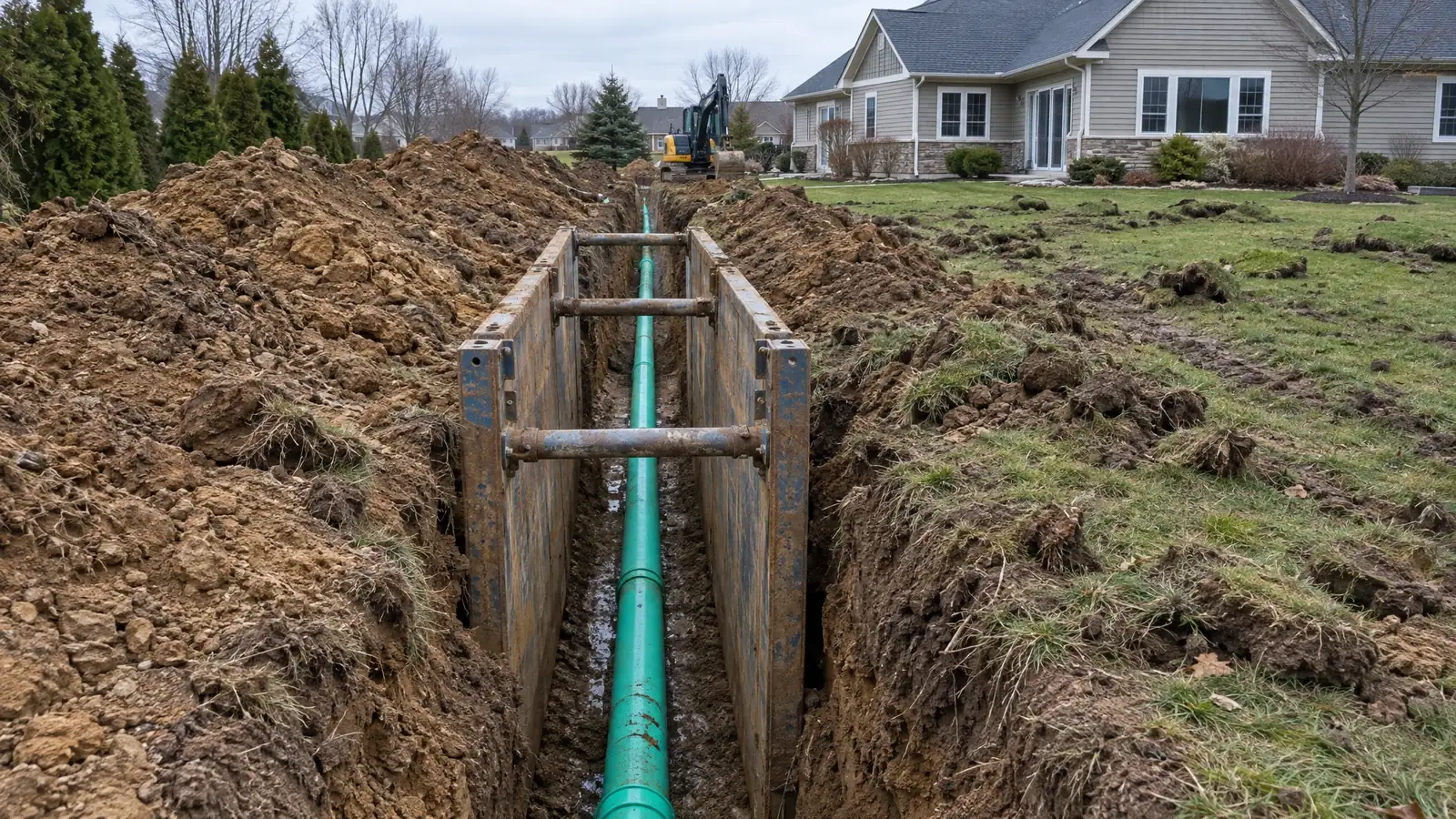
Before and after: open trench to restored yard

 AfterBefore
Illustrative scene created to show a typical condition before and after the work. Drag the handle to slide between them.
From first look to finished ground.
A clear sequence for every job.
- 01
Excavate and support
The excavation is cut with sloping or shoring appropriate to depth.
- 02
Prepare the base
A level, compacted stone base is placed and checked for elevation.
- 03
Set and seal
Precast sections are set plumb with sealed joints and pipe connections at the correct inverts.
- 04
Backfill and finish
Backfill is placed evenly, the casting is set to grade and the surface is restored.
Services that go together.
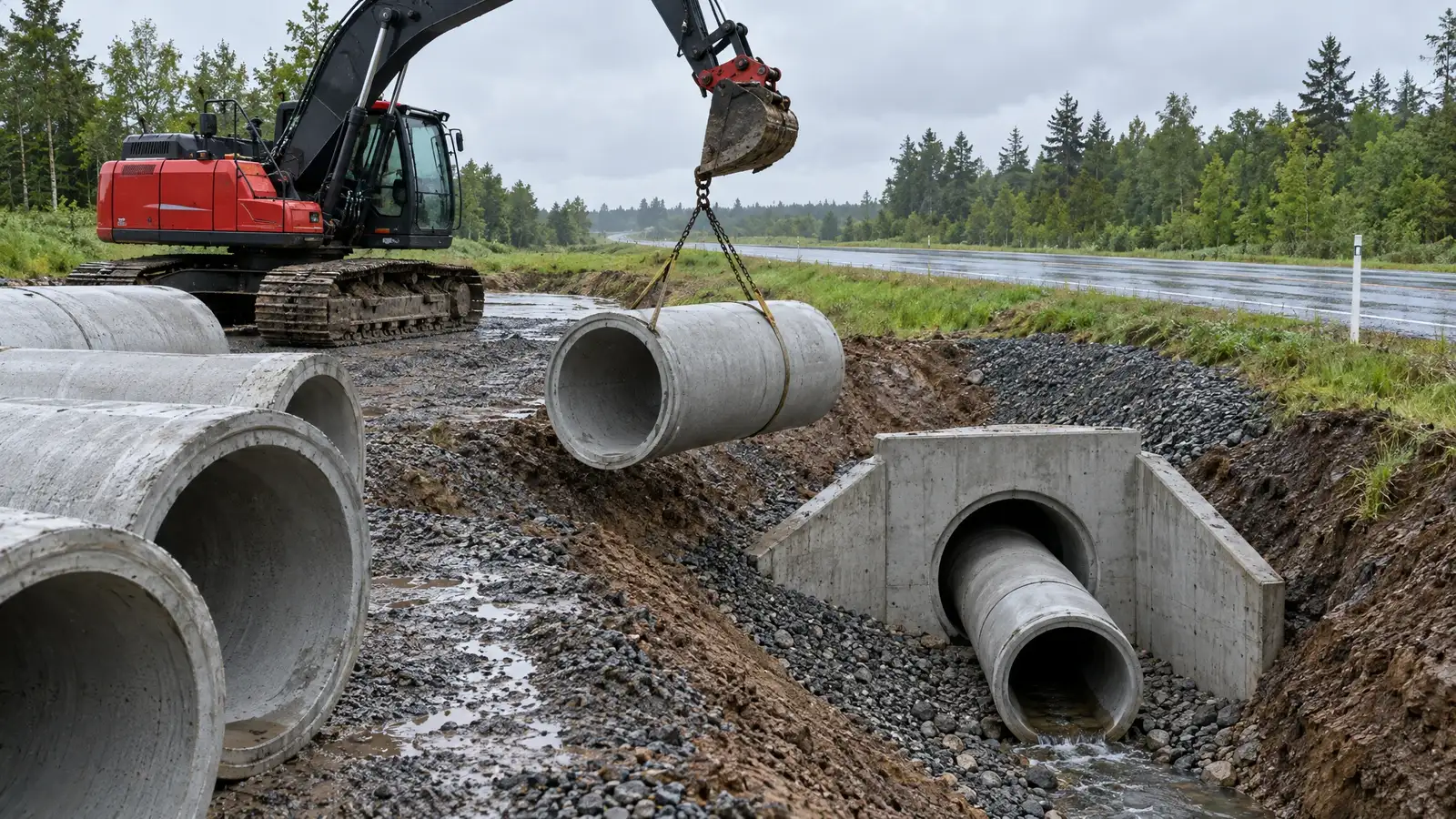 A-04Utility LinesStorm Drains & CulvertsStorm pipe, driveway culverts, headwalls and inlets installed to carry rain and runoff away from buildings, roads and low spots.Deep excavation
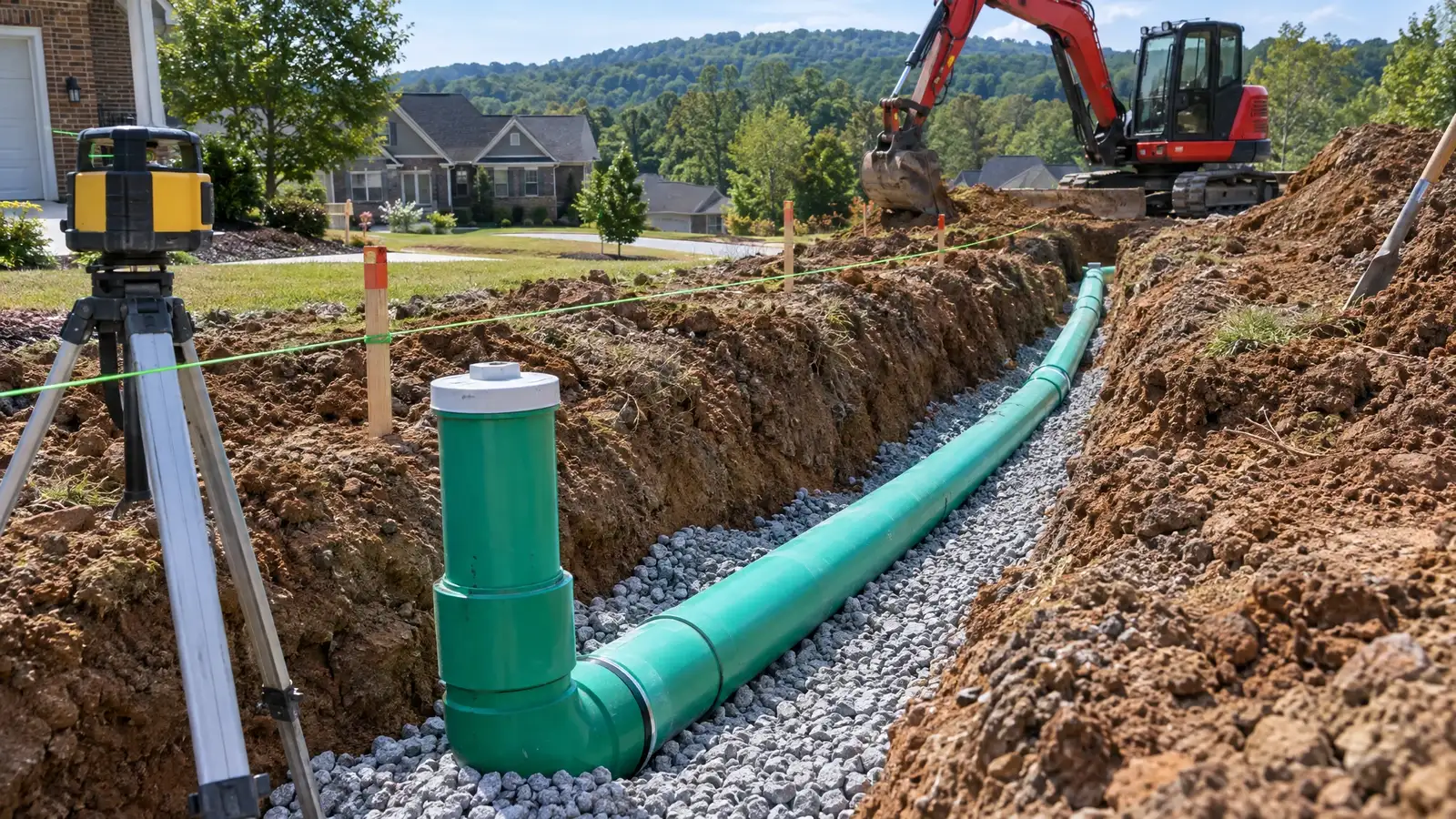 A-03Utility LinesSewer LinesNew private sewer mains and building laterals set to a laser-checked grade, bedded in stone and connected to the public sewer or a septic…Shallow trench
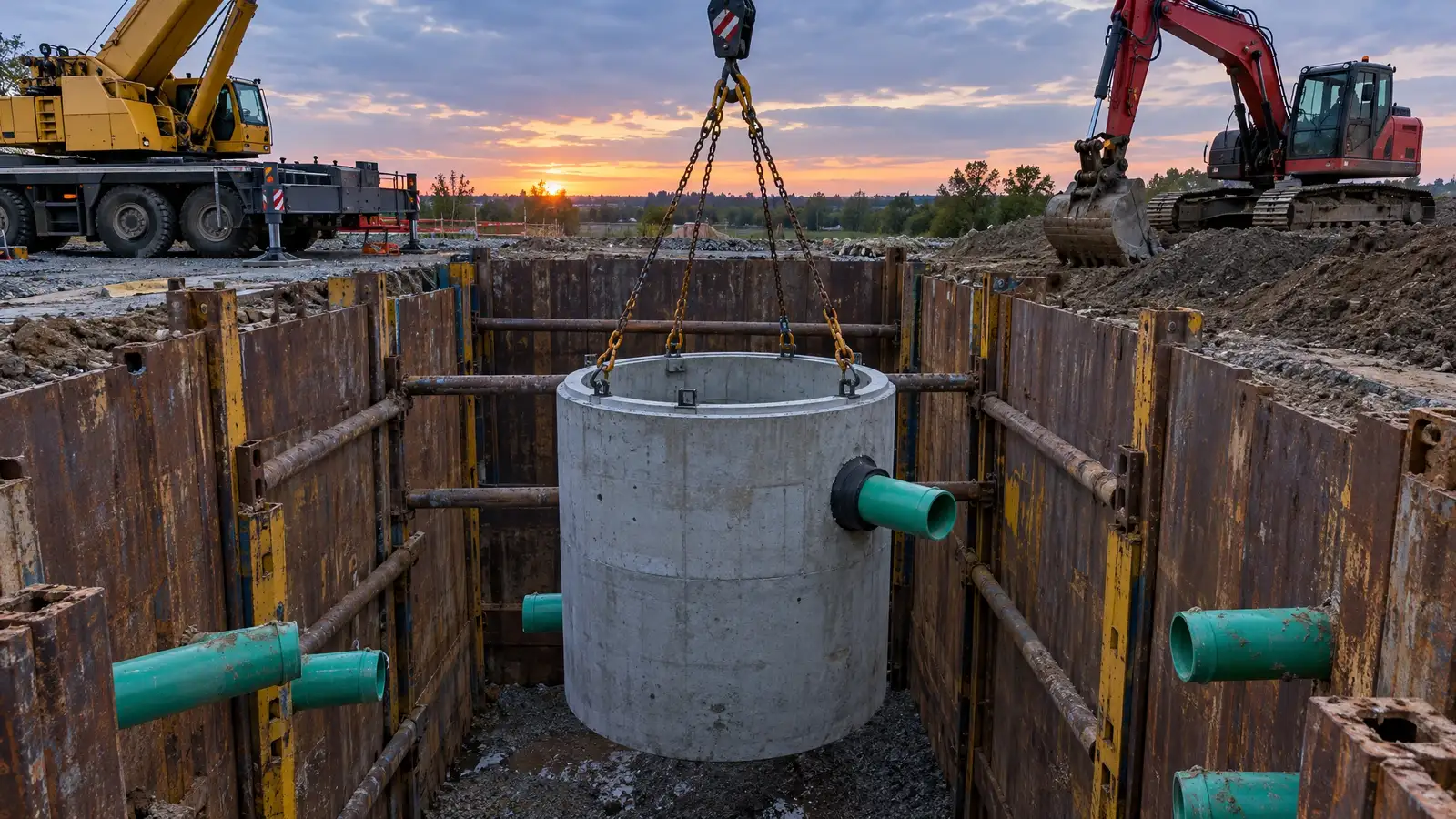 A-09Utility LinesForce Mains & Lift StationsDeep excavation, wet well setting and pressure sewer pipe installation for pump stations and force mains on developments and private sites.Deep excavation
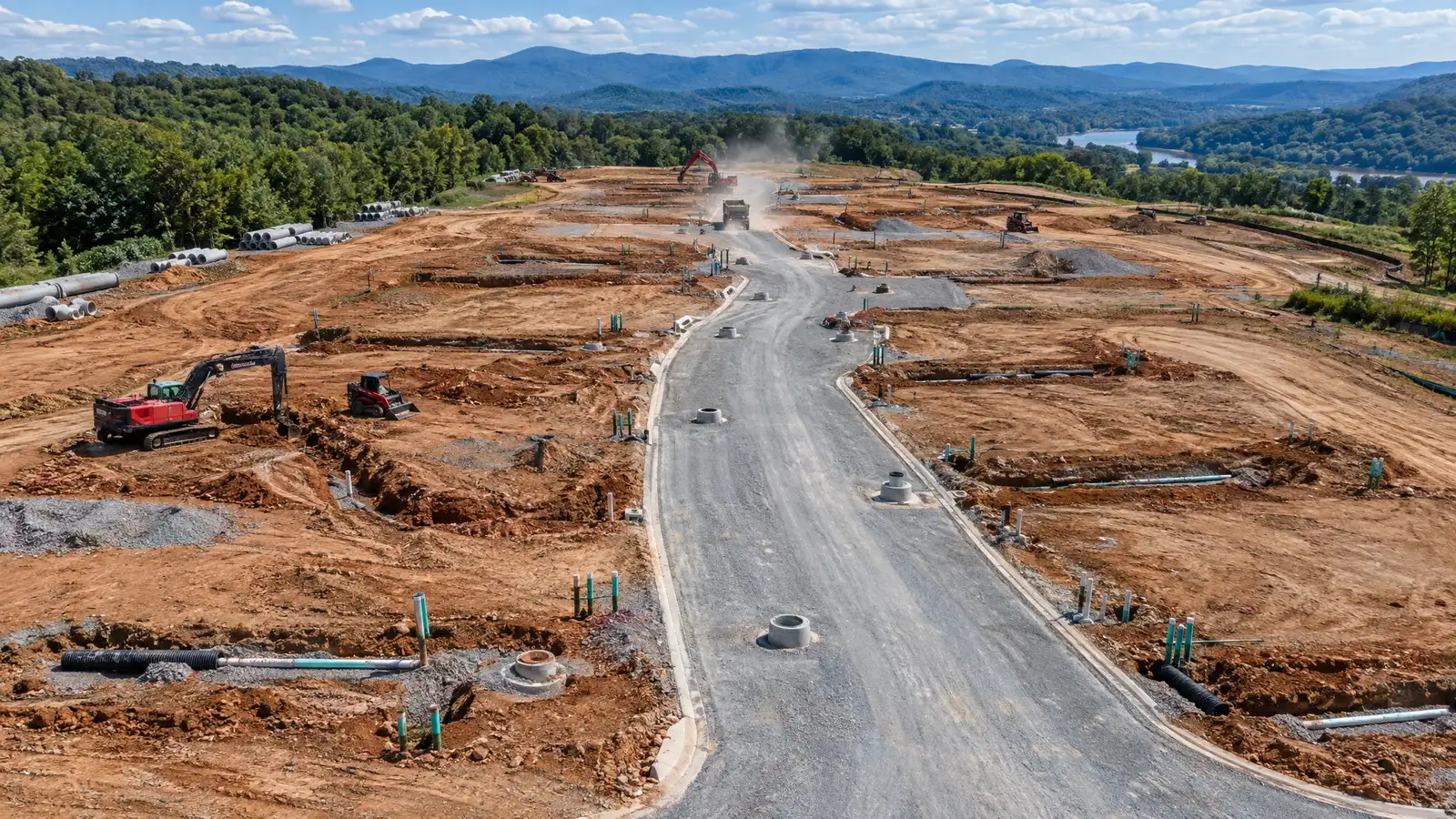 E-03ProjectsSubdivision UtilitiesUnderground sewer, water, storm, conduit and street-base work for residential subdivisions, built lot by lot and street by street.Deep excavation
Read more on this topic.
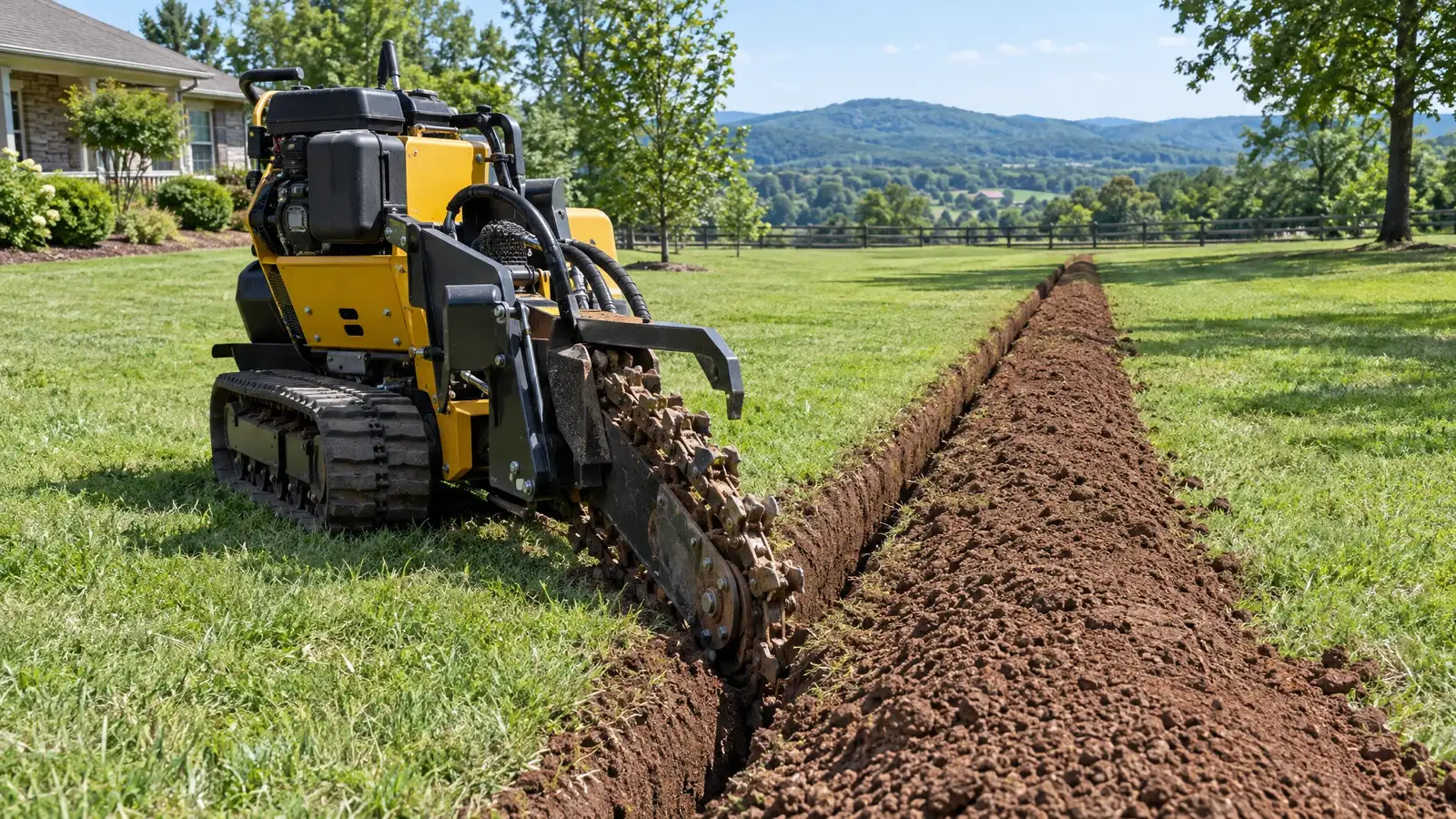 The Anatomy of a Utility TrenchWhat goes into a well-built trench, layer by layer, and why each layer matters.2 min read
 Compaction and Settling After BackfillWhy backfilled areas sink, and how compaction in lifts prevents it.2 min read How Underground Utilities Are Laid OutWhere the water, sewer, storm, power and data lines usually run, and why the layout is rarely a straight line.2 min read
Manholes & Catch Basins FAQ.
How deep can a manhole go?
Depth is set by the design and the pipe elevations. Deeper structures need shoring and larger equipment, which is part of the plan.
Can you add a manhole to an existing line?
Sometimes. It means cutting into the line and managing flow during the work, and it needs the owner’s or utility’s approval.
Why do some manhole covers sink below the pavement?
Often a soft base, poor compaction or frost and traffic loads. Setting the base and backfill correctly is the main prevention.
Manholes & Catch Basins across Middle Tennessee.
Pick your city for its page.
Call 811. Then call us.
Tell us what you are building, fixing or draining and we will suggest a site visit and a plan. The lines get located before the bucket moves.