The short version
- Stop work and move people away
- Call 911 for gas, electrical or fire hazards, then call the utility
- Do not try to repair or bury a damaged line
- Document what happened for the owner and the utility
First, safety
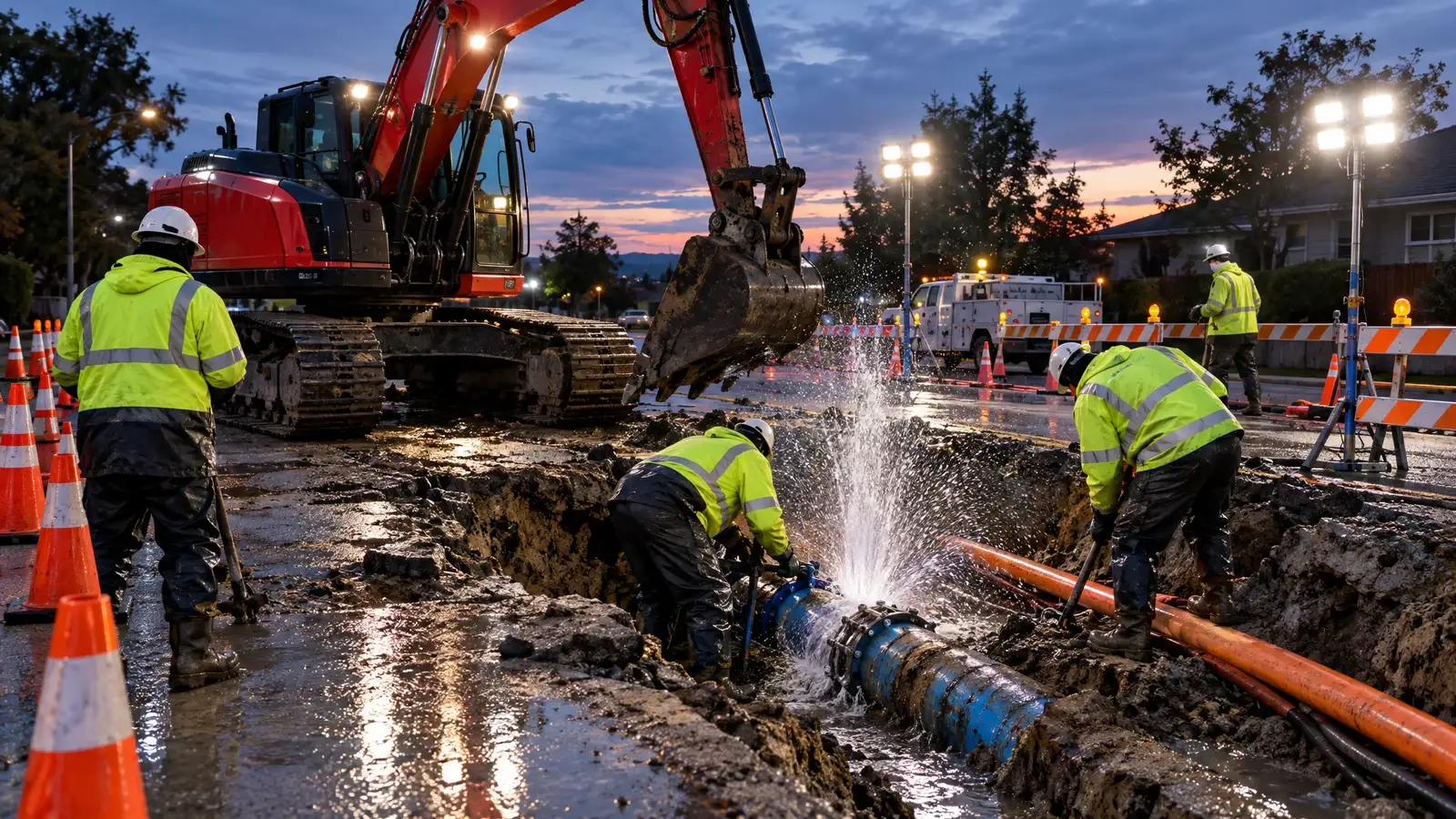
If a line is hit, stop the machine, shut it off if it is safe to do so and move everyone away. A struck gas line can leak and ignite, a struck electric line can energize the equipment and the ground and a struck water line can flood a trench or undermine a road.
Do not try to fix, cover or hide the damage.
Who to call
For gas smell, hissing sounds, electrical sparks or any danger of fire or injury, call 911 first and then the utility’s emergency number. For a water or sewer line, call the owner and shut the valve if you can find it. For communications, call the provider.
Also notify the one-call center if required by your state.
Repair and responsibility
Utility-owned lines are repaired by the owner or its contractors. Private lines are repaired by the owner or a contractor. Who pays depends on who caused the damage and whether locates were requested and followed.
Document the scene with photos and notes, and talk to your insurer.
Preventing a repeat
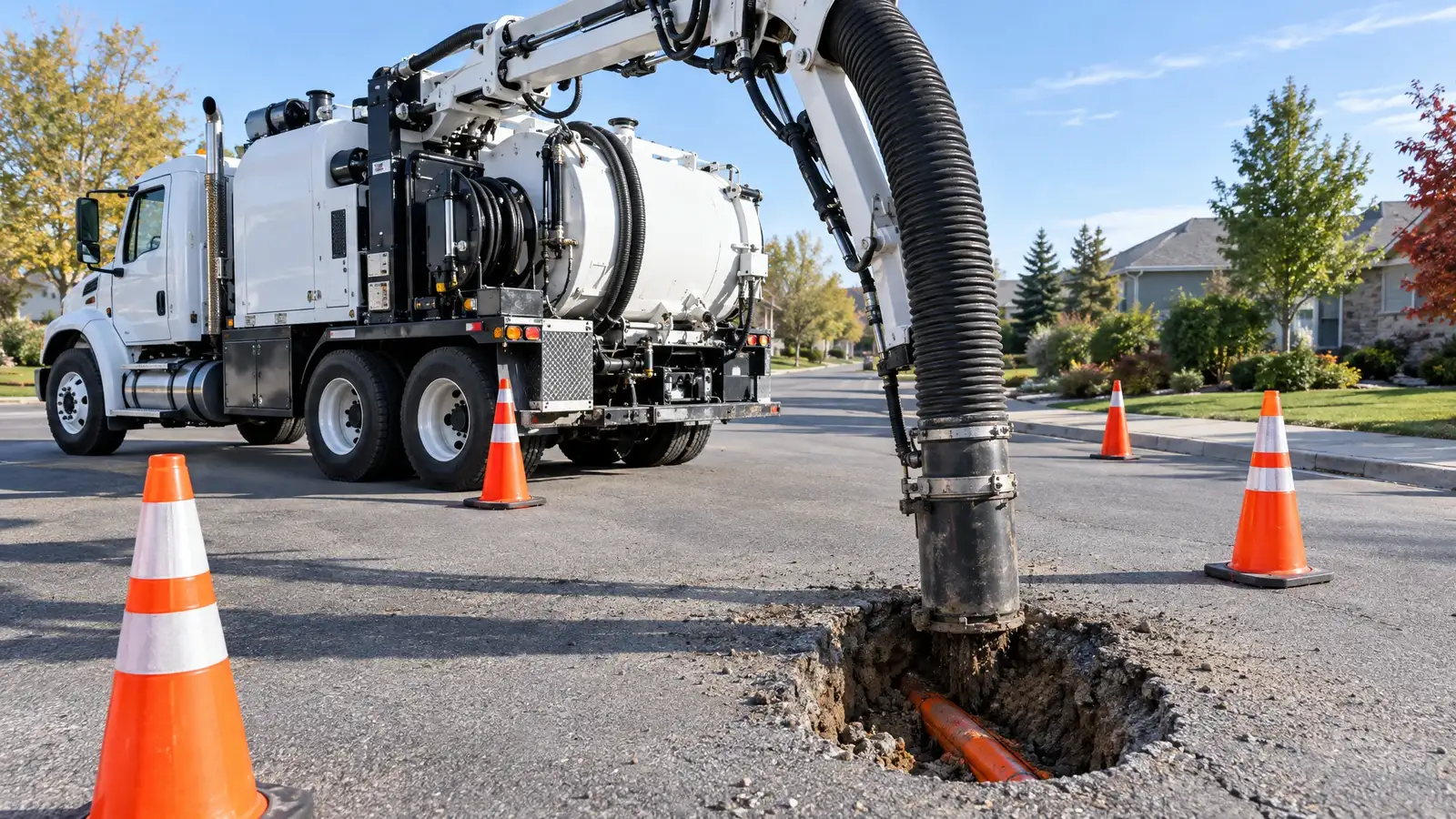
Most strikes can be avoided with locates, marked lines, careful hand or vacuum digging near lines and a plan that expects surprises. Potholing before boring or trenching near critical lines is common practice.
It is cheaper and far safer than a strike.
General information, not engineering, legal or safety advice. Rules and requirements vary by utility, city and county.