The short version
- Find out which utilities are available at the lot line
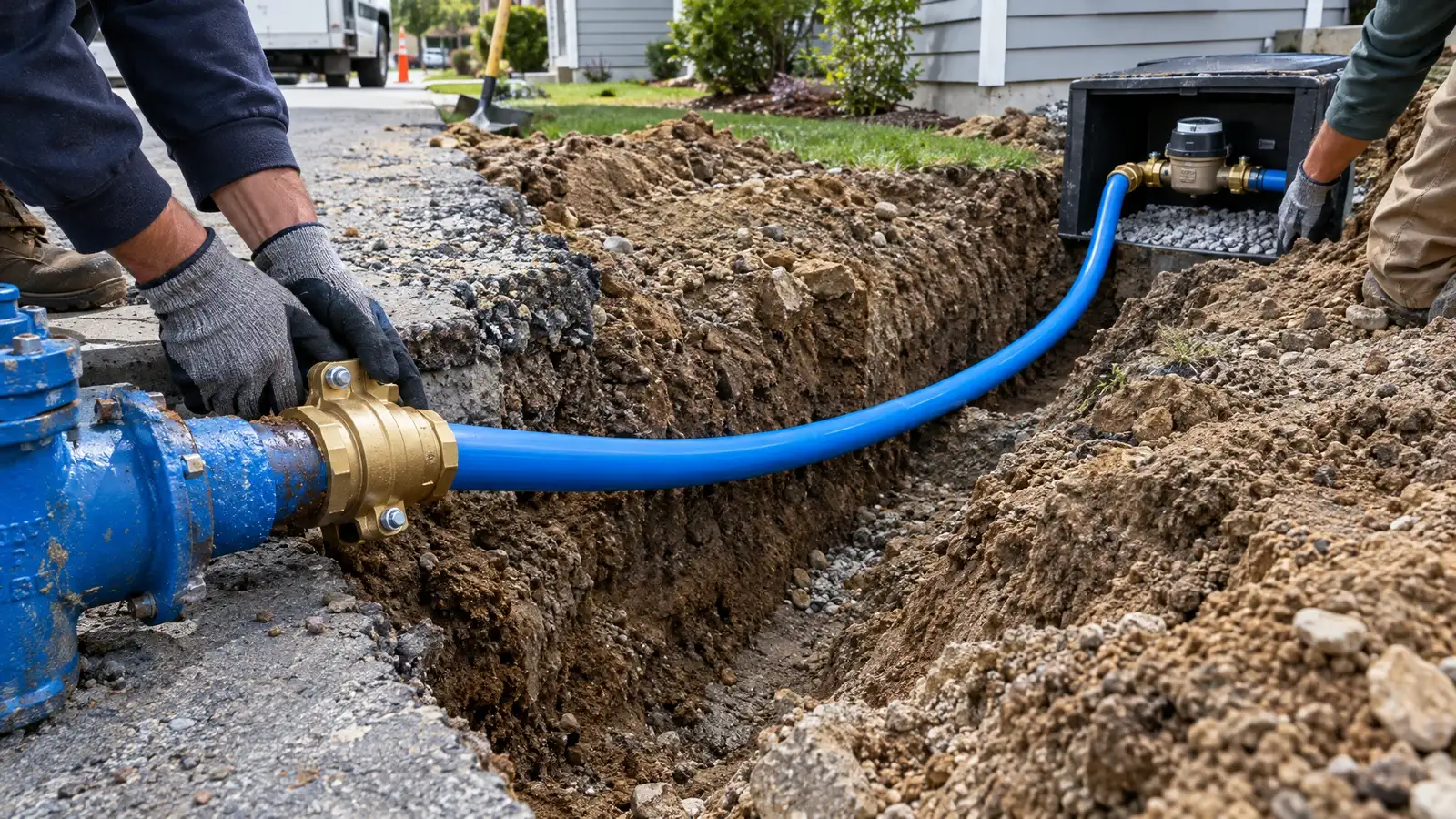
- Locate tap points and the cost to connect
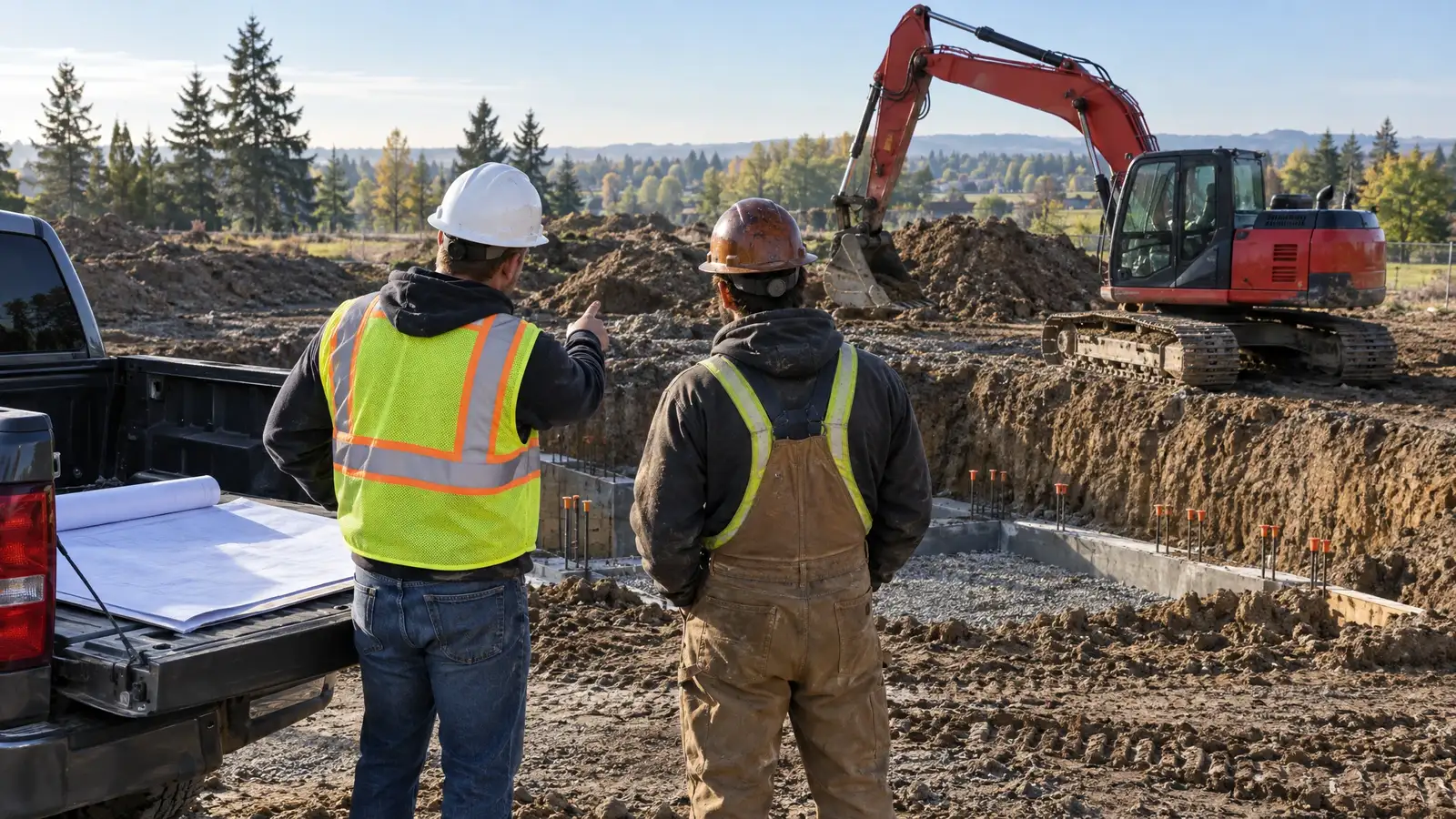
- Plan the sequence with your builder
- Budget for rock, long runs and restoration
Start with availability
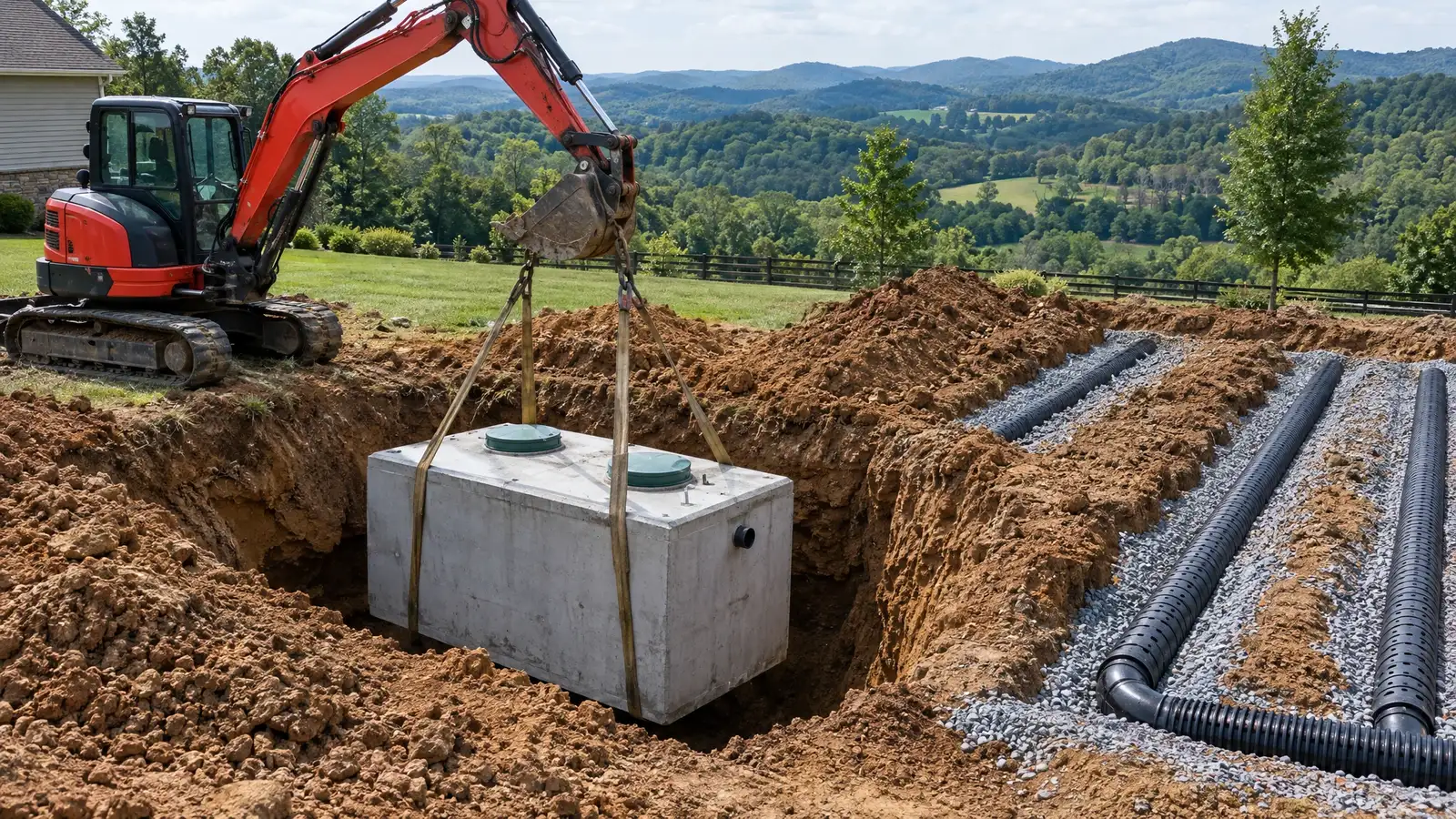
Before you buy or build, find out what is at the lot: public water, public sewer or septic, electric, gas and communications. A lot without sewer needs a septic design, and a lot far from a water main may need a long private line.
The city, the utilities and the county health department are the best sources.
Understand the costs
Tap and connection fees, meter charges, permits, engineering and the cost of long runs all add up. Rock and wet ground can add to trenching costs. Ask your builder or contractor which of these are included in their price.
Budget a contingency for the unknown.
Plan the sequence
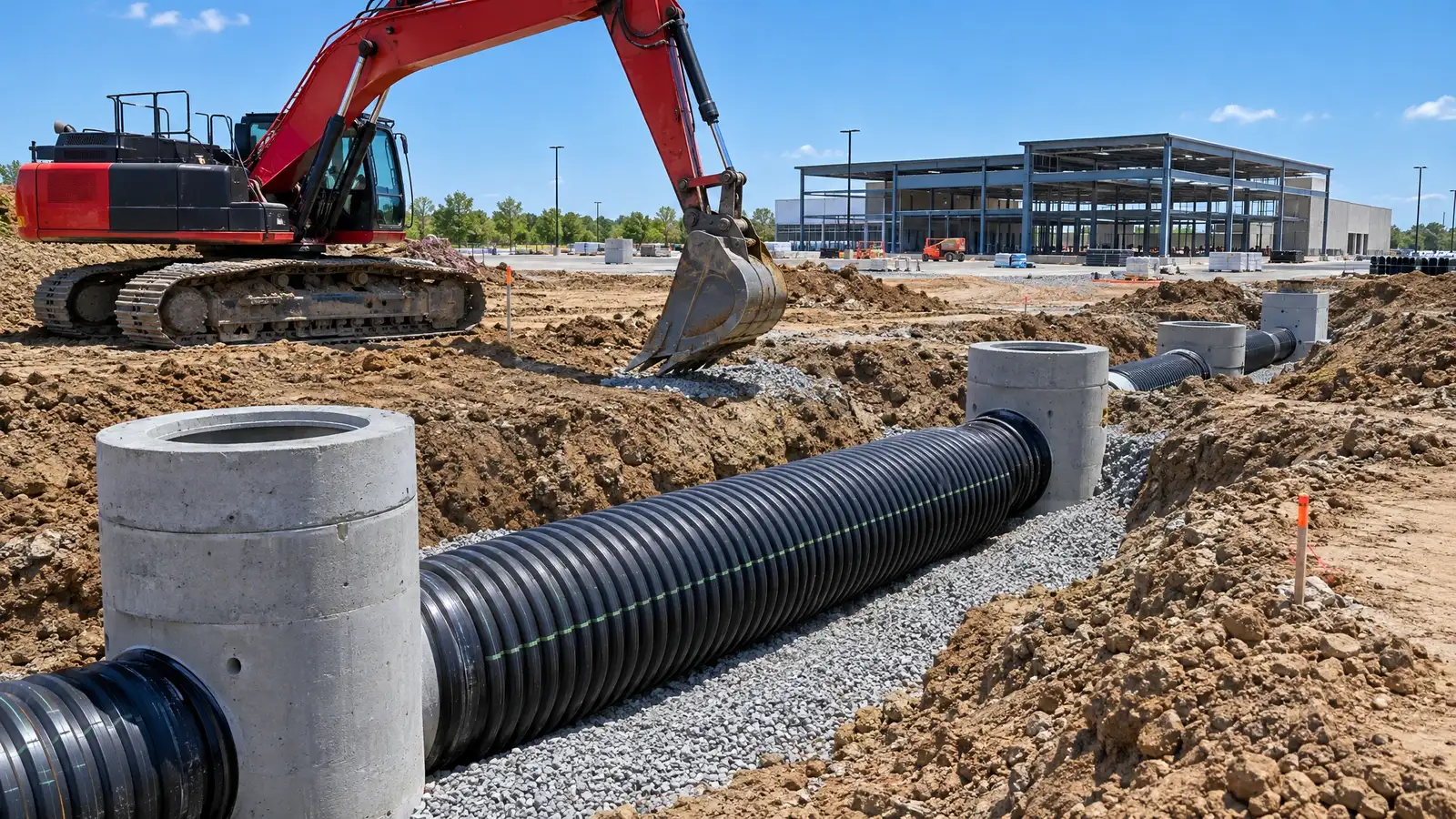
Underground lines normally go in after the lot is cleared and the pad is set, and before the driveway and final grading. Sewer and water often go in at the foundation stage and conduit before the slab. Planning together prevents cutting new concrete later.
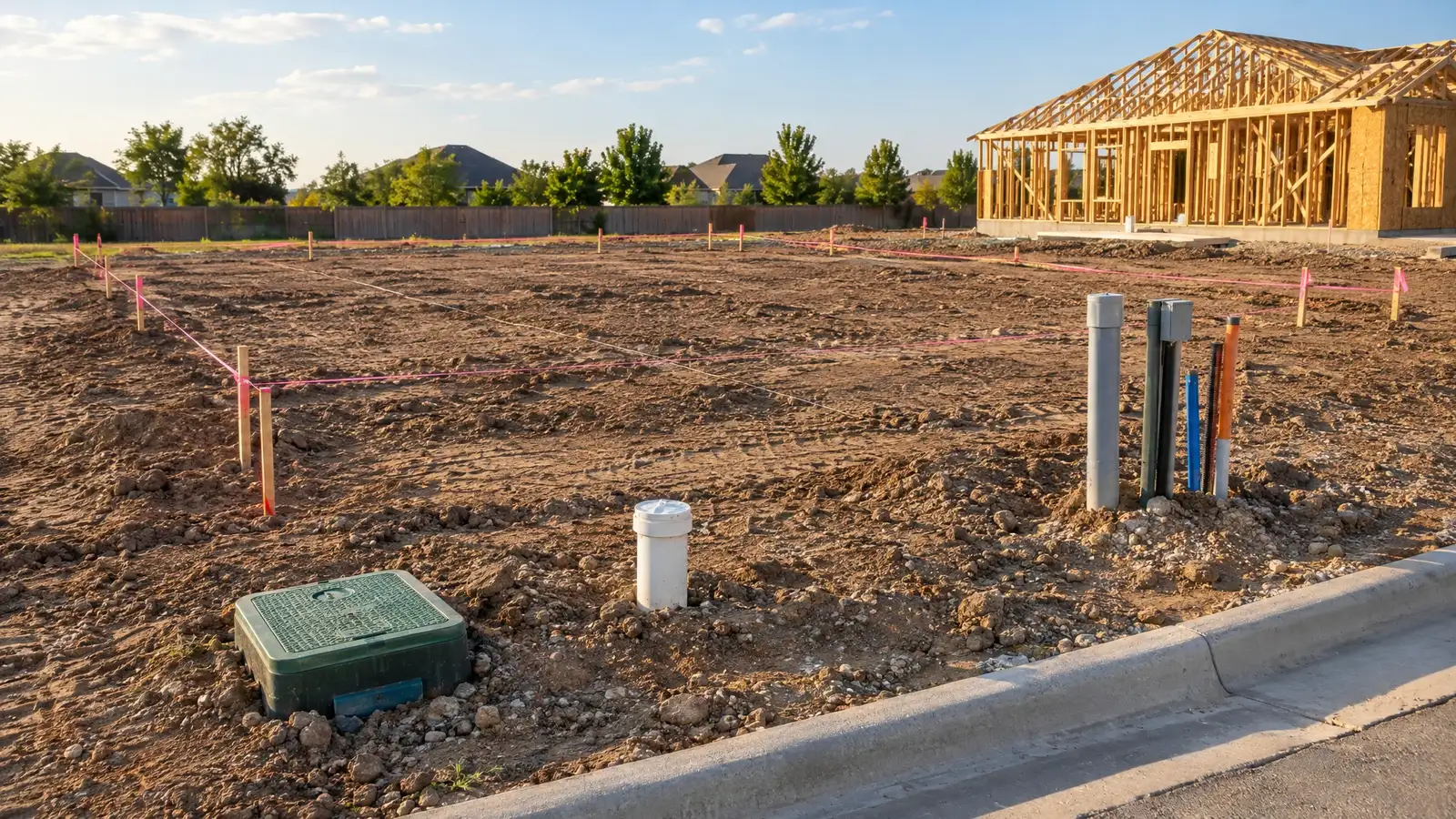
Mark stub-ups so they are not buried by other trades.
Protect and document
Take photos of trenches before backfill and mark the locations of stub-ups and cleanouts on a sketch. Keep copies of permits and inspection records. A good record saves guesswork if you ever dig again.
Restore the lot with proper grade and cover.
General information, not engineering, legal or safety advice. Rules and requirements vary by utility, city and county.