The short version
- Clay holds water and drains slowly
- It shrinks and swells with moisture
- Wet clay is sticky and hard to compact
- Good bedding and drainage protect lines in clay
What clay does
Red and brown clay soils are common across Middle Tennessee. They hold water, drain slowly and change volume with moisture. In wet weather they become sticky and slick, and in dry spells they harden and crack.
That affects both digging and what happens after.
Trenches in clay
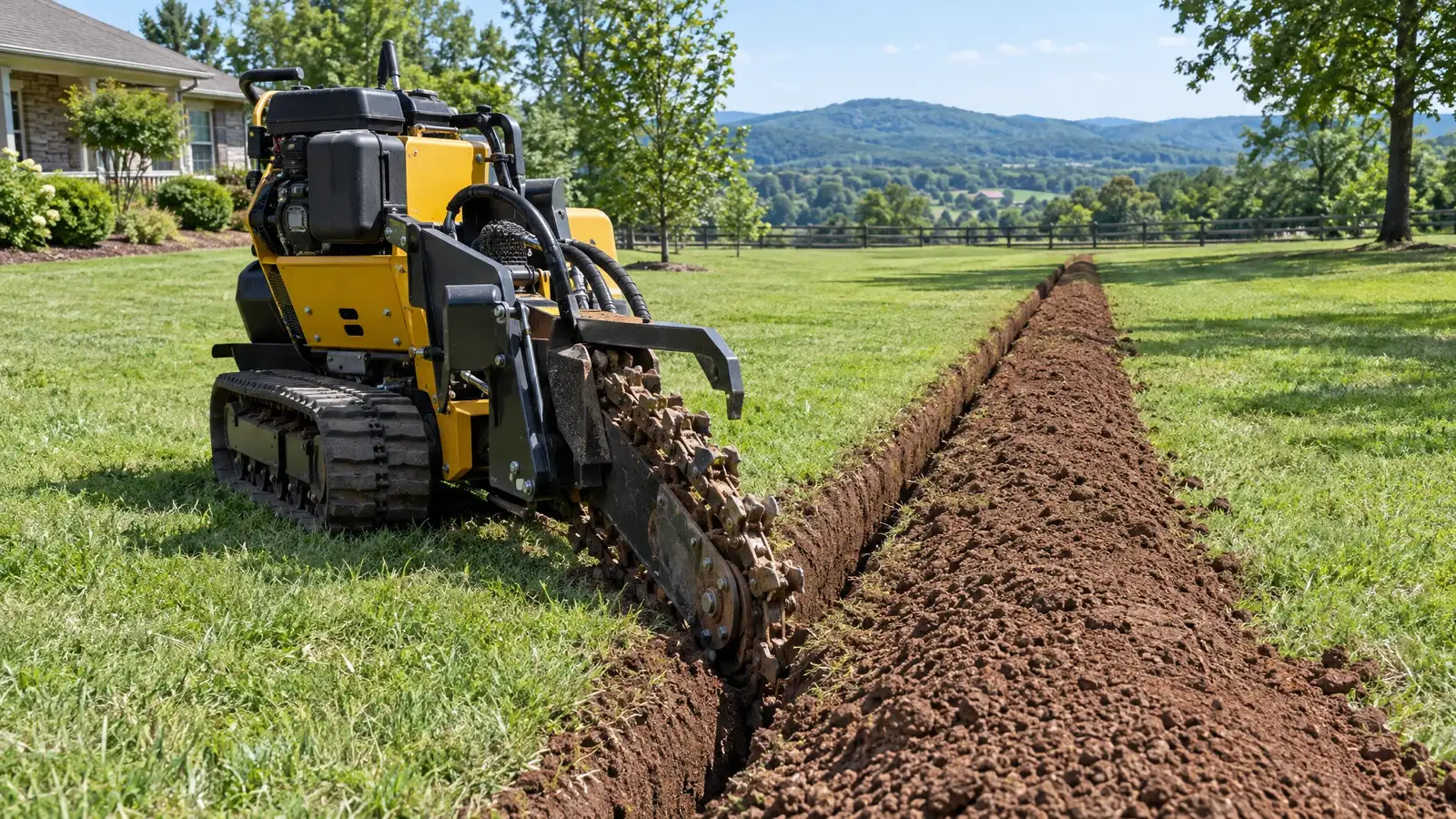
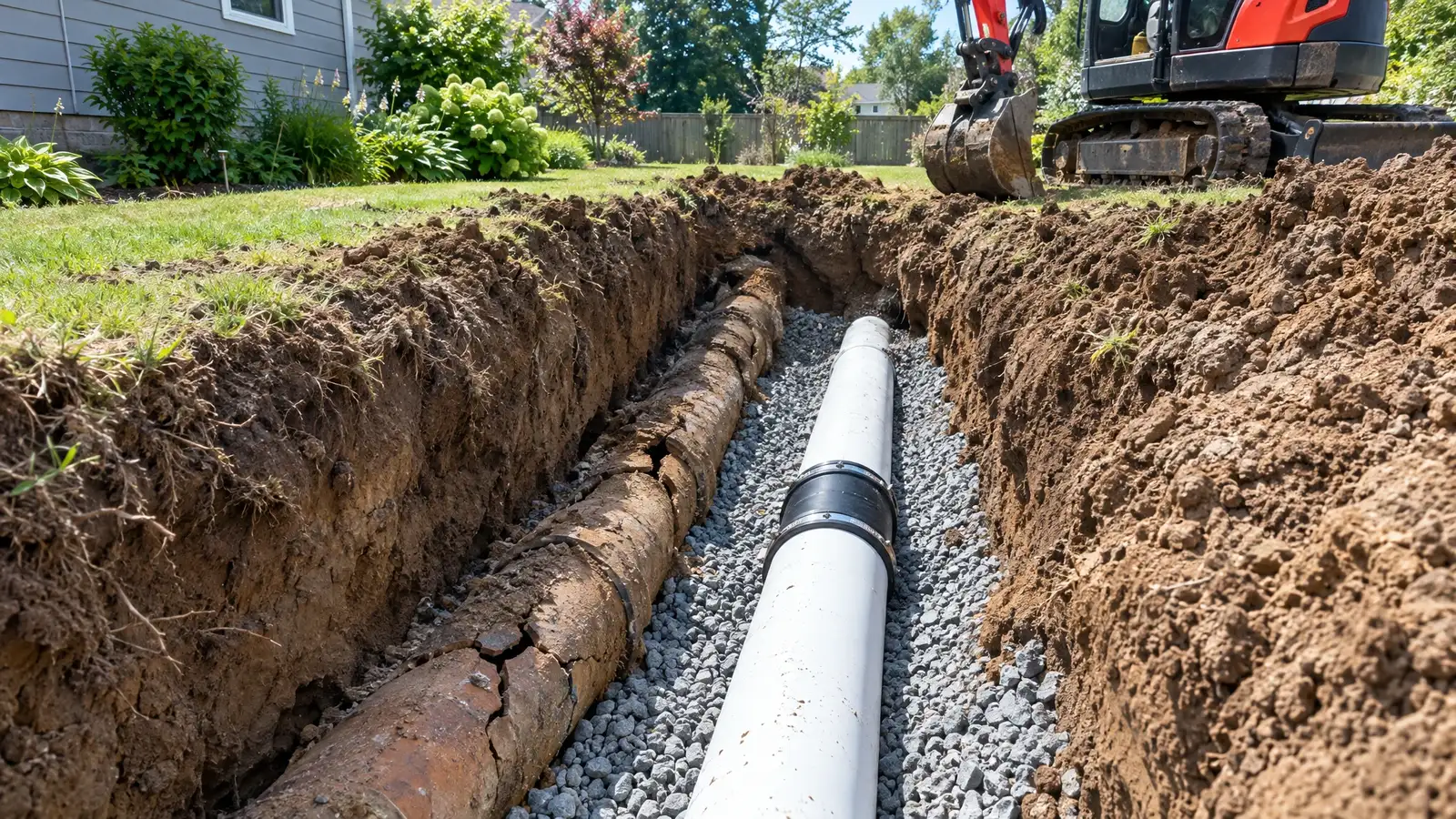
Clay stands well in a trench when it is moist but not saturated, yet it can slump quickly when wet. It can stick to buckets and make hauling messy. Compacting wet clay is difficult, so stone or flowable fill is often better under driveways and slabs.
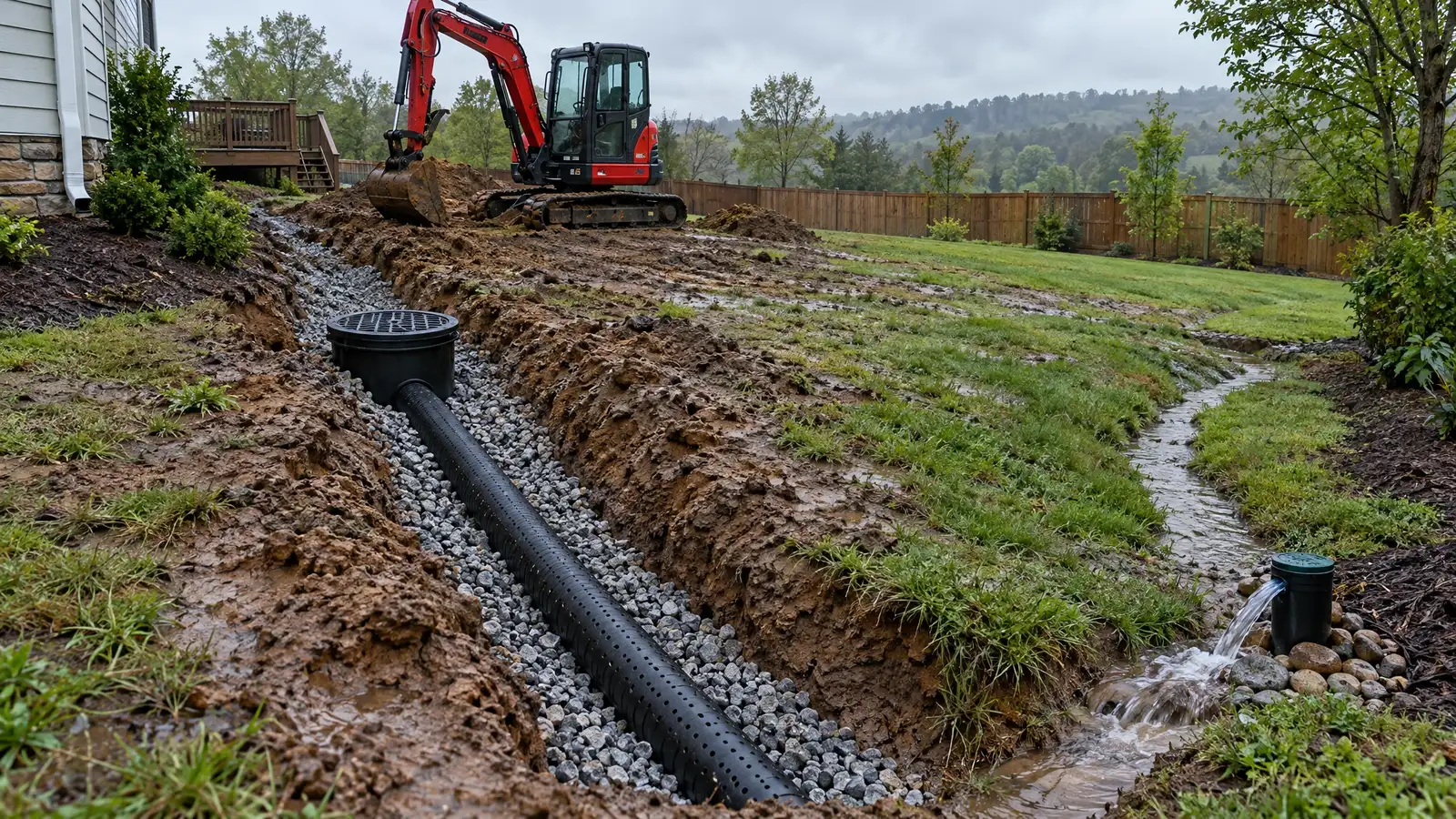
Trenches in clay can act as channels for water, which is why drainage matters.
Settling and heaving
Moisture changes can move clay and shift lines or slabs slightly. Bedding and backfill that distribute loads and keep water from pooling around pipes reduce the effects.
Good grading matters because water against a foundation or a trench line makes clay worse.
Drainage in clay
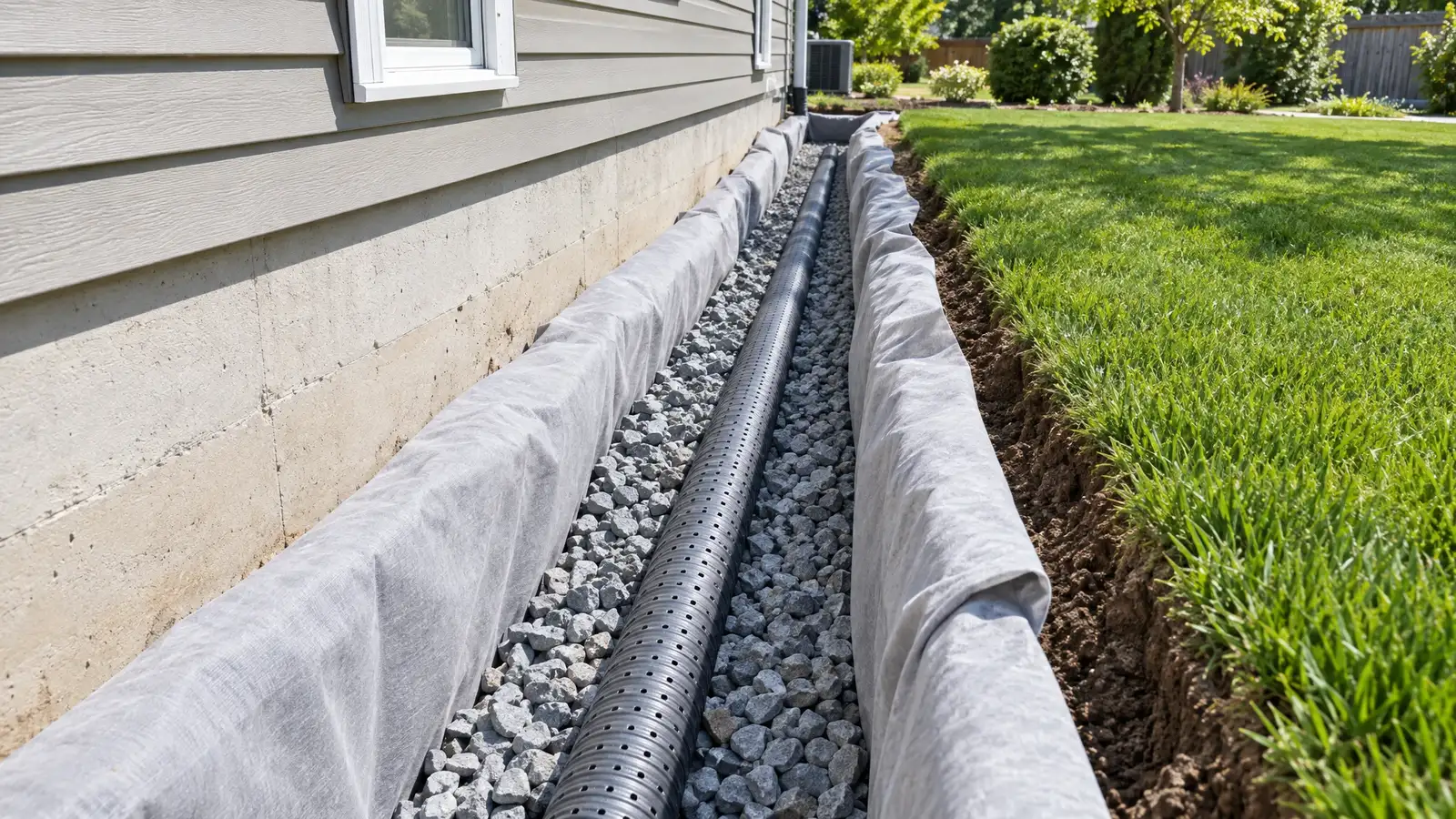
Because clay drains slowly, yards stay wet longer. French drains, swales and catch basins help, with an outlet that really works. Septic design in clay needs careful testing.
Planning for water solves more clay problems than anything else.
General information, not engineering, legal or safety advice. Rules and requirements vary by utility, city and county.