The short version
- Water can undermine trench walls and slow backfill
- Dewatering pumps and sumps keep trenches workable
- Compaction suffers in mud
- Plan for weather in schedules
What rain does to a dig
Heavy rain softens soil, fills trenches and pits, and makes access roads slick. Trench walls that were stable when dry can slump when wet, which makes trench protection more important and entry unsafe until the area is inspected.
Rain can also wash soil into streets and creeks.
Managing water
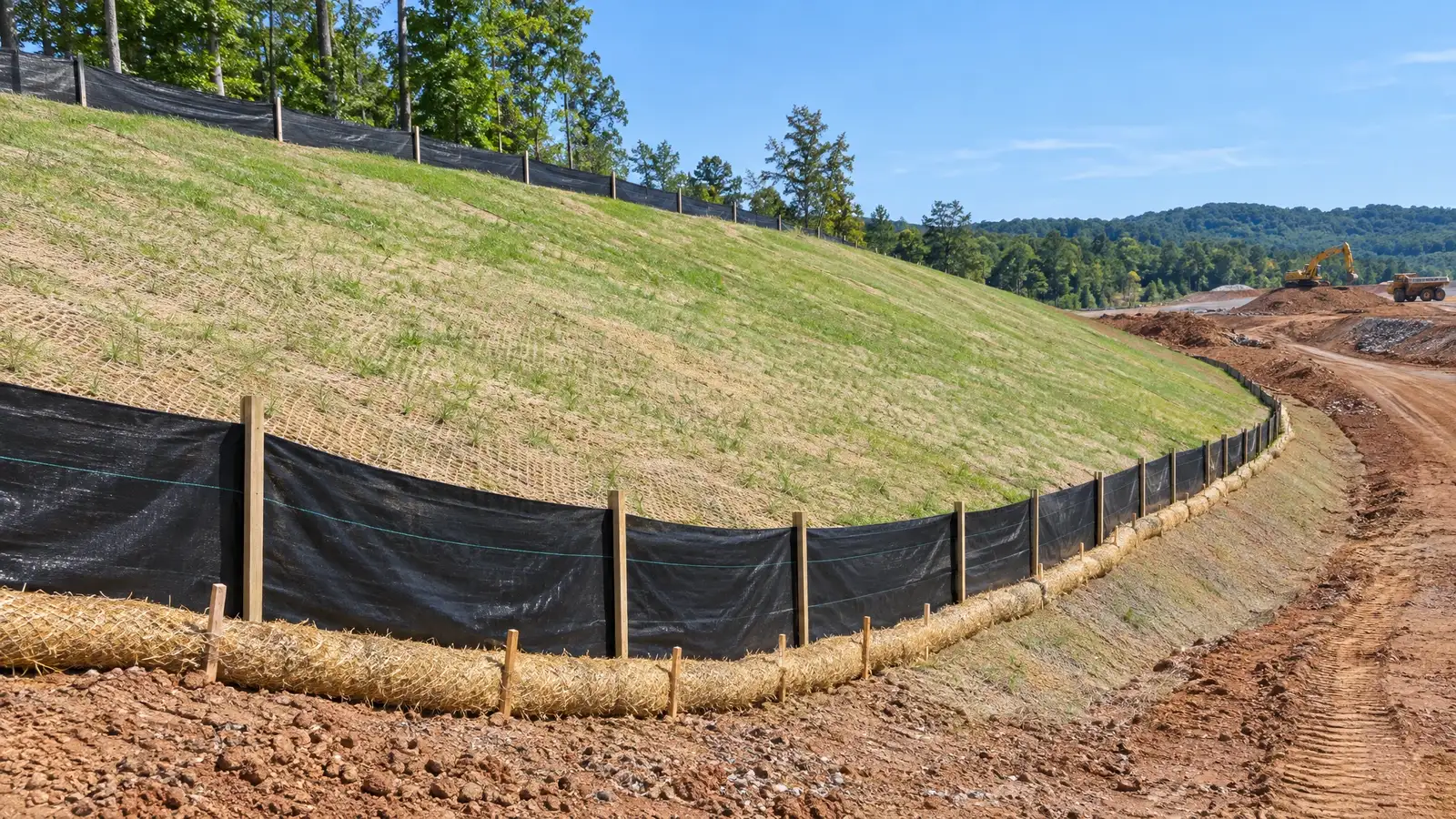
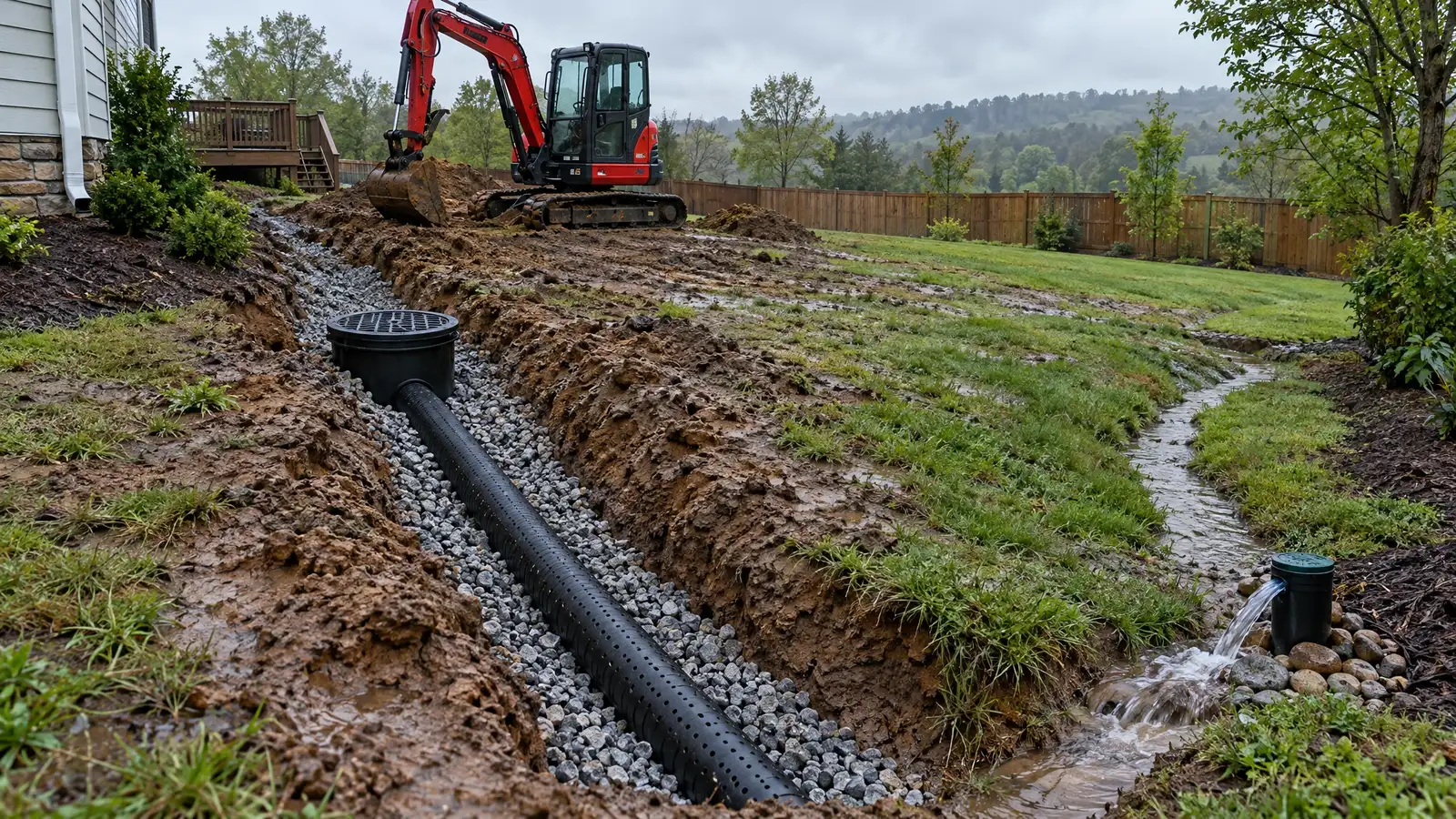
Contractors divert surface water away from excavations, install sumps and run pumps to remove water that gets in. Silt fence and wattles keep sediment on site. Covering open trenches overnight and closing them quickly reduces risk.
Sometimes the best answer is to wait a day.
Backfill in wet conditions
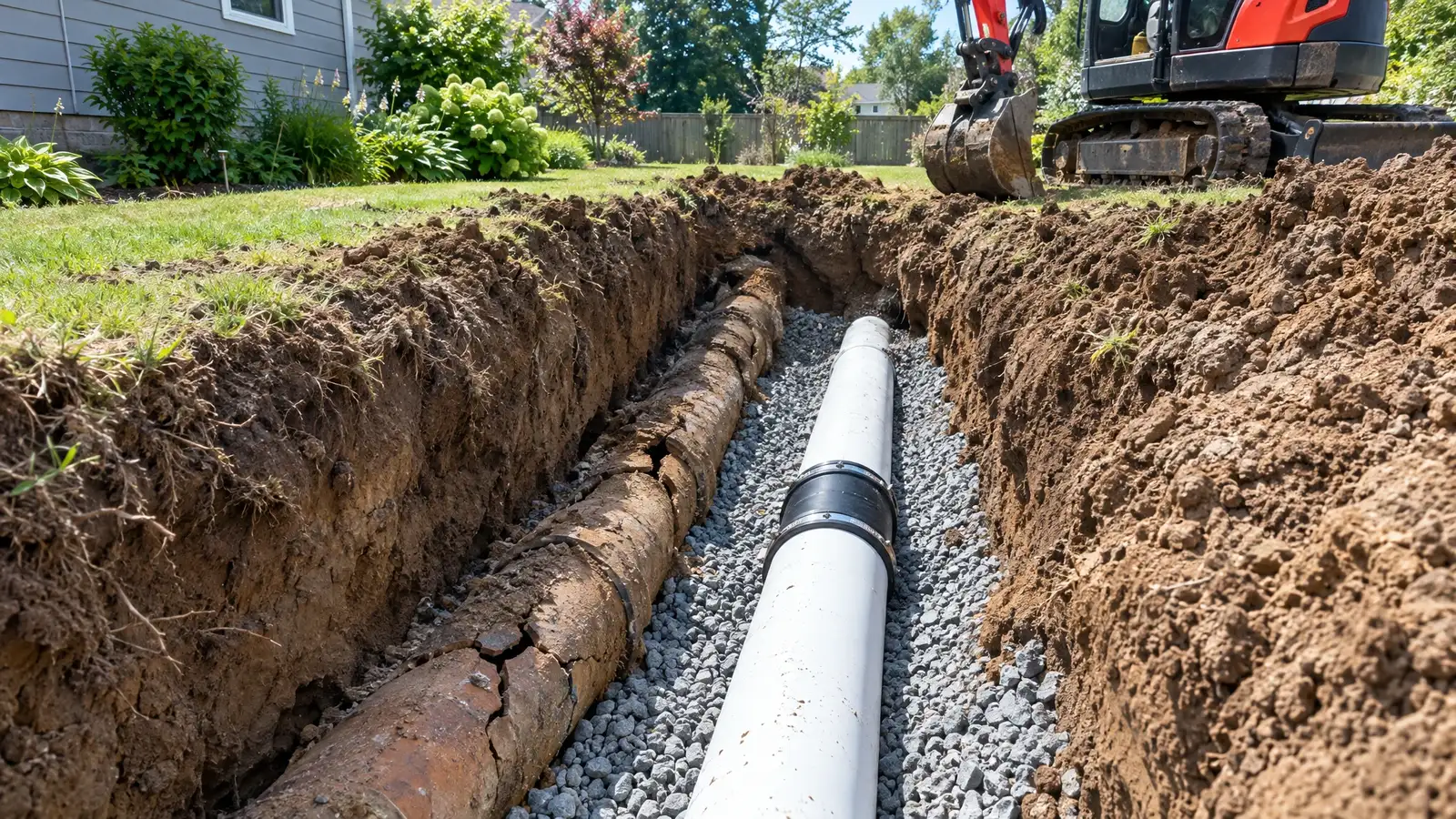
Wet soil does not compact well. Using stone, flowable fill or waiting for soil to dry gives better results than rolling mud. Placing backfill in lifts is even more important when conditions are wet.
Quick fixes show up as sinking later.
Planning
Build slack into schedules in wet seasons, keep spoil piles covered and plan sequences to close trenches the same day. Choose stone bedding that drains and use geotextile in soft areas.
A flexible schedule saves more than rushing.
General information, not engineering, legal or safety advice. Rules and requirements vary by utility, city and county.