The short version
- Much of the Nashville Basin sits on limestone bedrock
- Soil can be thin, with rock only a few feet down
- Depth to rock can change within a single lot
- Probing early shows what to expect
The ground under Nashville
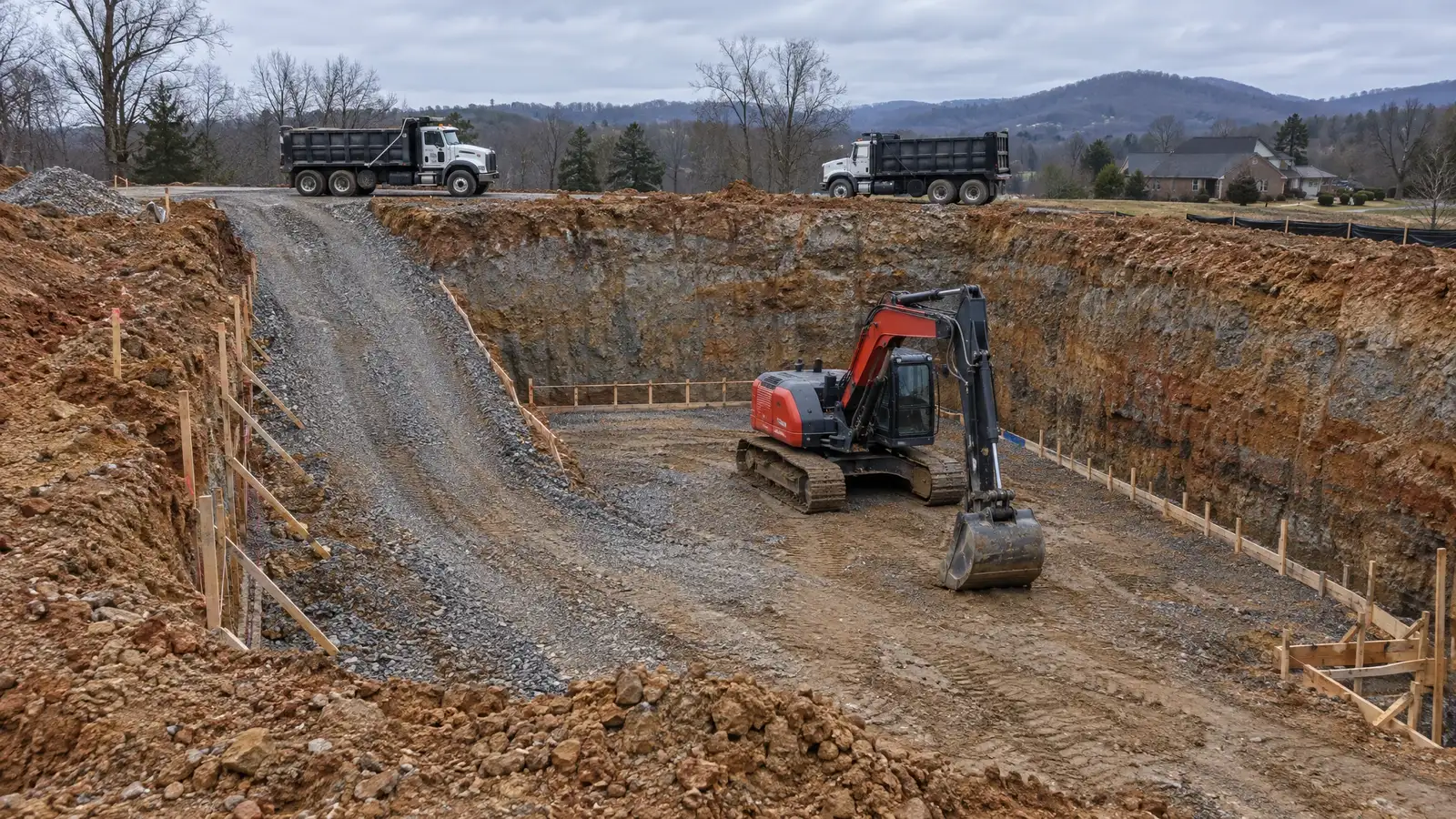
Middle Tennessee is known for limestone. In the Nashville Basin, soil is often relatively thin over bedrock, and rock ledges and boulders show up in yards and road cuts. The depth to rock varies from place to place, even within a single lot.
That is helpful for foundations and troublesome for trenches.
What it means for utilities
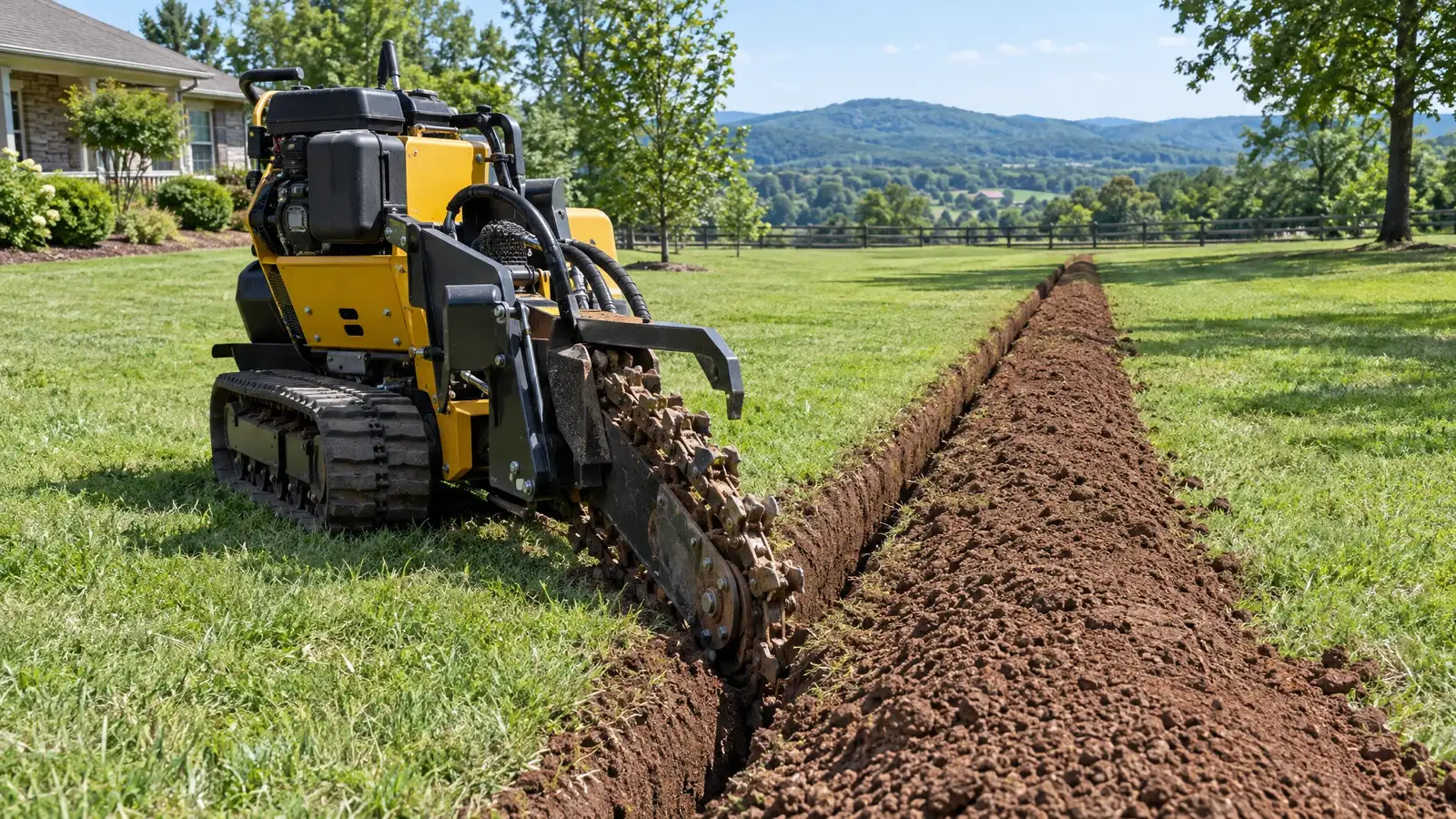
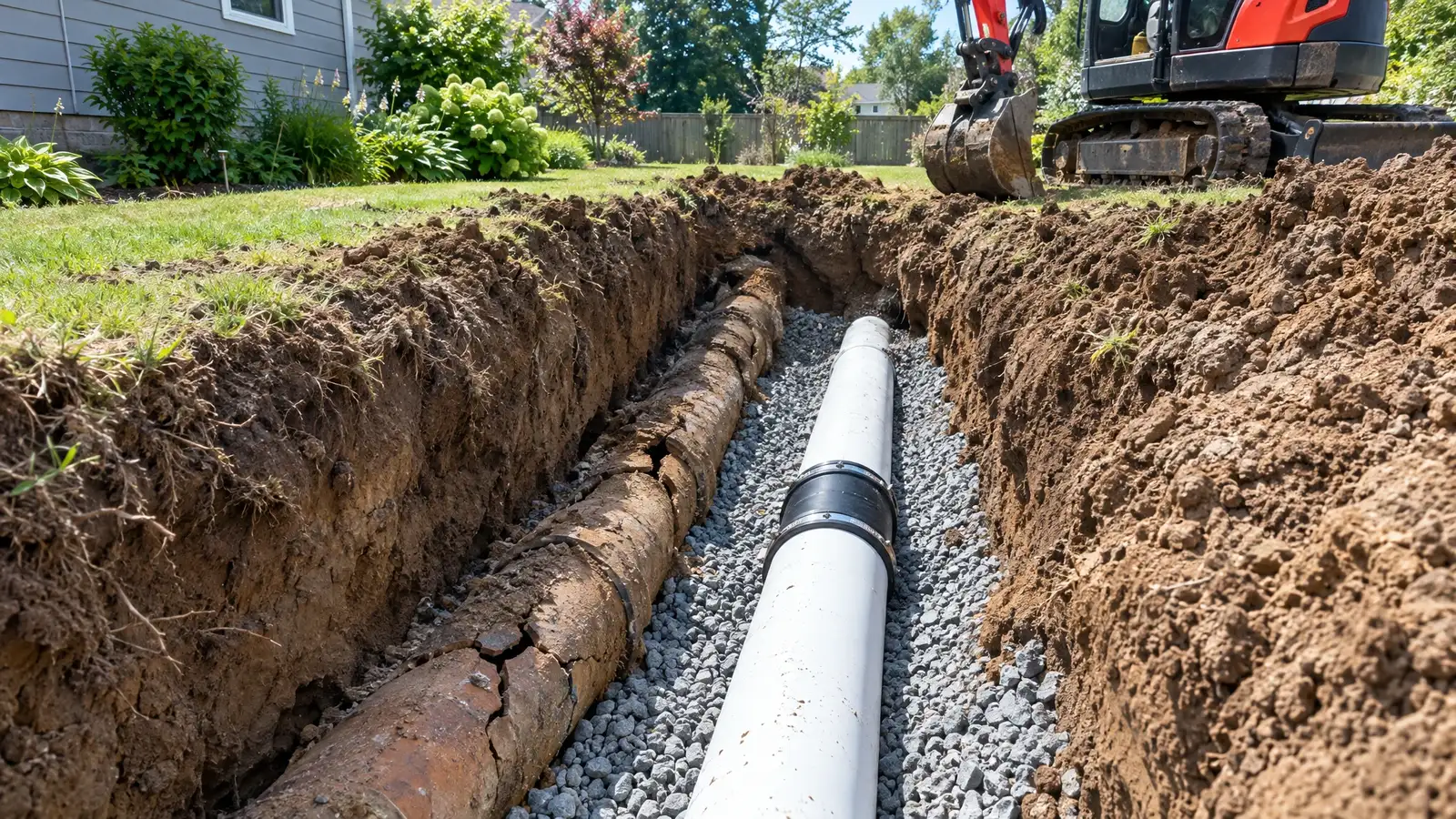
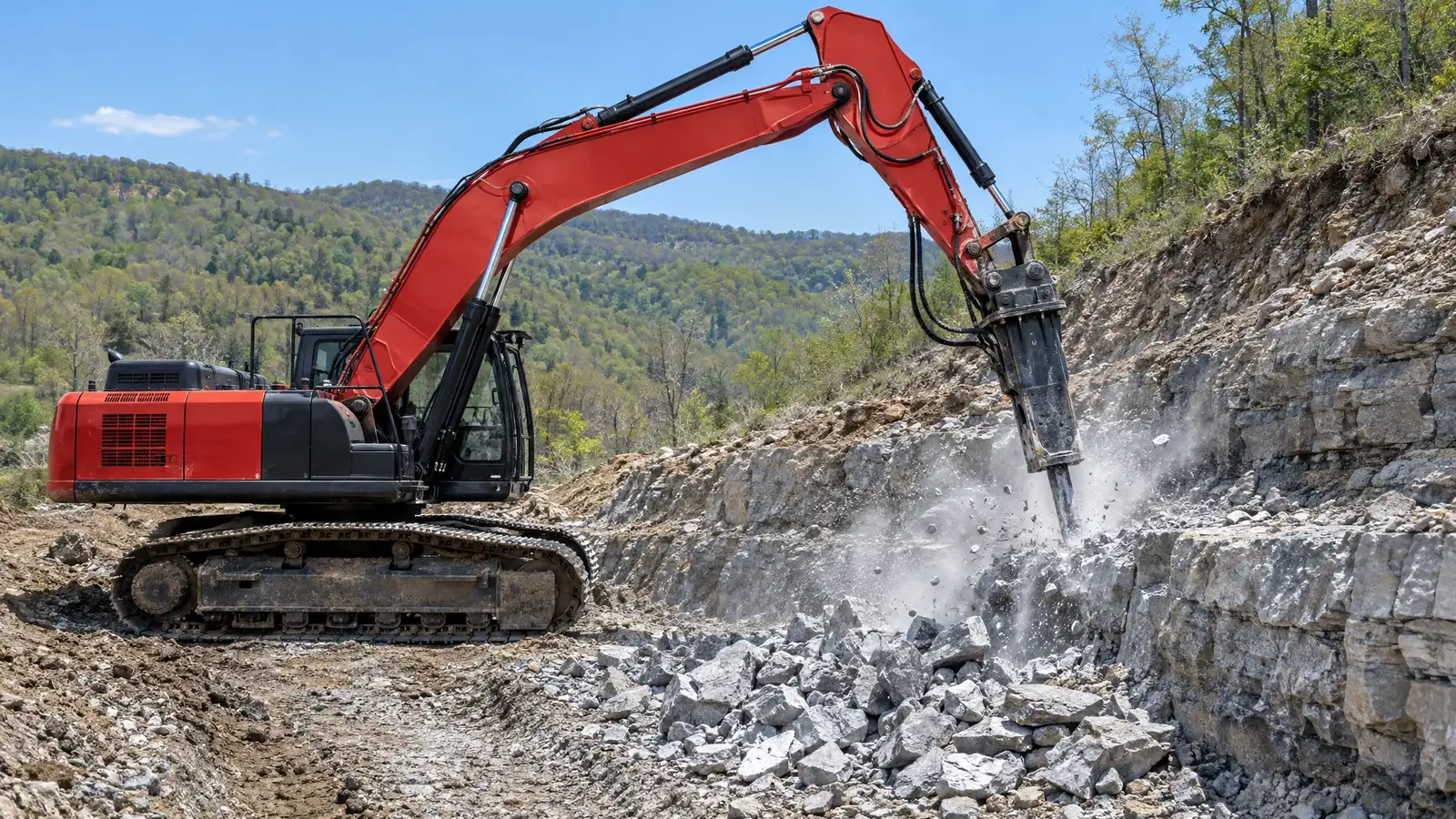
Trenches that are easy in one area can hit solid rock a few feet down in another. Rock raises the cost and time of trenching and may call for hammering, ripping or rerouting. Pipe needs bedding, because broken rock would damage it.
Bores can also stall in rock.
Karst and water
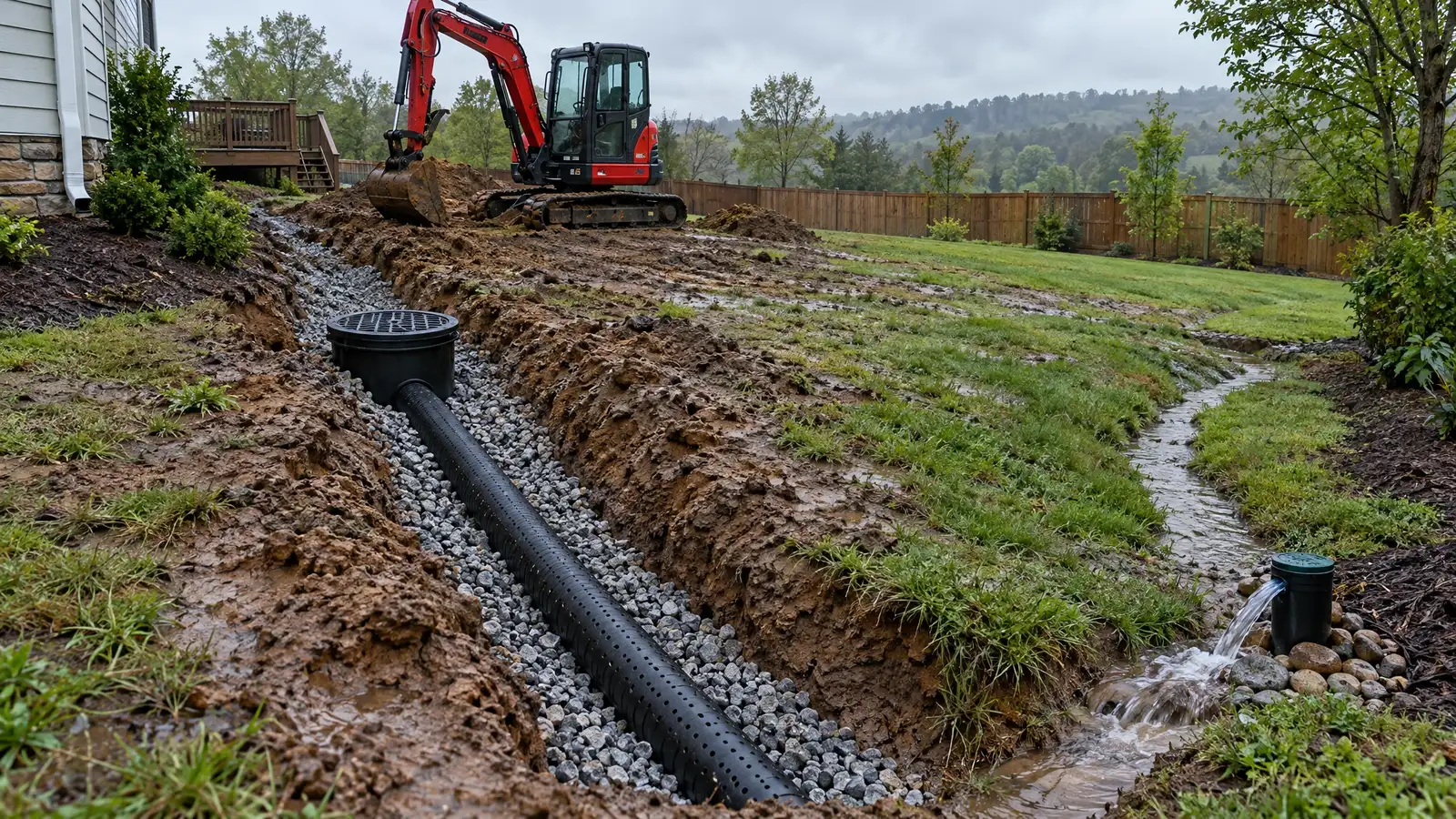
Limestone can dissolve over time, forming cracks, caves and sinkholes. In parts of Middle Tennessee, water moves quickly through rock and can emerge as springs, so drainage and septic design need extra attention.
Local knowledge is valuable.
Planning
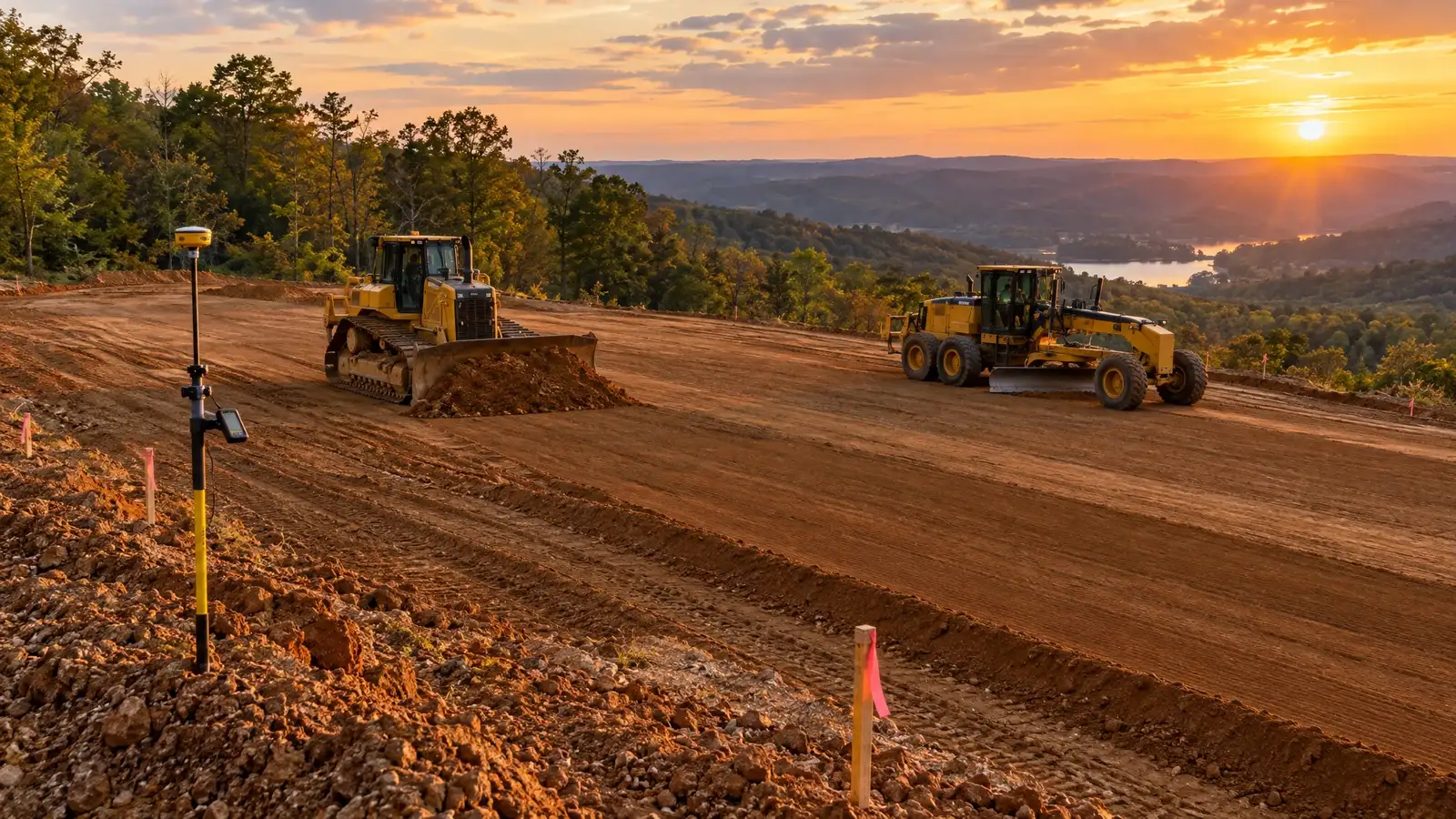
Probe or test dig before you design long routes, ask builders and neighbors about rock and include a rock allowance in the budget. A flexible plan beats a rigid one.
When in doubt, a geotechnical report gives the most information.
General information, not engineering, legal or safety advice. Rules and requirements vary by utility, city and county.