The short version
- Roots seek water and enter through cracks and joints
- Older clay and cast iron pipes are most vulnerable
- Digging near trees can damage their roots
- Bores and careful trenching reduce harm
Why roots find pipes
Roots grow toward moisture and nutrients, and a sewer line carries both. Any small crack or open joint in a pipe lets vapor and water out and invites roots in. Once inside, they grow into a mat that catches paper and grease.
Tree species, soil and pipe condition all affect how fast it happens.
Which pipes are at risk
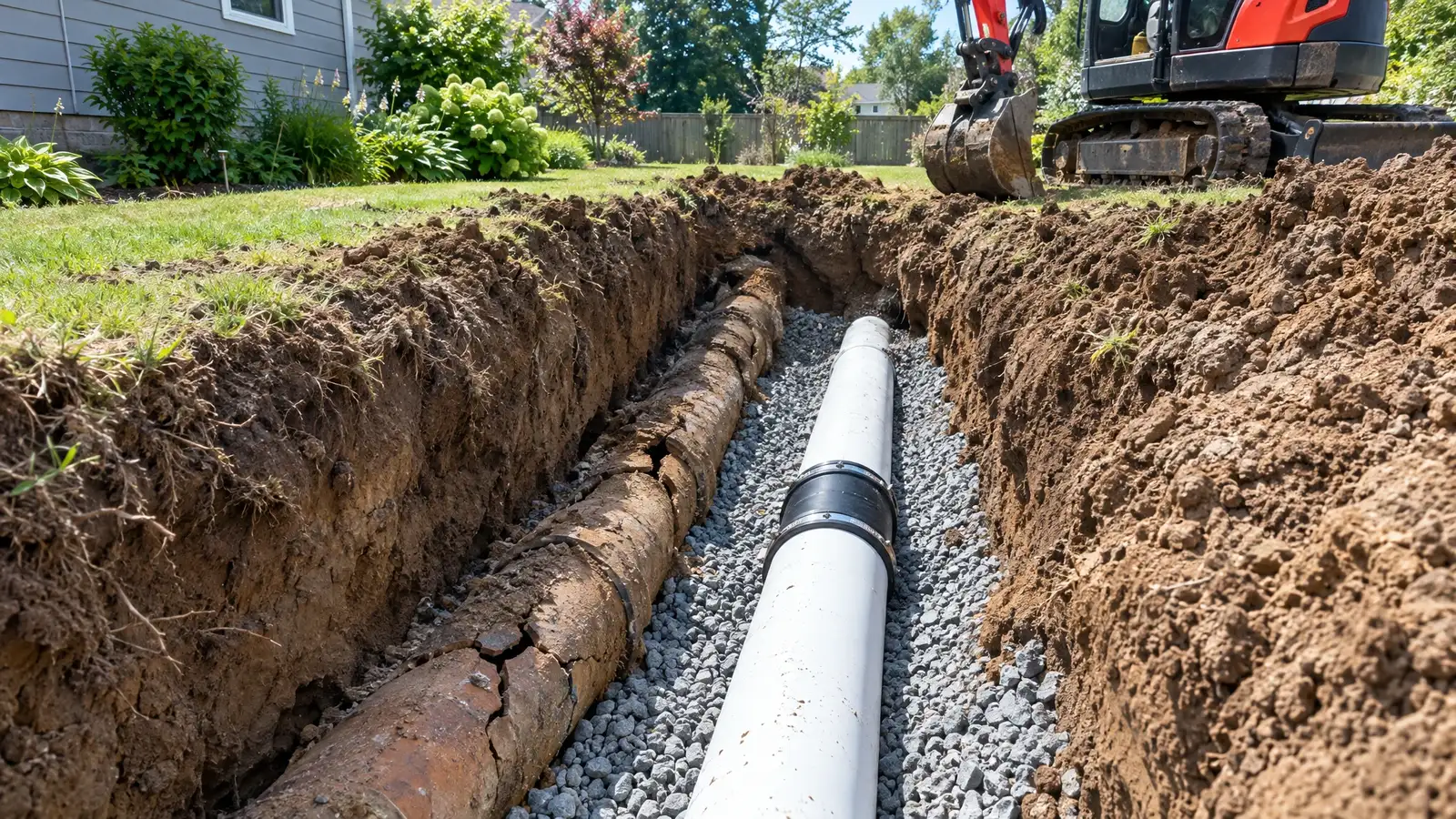
Older clay and cast iron lines with many joints are the most vulnerable. Modern PVC with tight joints resists roots better but is not immune where joints are damaged or poorly installed.
Water lines are under pressure and generally resist roots.
Digging near trees
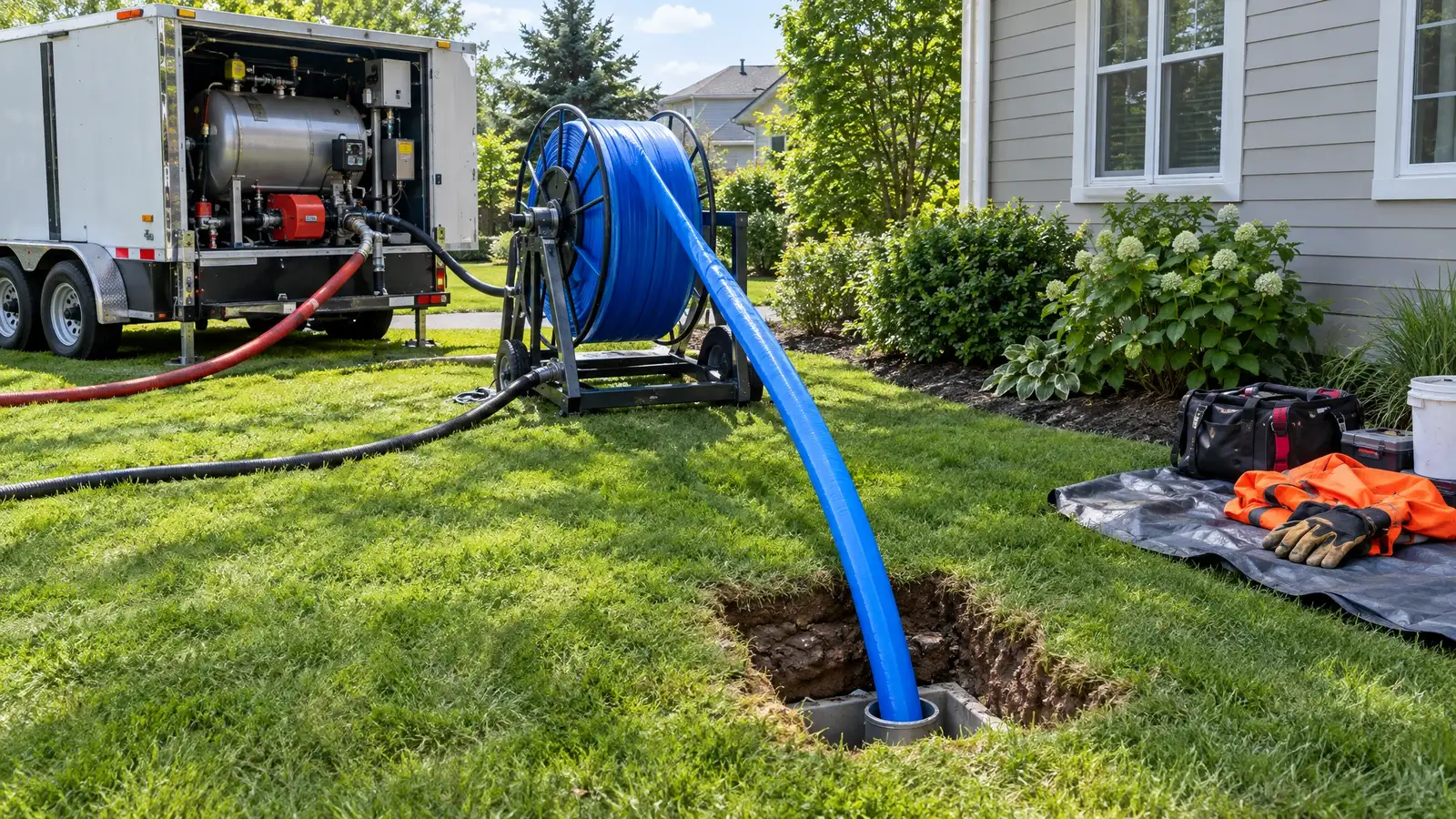
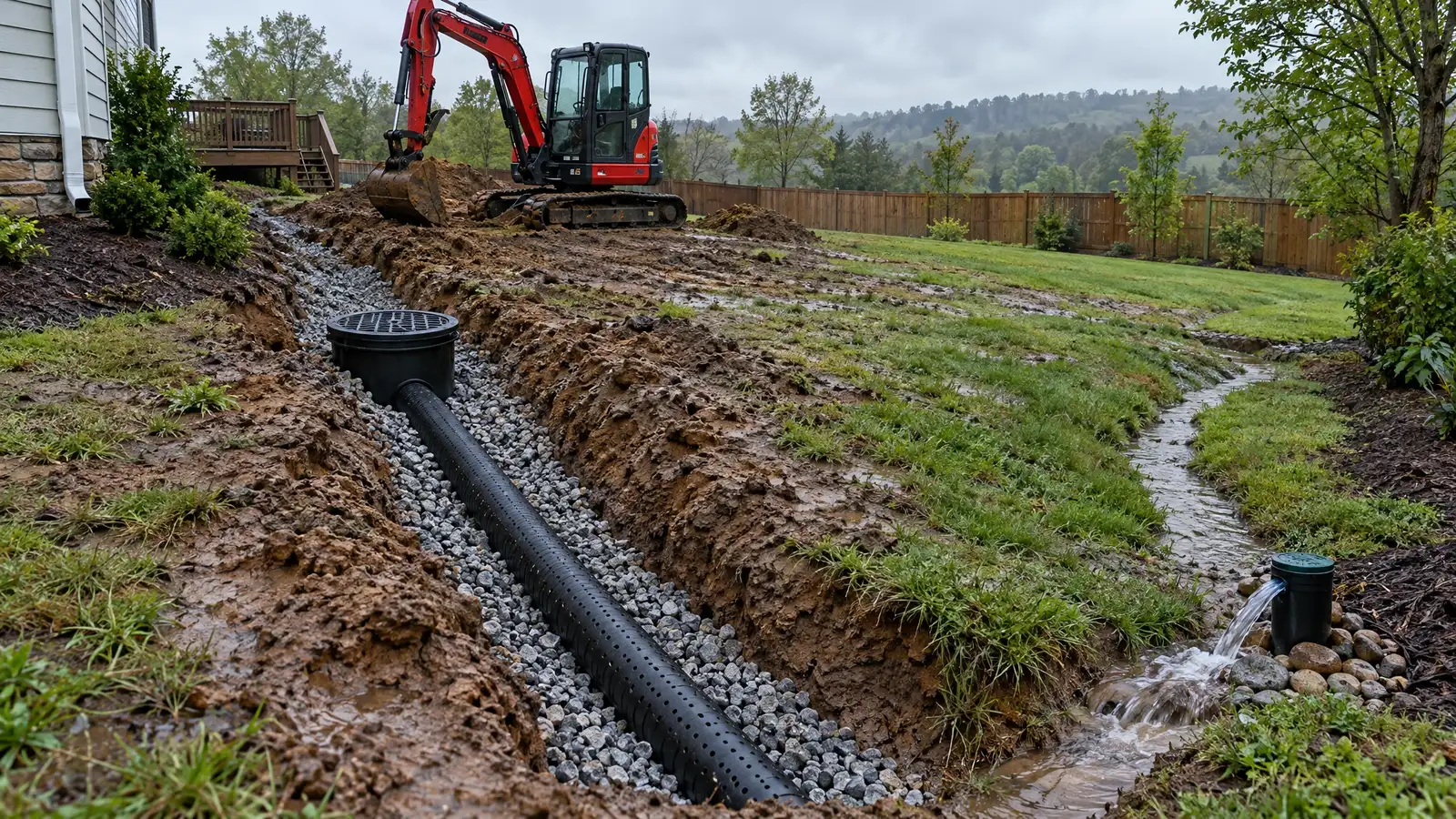
Cutting roots with a trench can injure or kill a tree, especially a large one. Where possible, routes avoid the critical root zone, or use boring below it. Hand digging and vacuum excavation protect roots near the trunk.
An arborist can advise on a tree’s health and how much root loss it can tolerate.
Fixing a root problem
Cutting roots clears a line but not the cause. Lining or replacing the damaged pipe closes the entry point. Planting plans that keep large trees away from lines help in the long run.
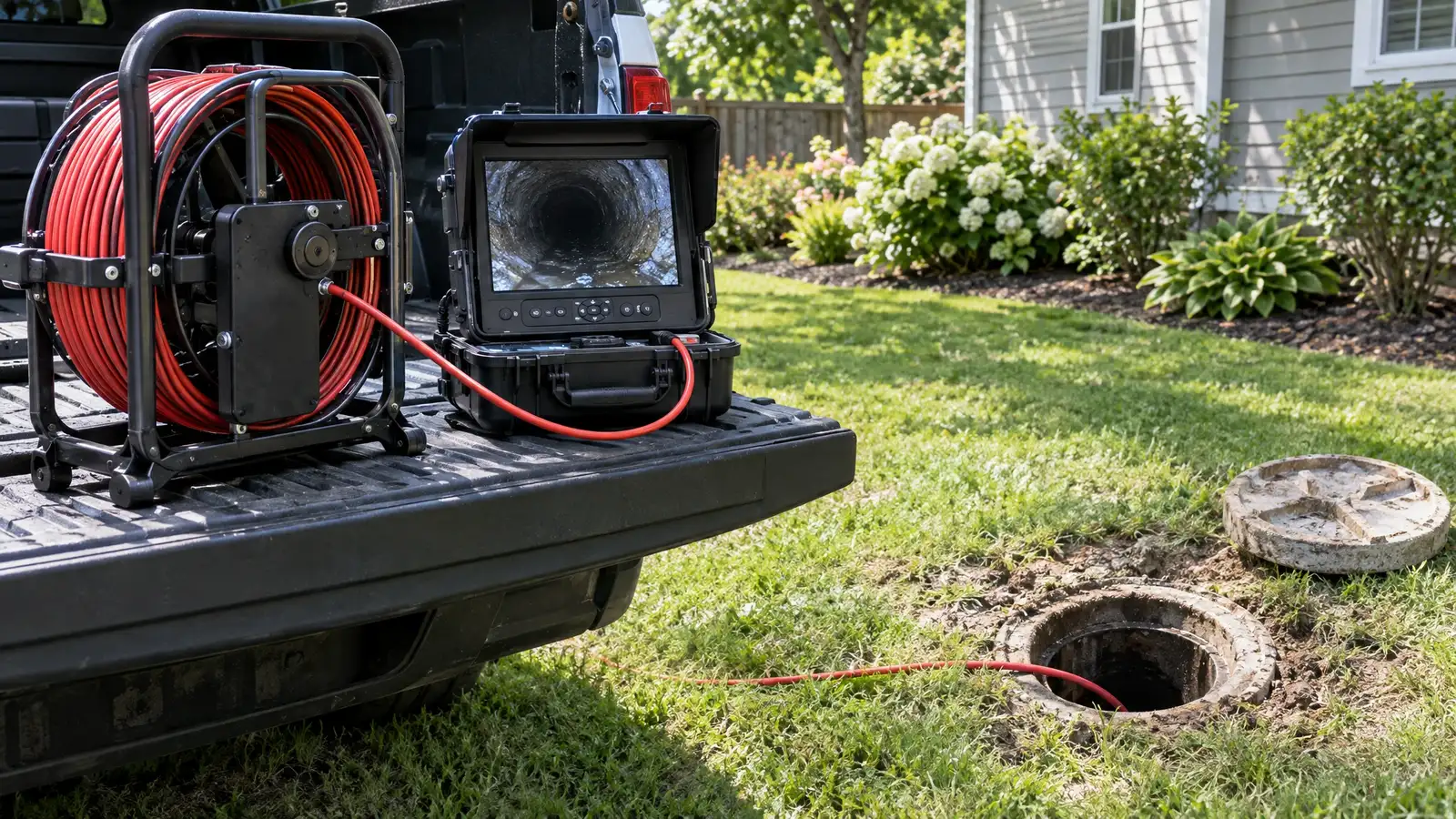
A camera inspection shows how bad the intrusion is.
General information, not engineering, legal or safety advice. Rules and requirements vary by utility, city and county.