The short version
- Loose backfill settles for months or years
- Lifts of 6 to 12 inches are common, with compaction between each
- Moisture and soil type affect compaction
- Flowable fill and stone can solve tricky spots
Why backfill settles
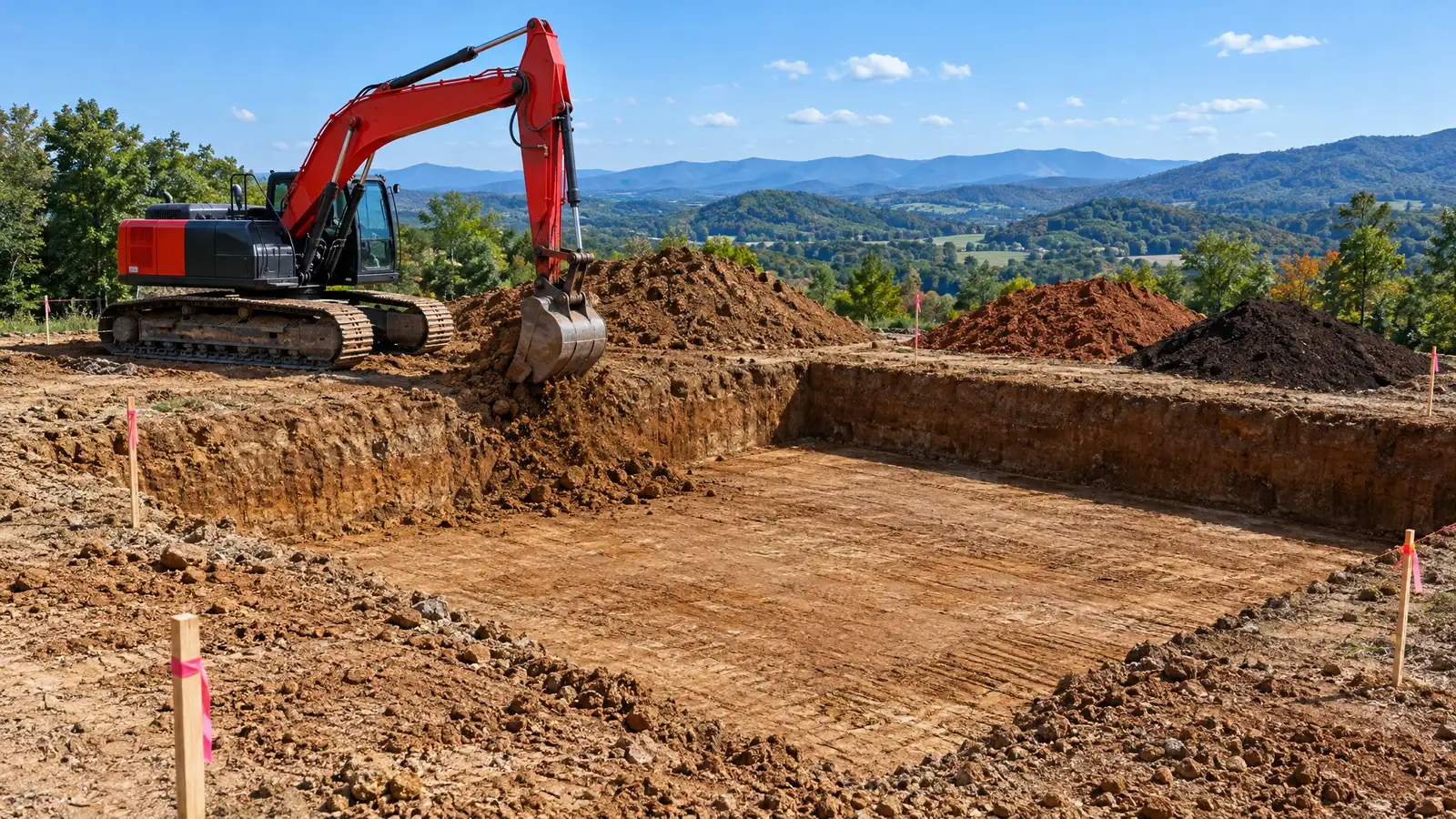
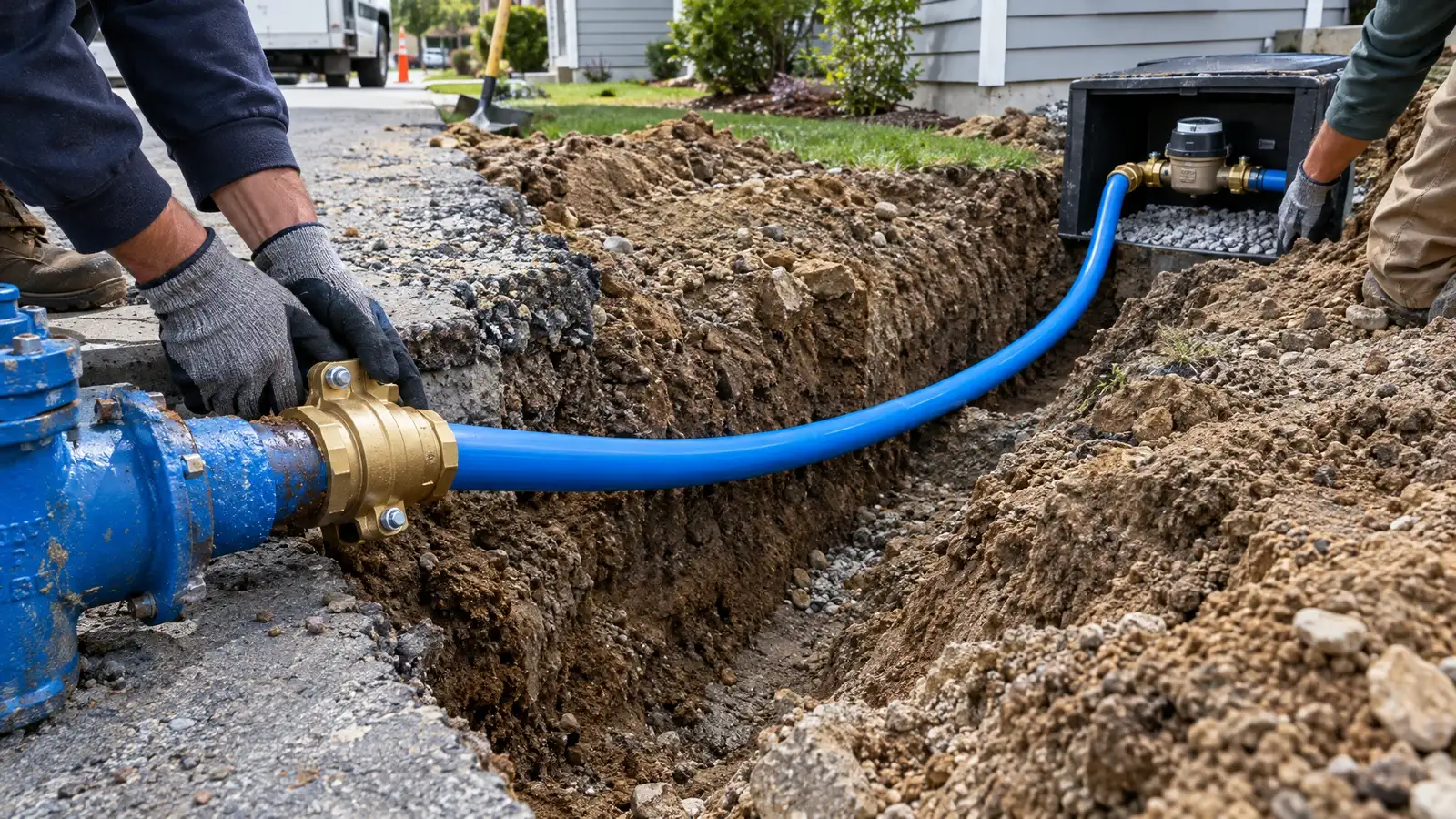
Dug soil is full of air gaps. When it goes back in the trench loosely, rain and traffic gradually squeeze those gaps out and the surface sinks. The deeper the trench and the more fill, the bigger the dip.
The sinking is not the soil’s fault. It is a result of how it was placed.
Compacting in lifts
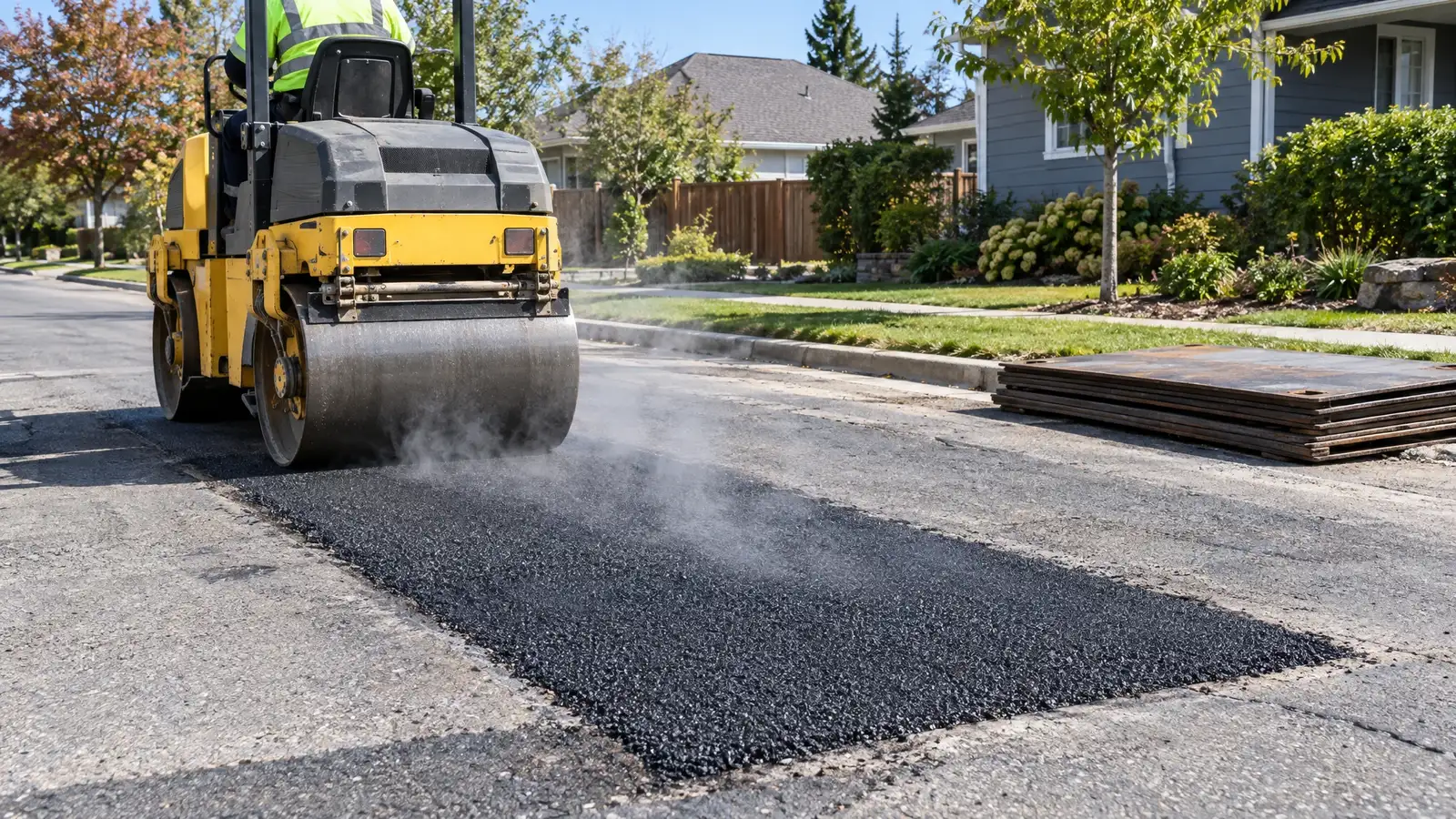
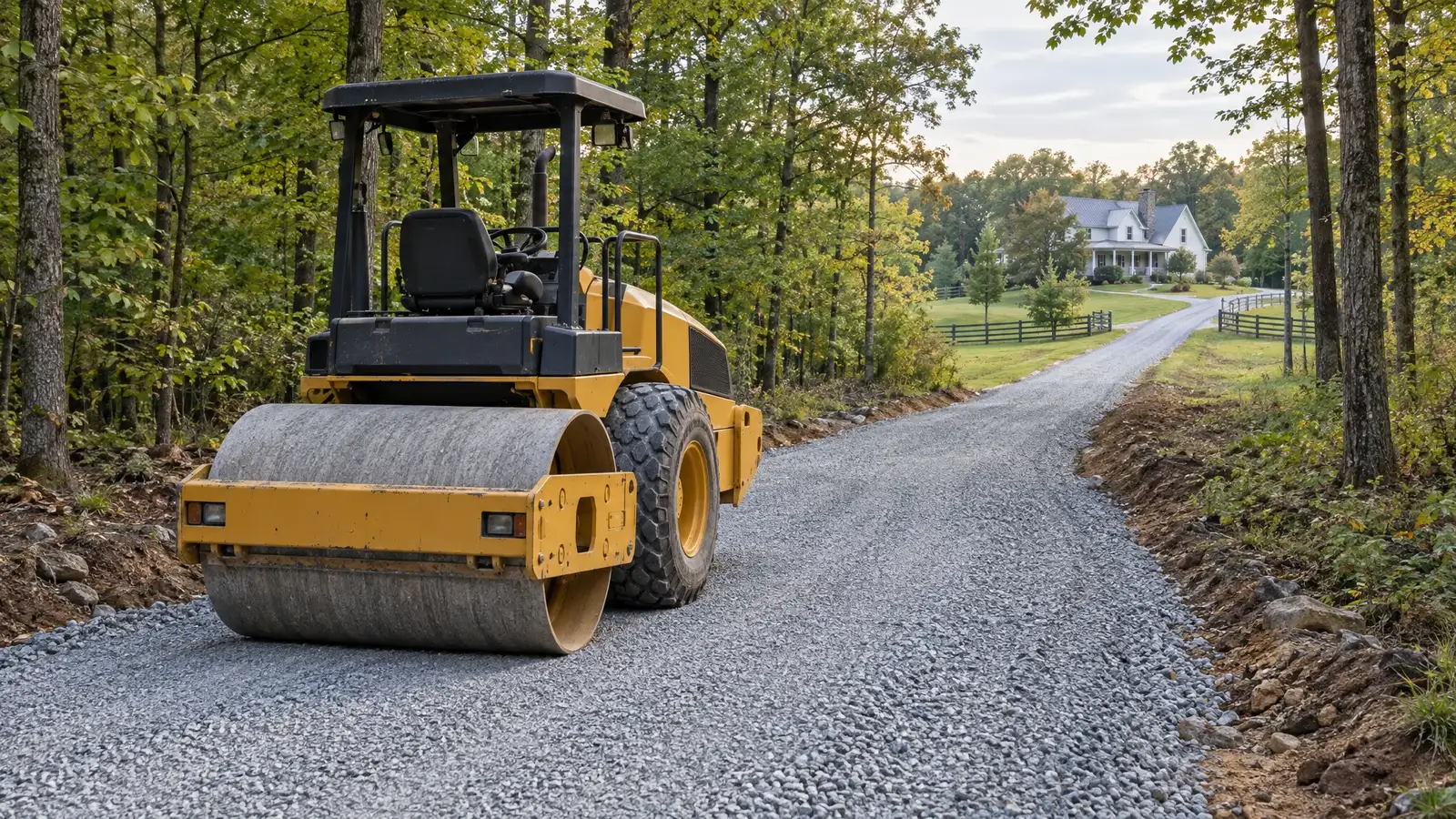
The fix is to place backfill in layers, called lifts, and compact each one before adding the next. Lift thickness depends on the equipment and the soil, and is commonly in the range of 6 to 12 inches. Compaction uses plate compactors, rammers, rollers or the weight of machines designed for it.
Doing this takes time, which is why it is skipped on bad jobs.
Moisture and soil
Soil compacts best at its optimum moisture, not dry and not soaking. Clay can hold water and become slippery, while clean sand and stone compact well. Rock fragments and debris create voids.
In wet weather, switching to stone or flowable fill is often wiser than trying to compact mud.
Special cases
Under driveways, roads, slabs and structures, settlement is not acceptable, so stone or flowable fill is common. Along walls, backfill is placed gently to avoid loading the wall.
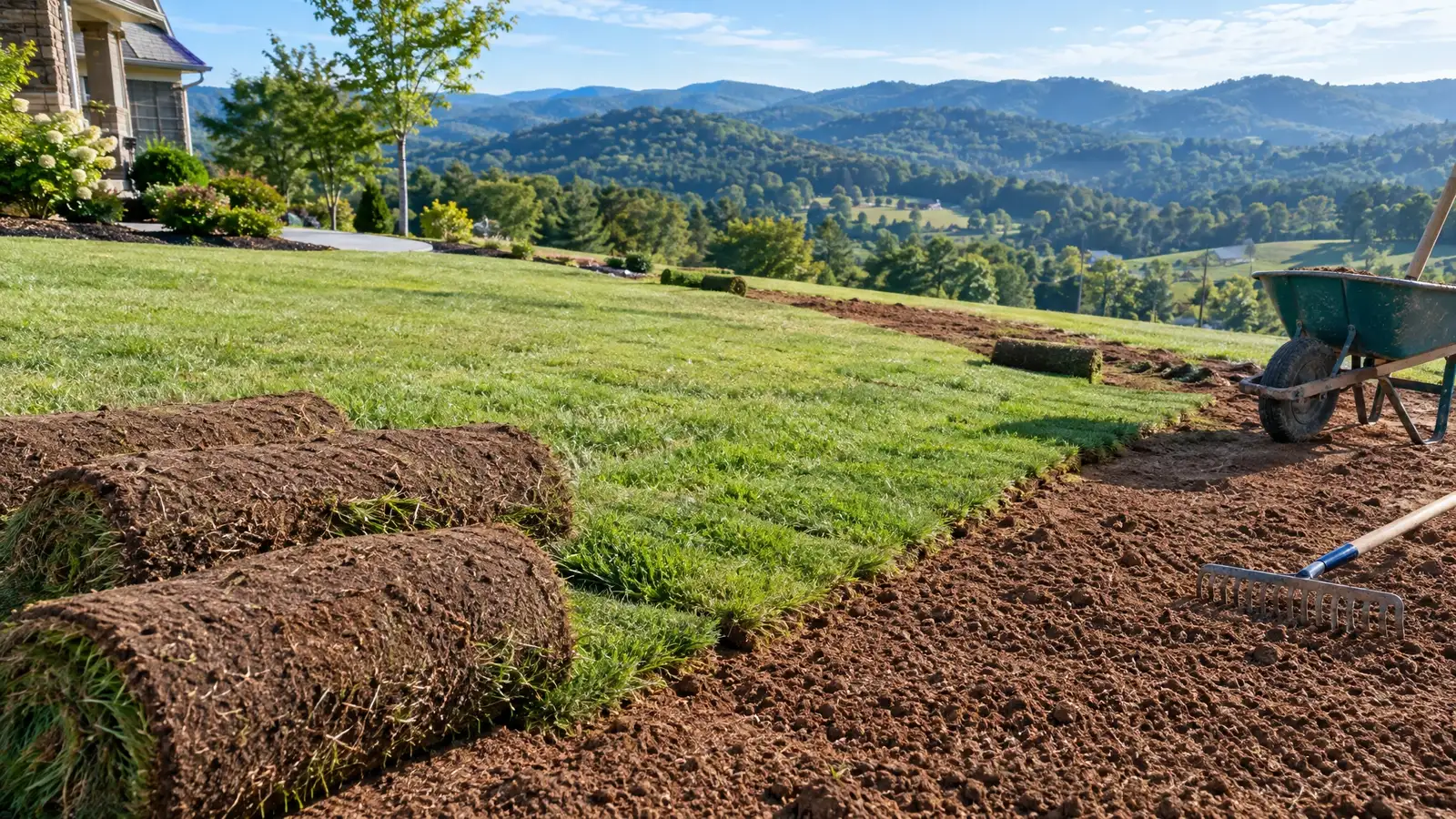
If a trench has already sunk, it can often be topped up, re-compacted or re-sodded.
General information, not engineering, legal or safety advice. Rules and requirements vary by utility, city and county.