The short version
- Depth is set by code, utility specifications and the use of the line
- Sewer depth is driven by slope, not frost
- Cover protects lines from loads, tools and weather
- Always confirm local requirements
There is no one number
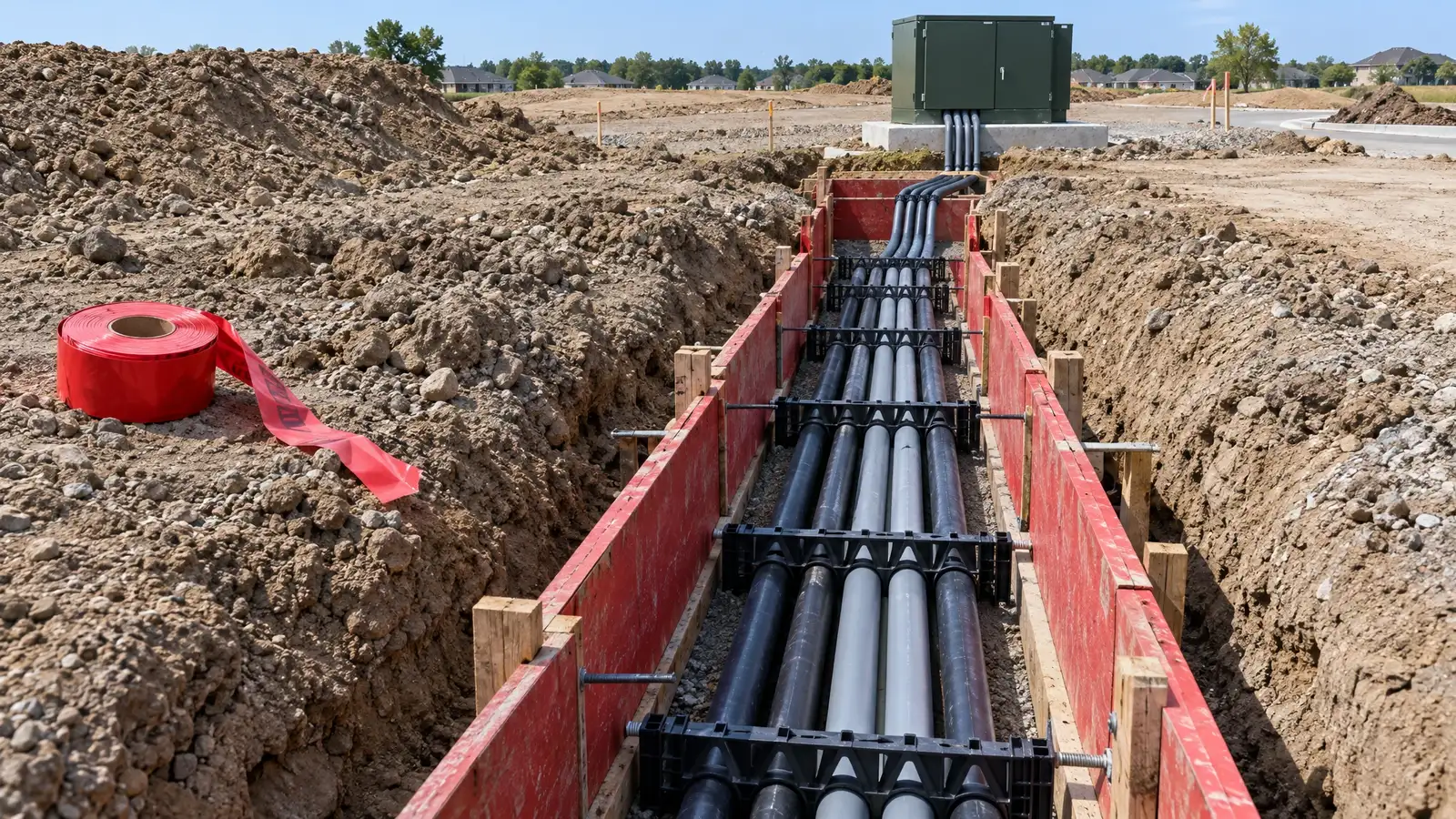
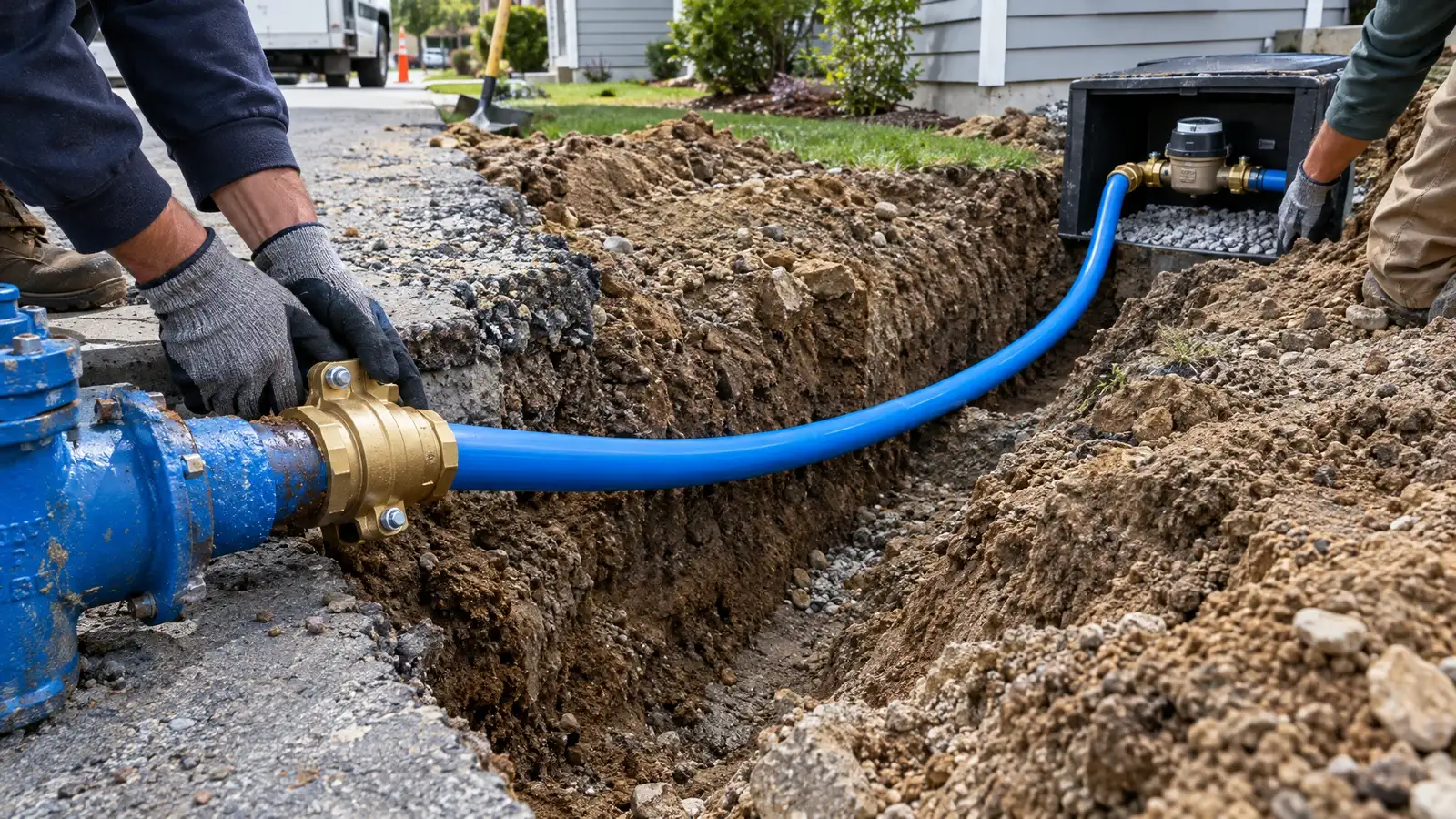
Every utility, city and code sets its own rules for cover over pipe and conduit, and the numbers differ for each service. Water lines, gas lines, electric conduit and communications conduit all have different minimums, and they change with the surface above, such as lawn, driveway or road.
That is why a contractor works from the specification for your site rather than a rule of thumb.
Why depth matters
Cover protects a line from the weight of vehicles, from the digging of future projects and from freezing. A line that is too shallow can crack, get hit by a shovel or a lawn aerator or freeze in a cold snap. A line that is deeper than necessary costs more to dig and is harder to repair.
Middle Tennessee’s frost depth is modest compared with colder states, but local rules and load protection still decide cover.
Sewer is different
Gravity sewers and storm lines are laid to slope, so their depth comes from where they start, where they end and the fall in between. A sewer can be deeper at the street than at the house, or the other way around, depending on the site.
Depth at the building may be set by the plumbing, and depth at the main by the utility.
Crossings and rocky ground
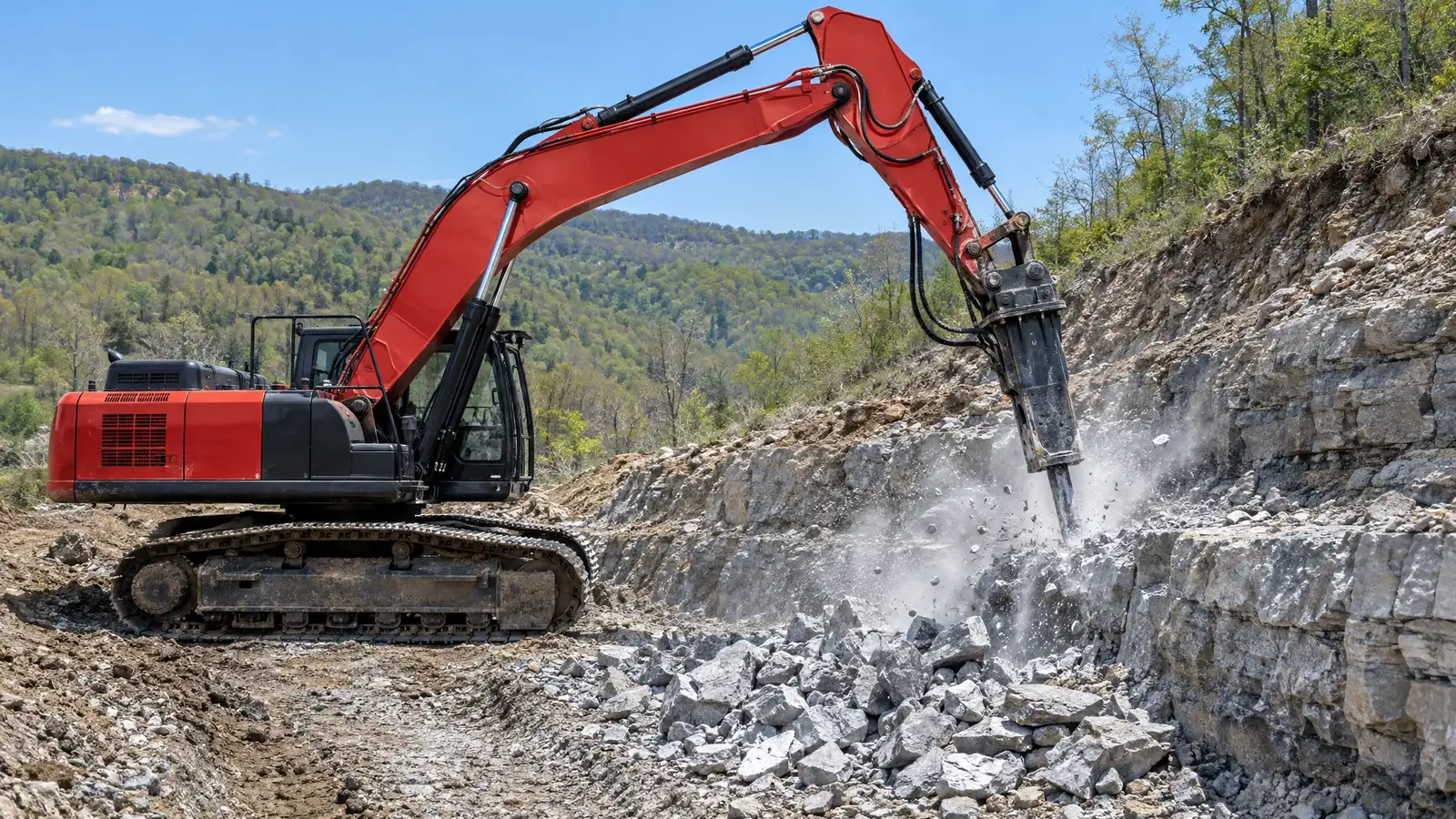
When one line crosses another, clearances apply and may require sleeves, concrete or a change in depth. In shallow rock, lines may be laid with less cover where allowed, or the route changed.
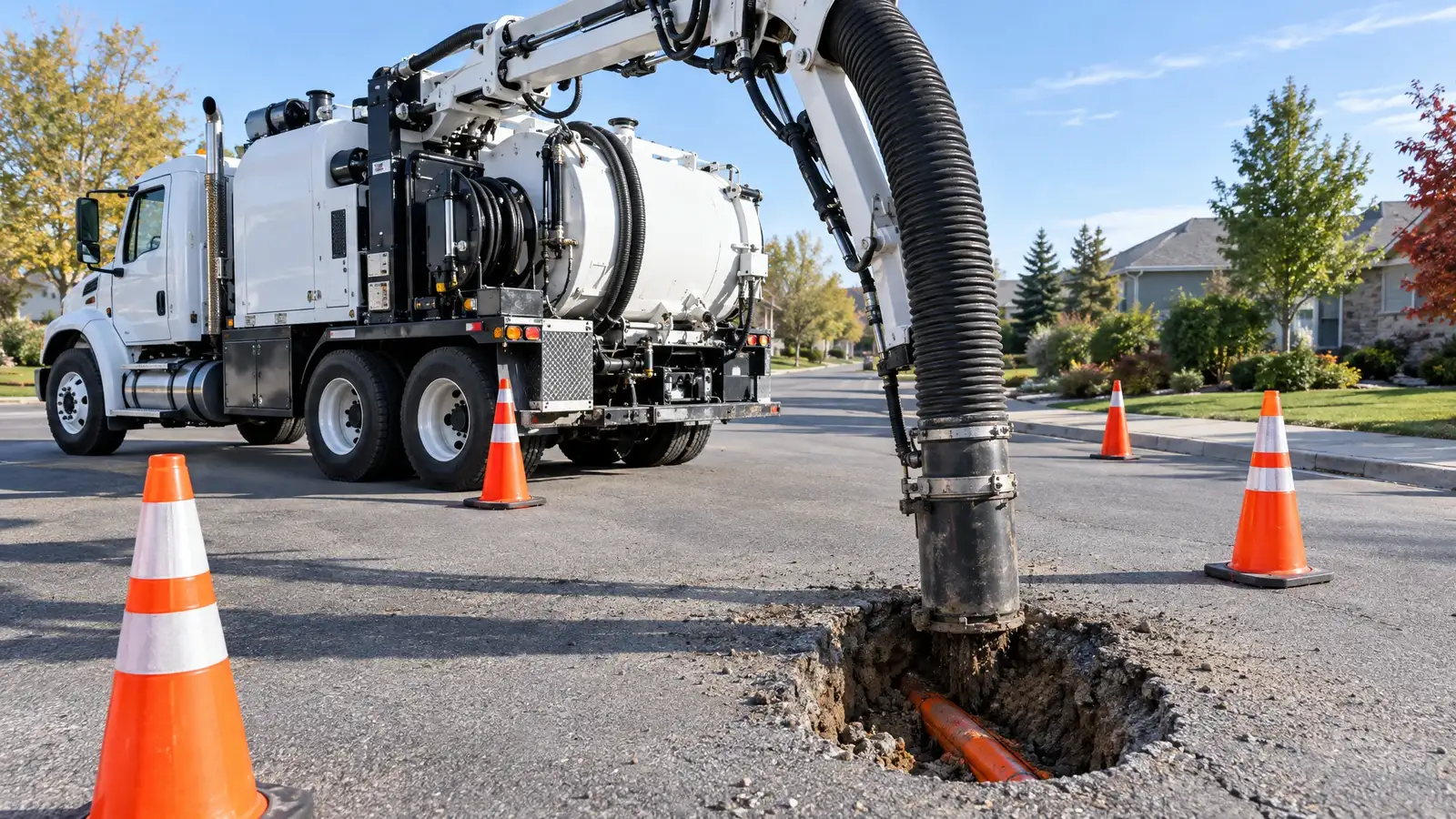
Potholing shows the actual depth of existing lines so designs can be checked.
General information, not engineering, legal or safety advice. Rules and requirements vary by utility, city and county.