The short version
- Mini excavators fit tight yards and work around structures
- Larger excavators dig deeper and move more soil
- Trenchers cut narrow, consistent trenches fast
- Loaders and dozers move, spread and shape material
Mini and compact excavators
Compact excavators work in side yards, backyards and tight spots where a large machine cannot go. They are gentle on lawns when fitted with the right tracks and can dig surprisingly deep for their size.
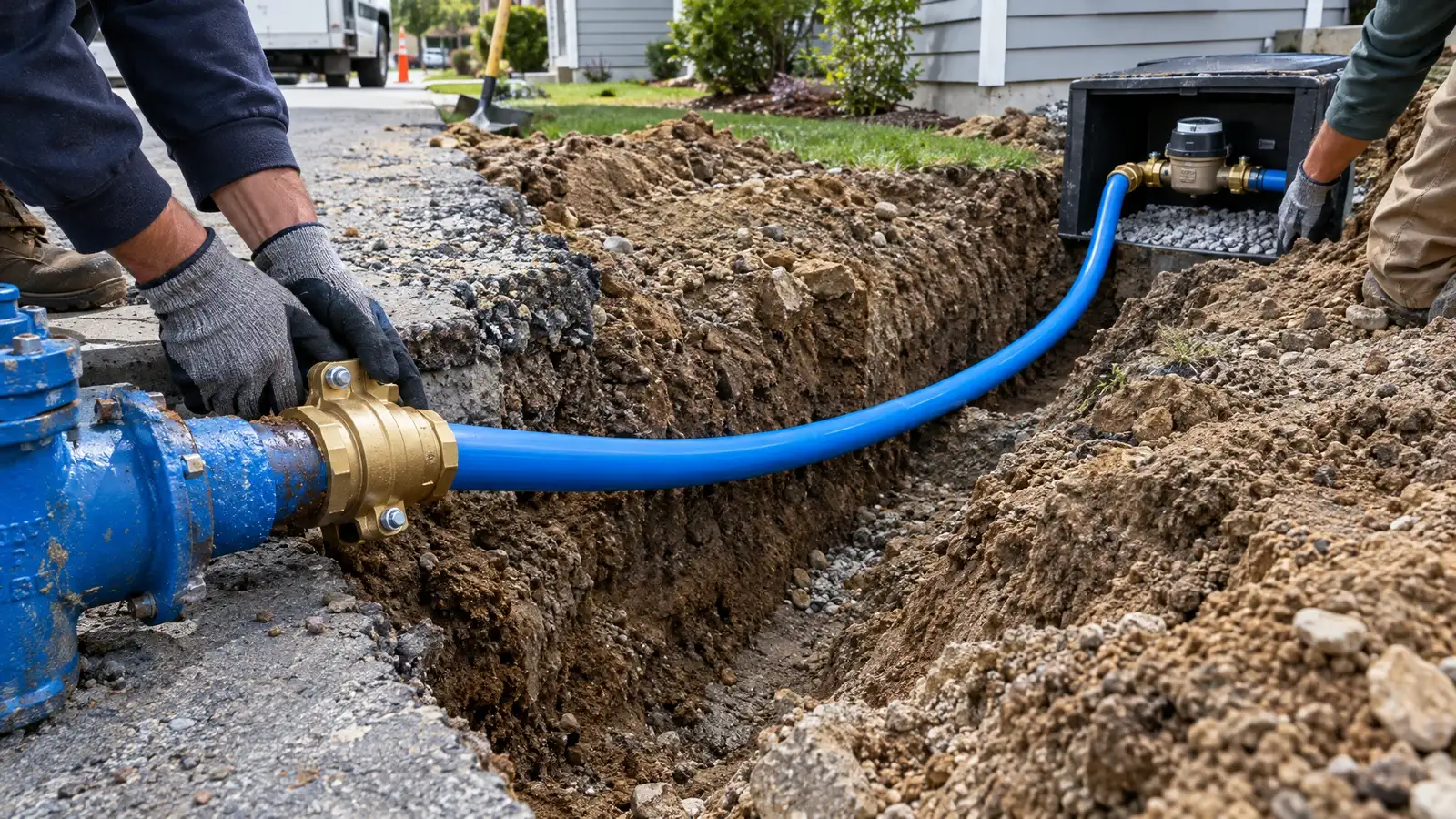
They are ideal for service lines, small foundations, drainage work and repairs close to the house.
Midsize and large excavators
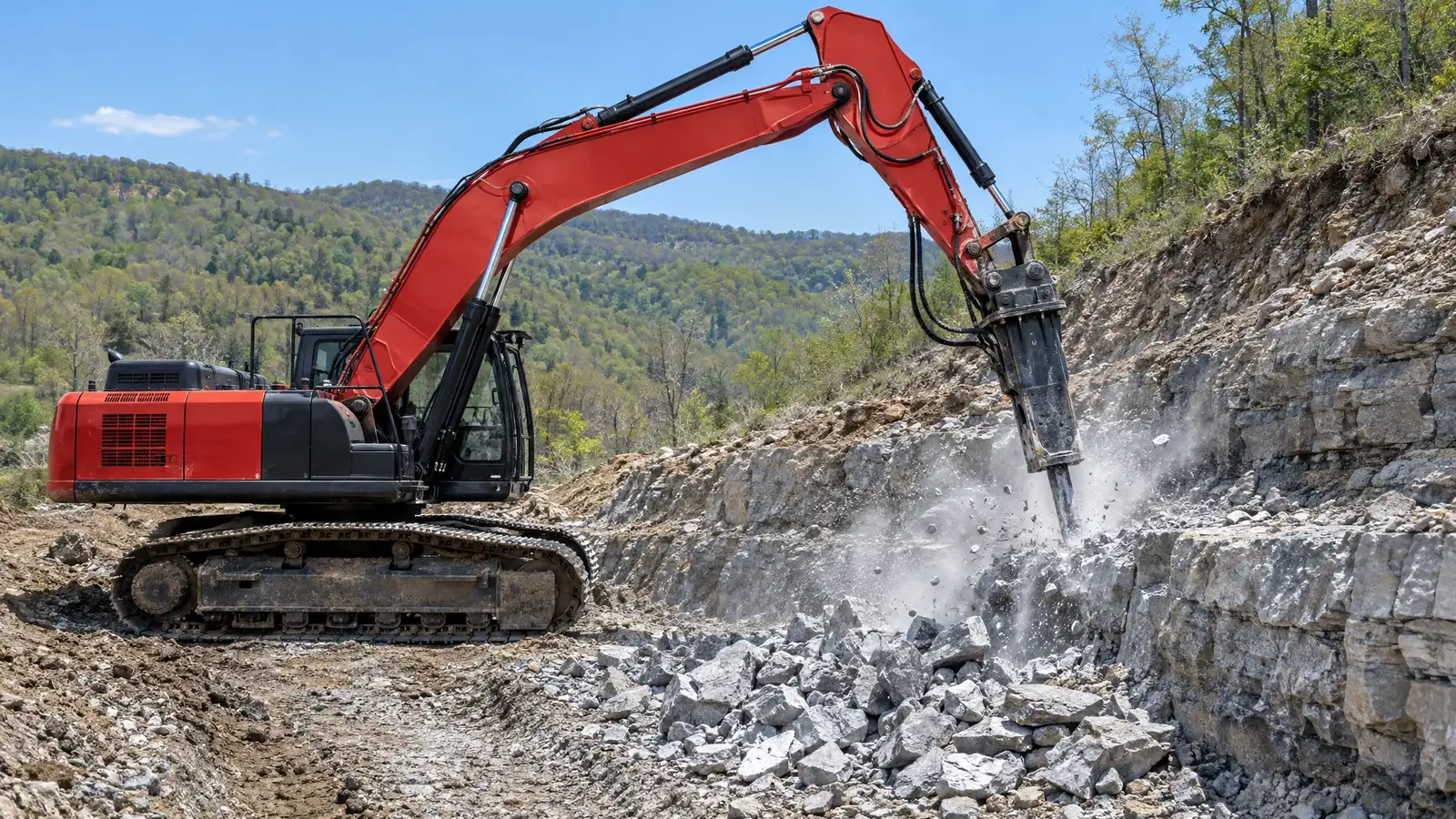
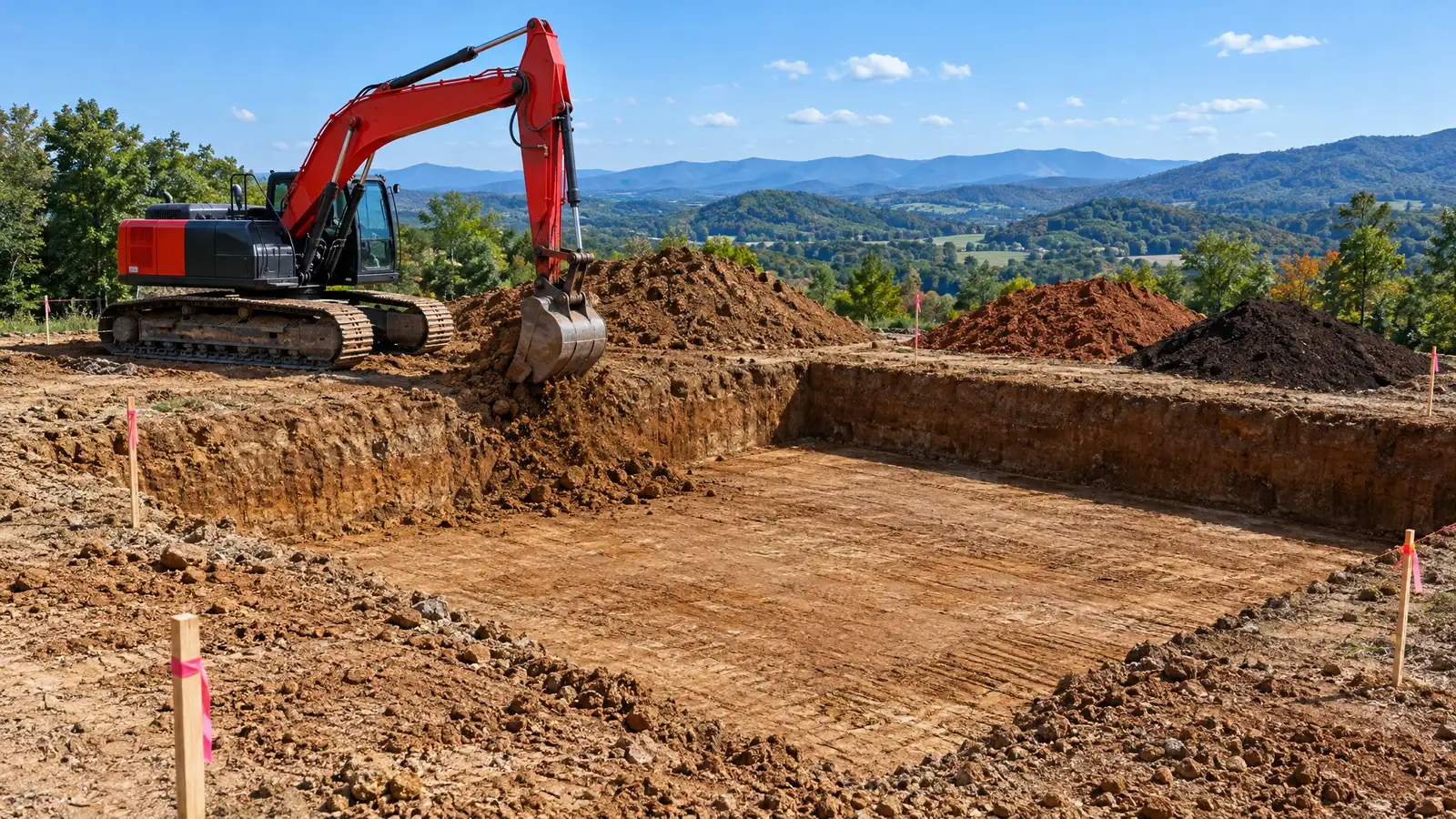
Bigger machines dig basements, large trenches, pads and ponds quickly. They reach deeper, lift heavier pipe and structures and carry attachments like hammers and thumbs.
They need space to work and to be hauled in, so access matters.
Trenchers and rock wheels
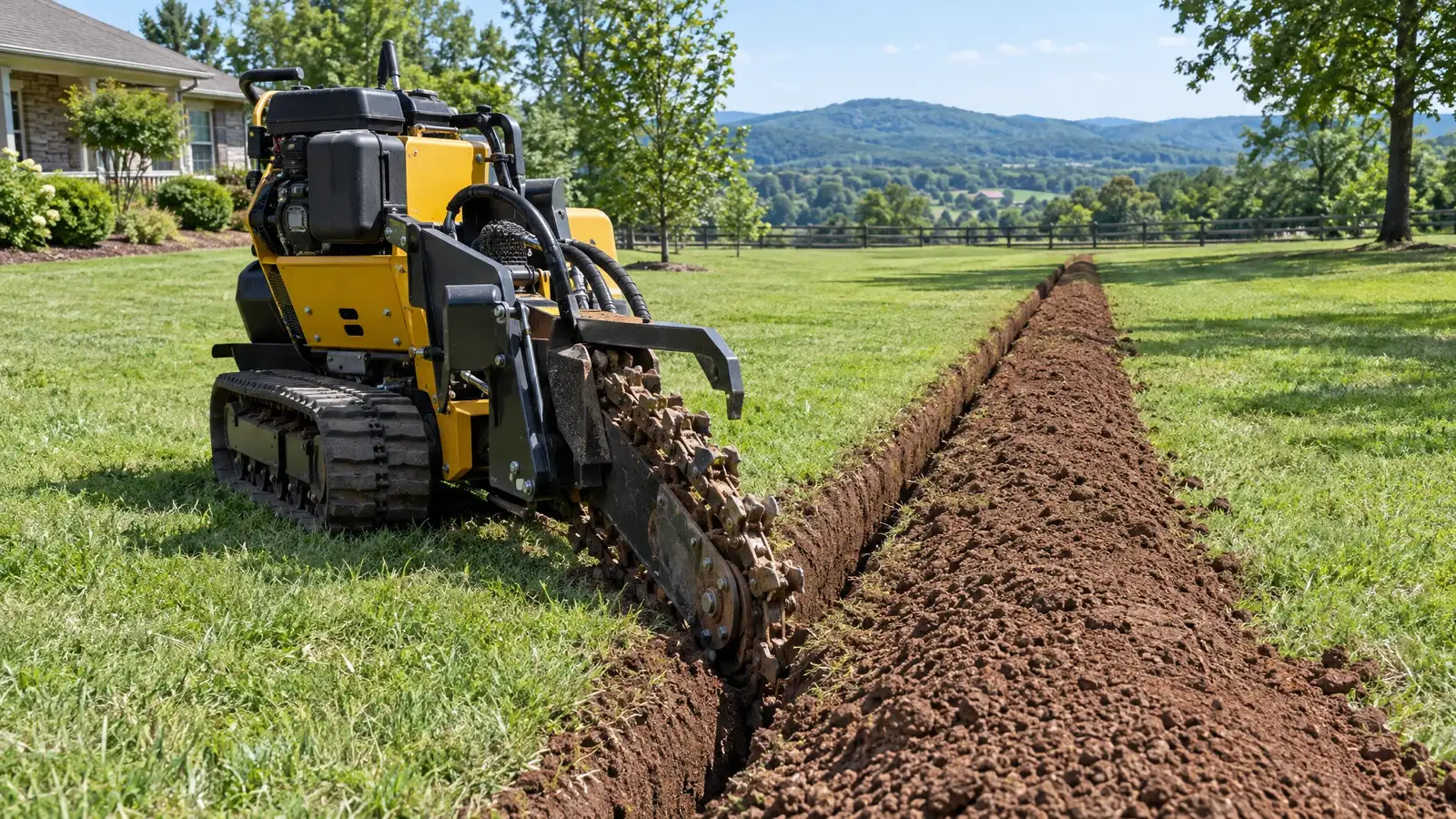
A chain trencher cuts a narrow, consistent trench across open ground, which is perfect for conduit, irrigation and small water lines. A rock wheel does the same in harder ground.
They are less useful around roots, tight corners and existing lines.
Loaders, dozers and trucks
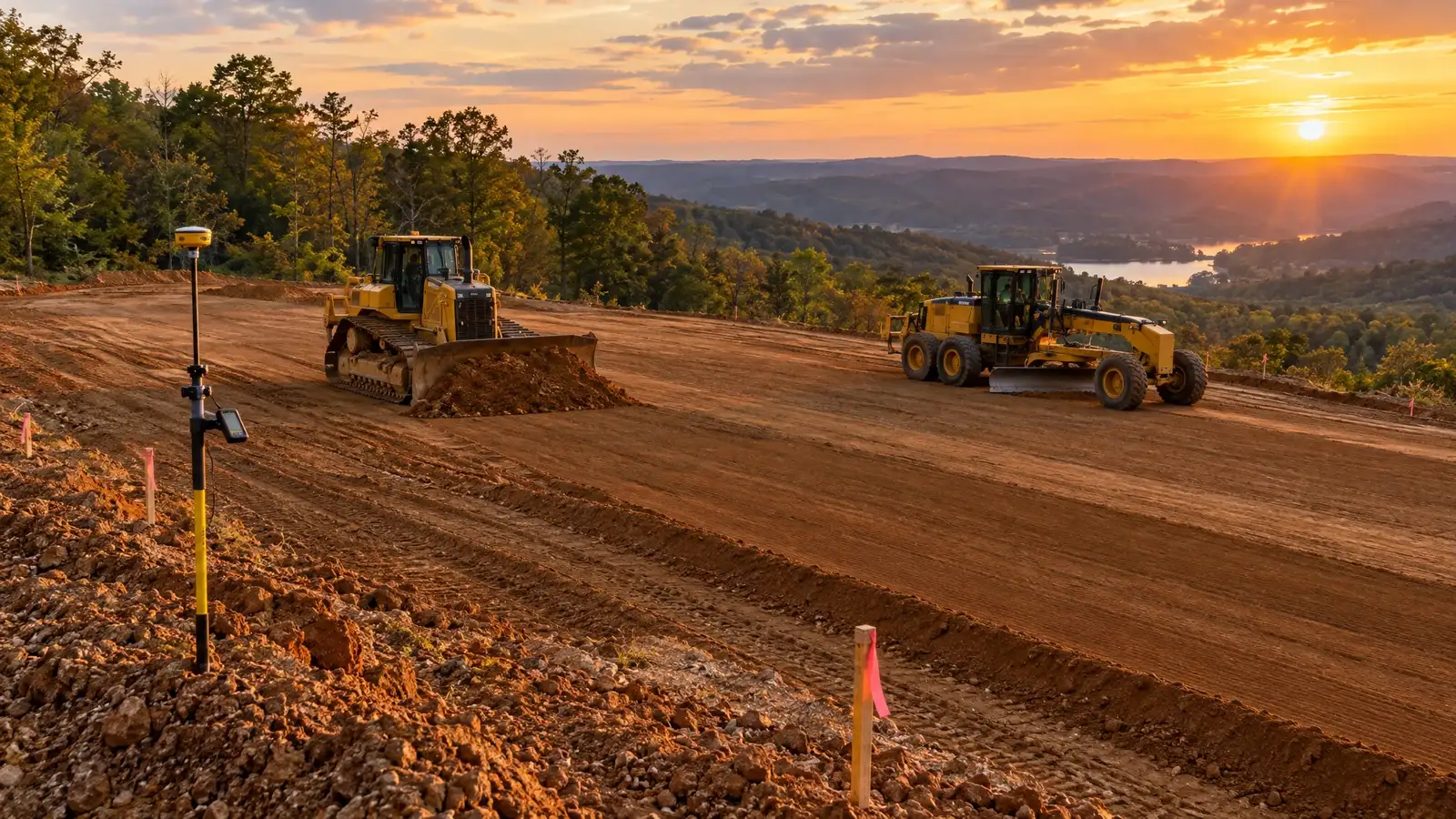
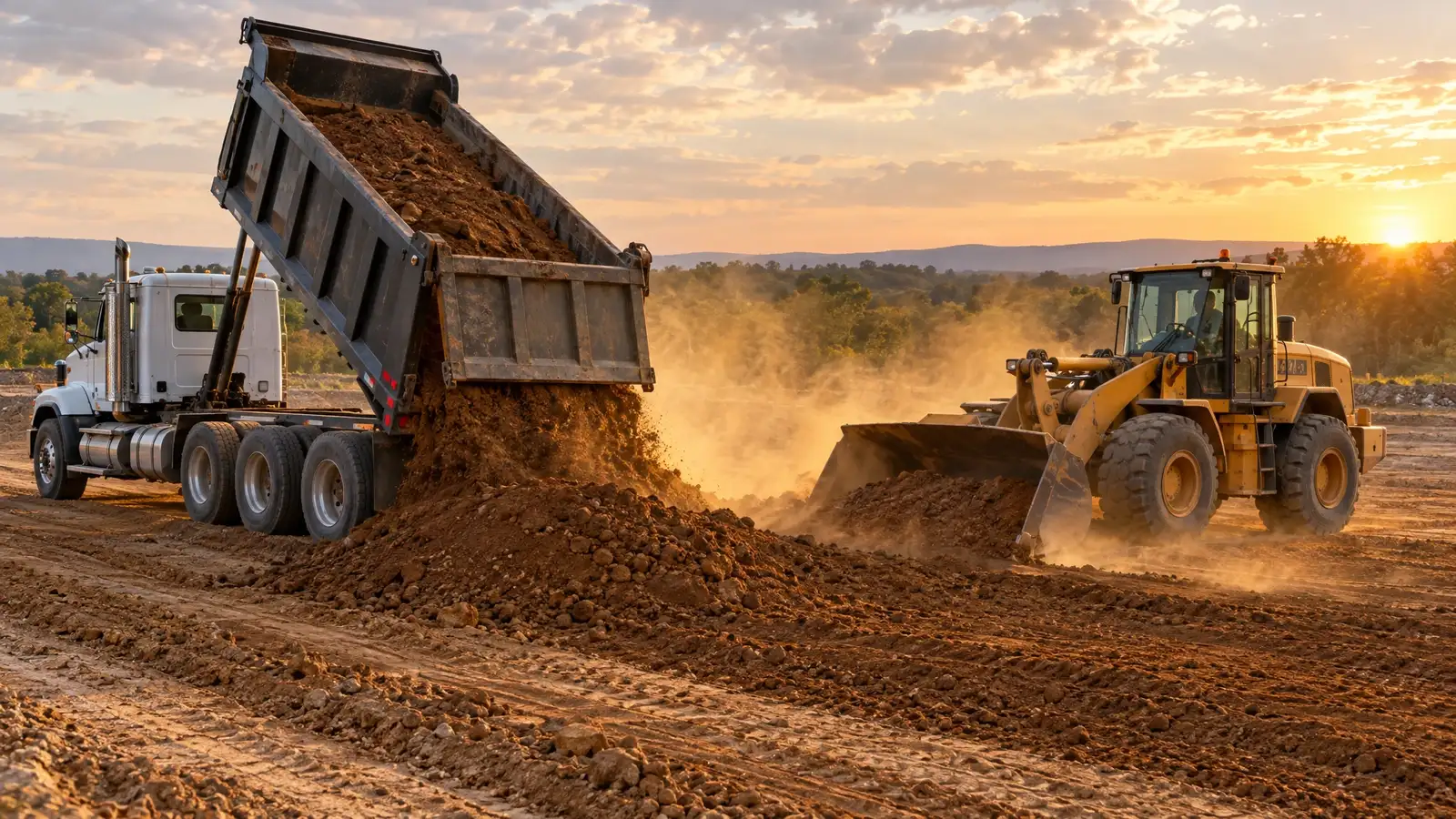
Wheel loaders and skid steers move and load material. Dozers shape pads, roads and slopes. Dump trucks carry spoil, stone and fill to and from the site. Rollers and compactors finish the base.
The right mix depends on the job, the soil and what the site allows.
General information, not engineering, legal or safety advice. Rules and requirements vary by utility, city and county.