The short version
- Rock can be close to the surface in much of Middle Tennessee
- Probing before digging avoids surprises
- Hammering, ripping and rock wheels are the usual tools
- Rerouting is sometimes cheaper than breaking rock
Why rock is a surprise
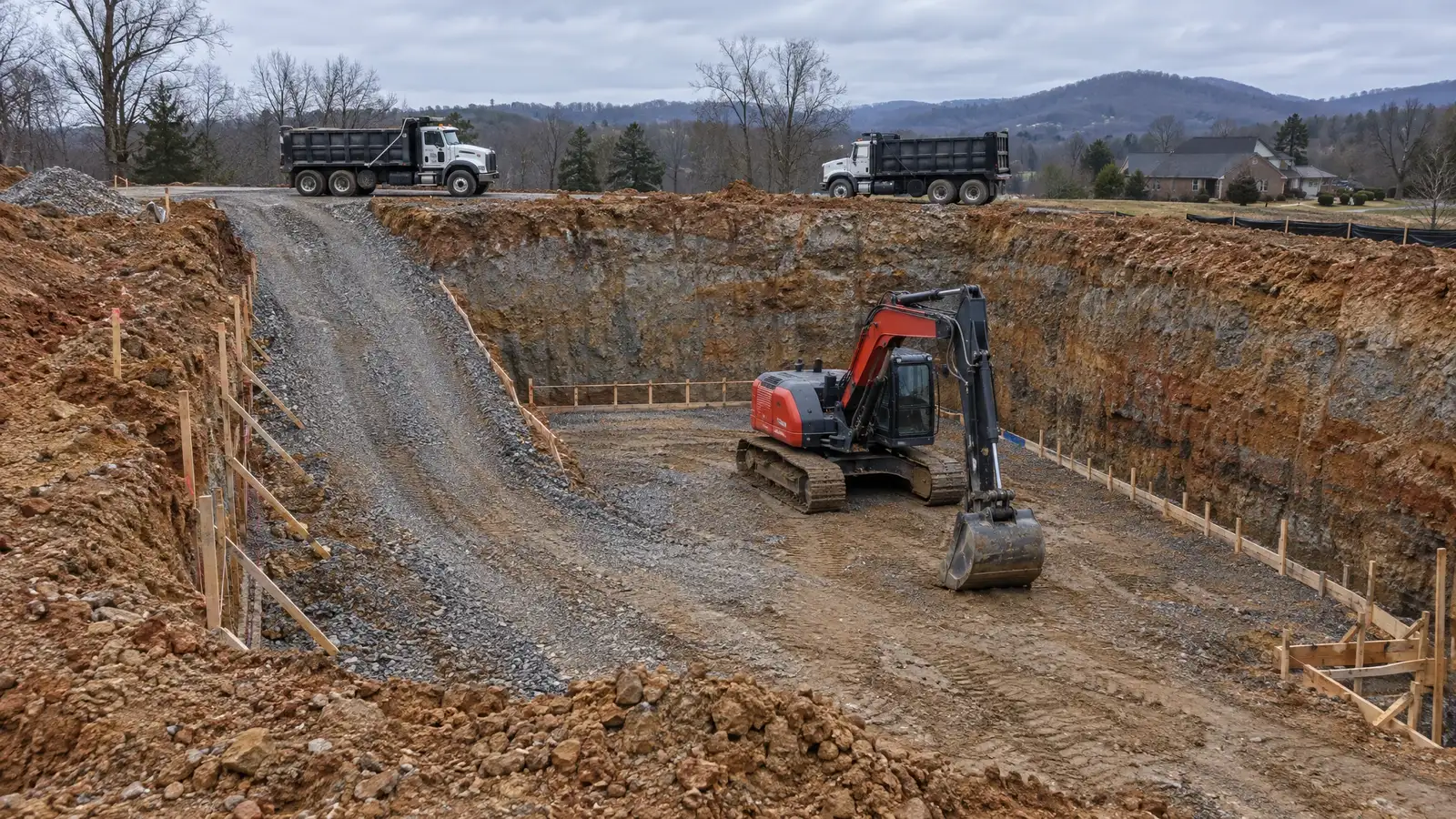
Rock does not announce itself. A trench can pass through easy soil for 40 feet and then hit a ledge. Bedrock in the Nashville area, which is largely limestone, can be only a few feet below the surface, and the depth can change over a short distance.
When rock appears, time, equipment wear and cost all change.
Finding it early
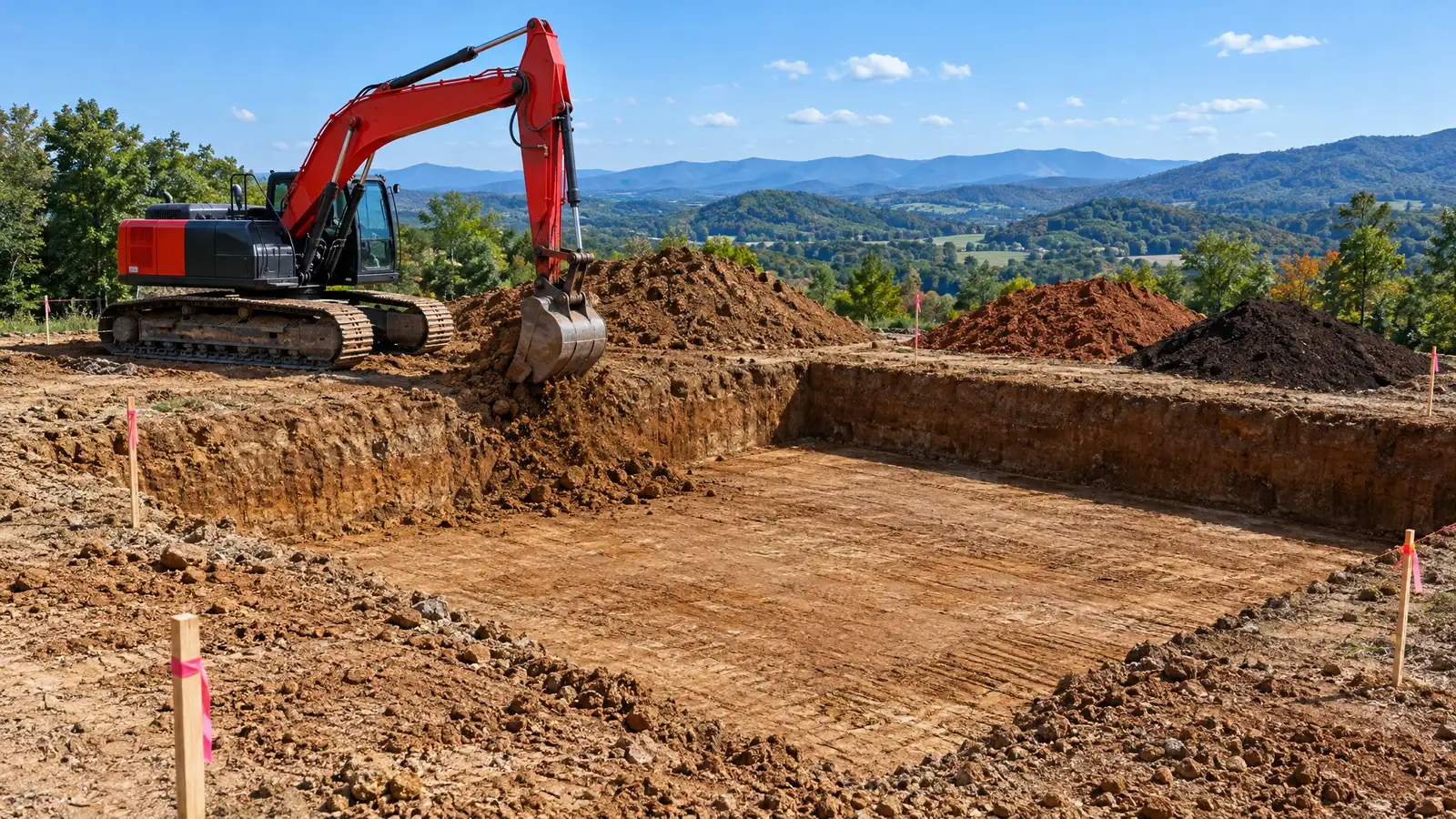
Test digs, probes and local knowledge help predict where rock sits. For a long utility route or a basement, probing at several points gives a good map. It is a small step that pays for itself.
Ask the contractor how they plan for rock before the job begins.
How rock is removed
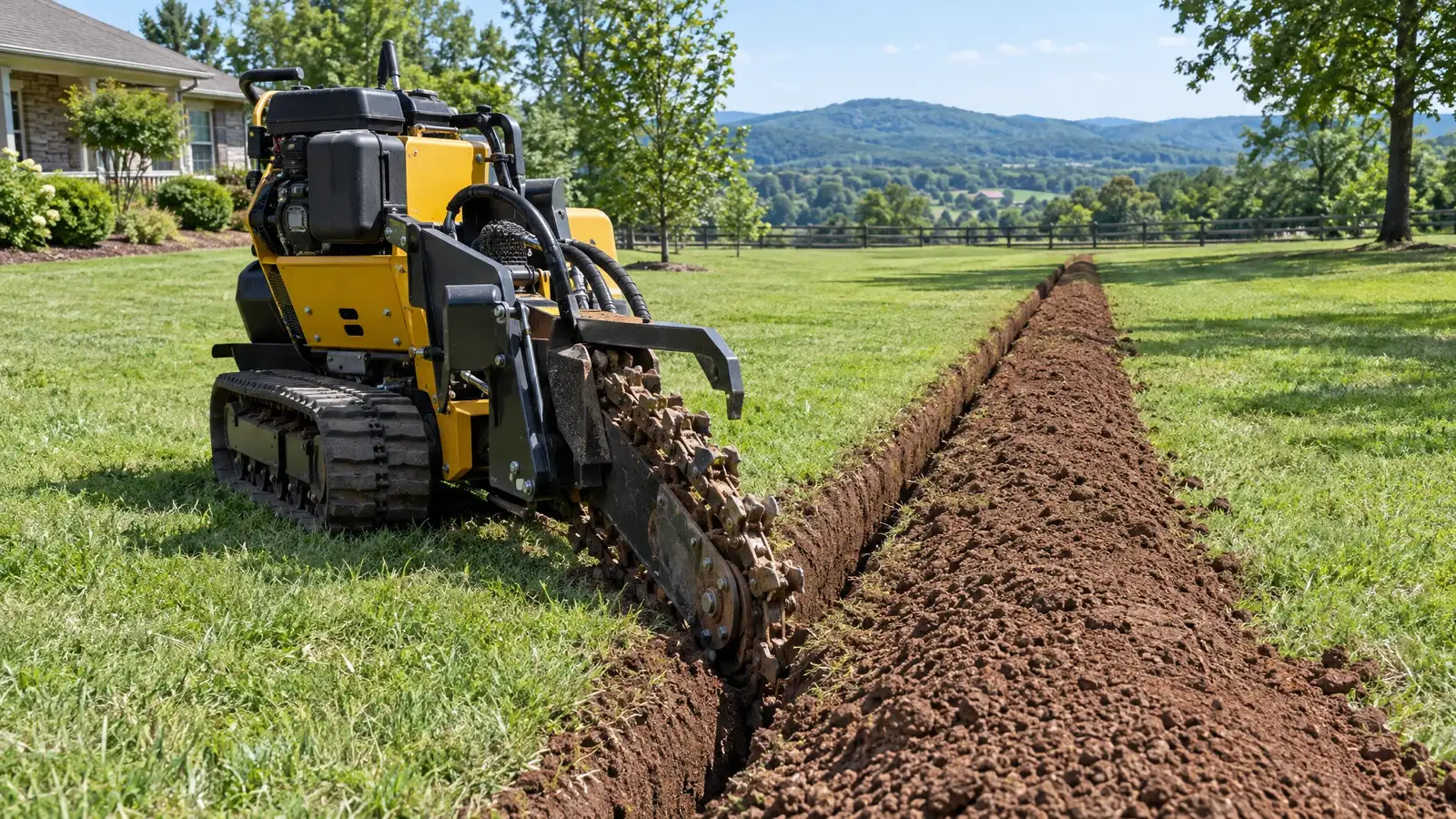
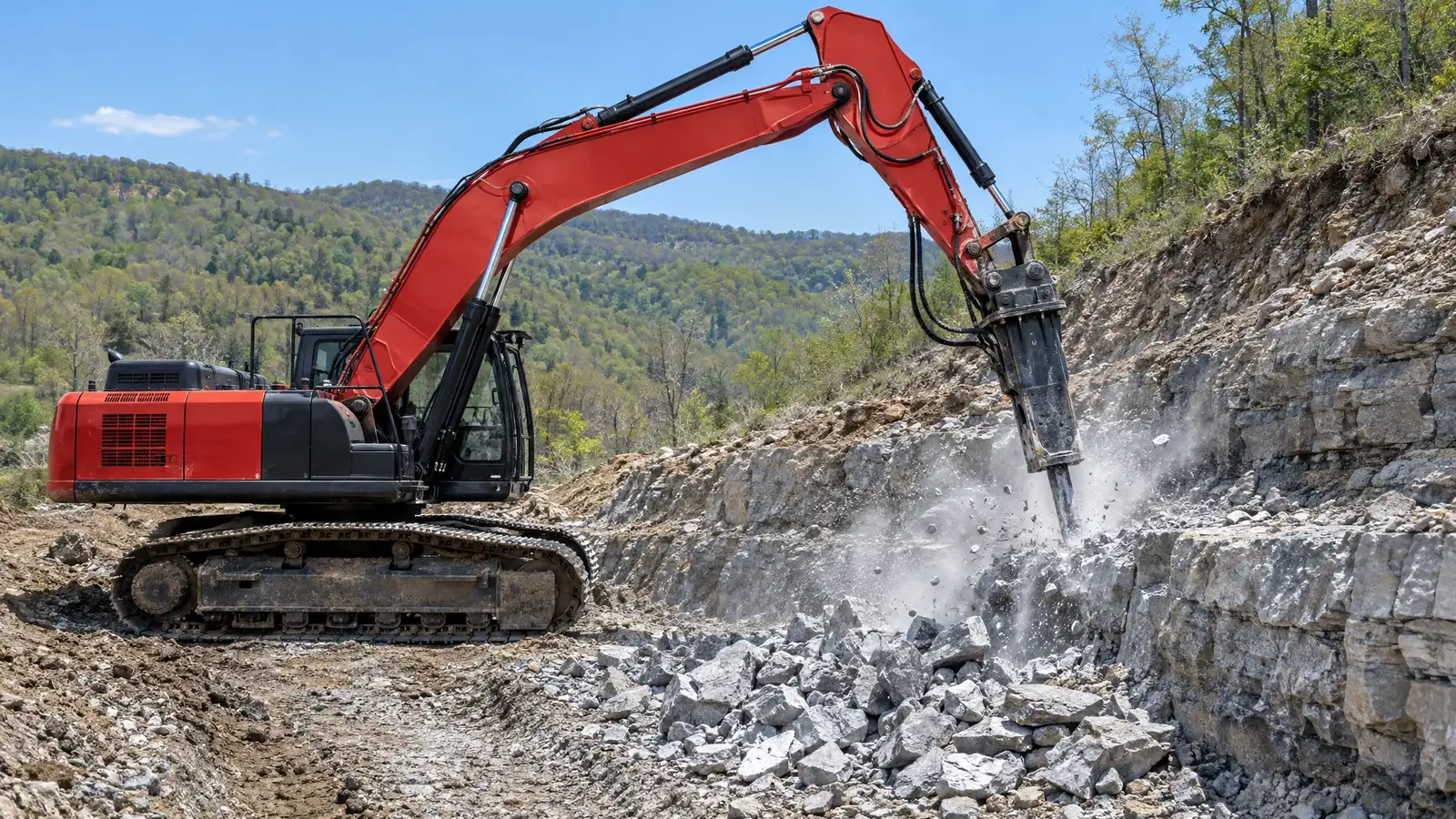
Hydraulic hammers break rock in place, rippers tear softer or fractured layers and rock wheels cut trenches. Very large amounts of solid rock may be handled by a licensed blasting contractor, which is a separate trade with its own rules.
Broken rock is hauled away or reused as fill where it is suitable.
Alternatives
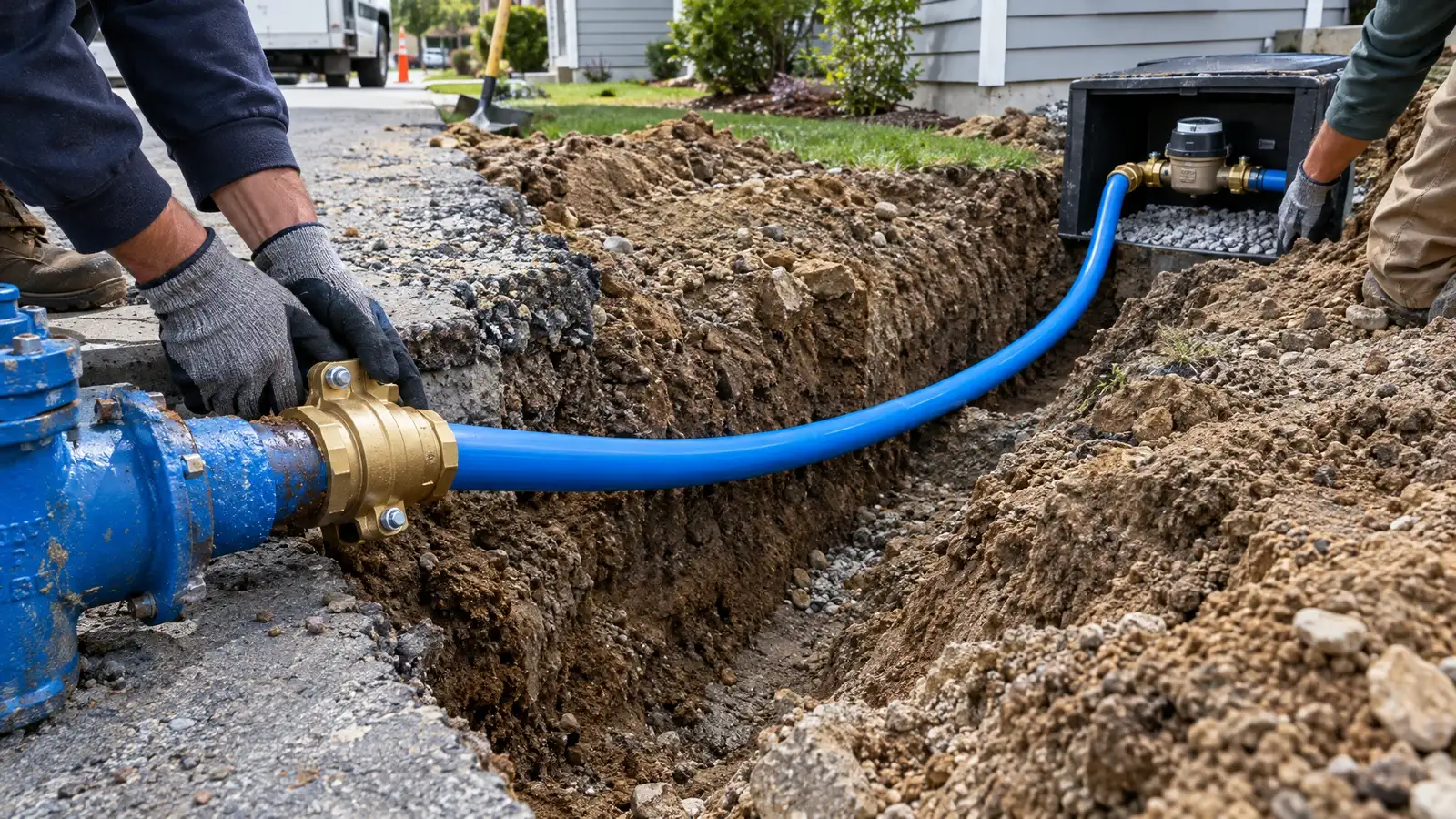
Sometimes the best answer is to avoid the rock: move a line, change a depth, build up instead of down or bore a different path. The cost of breaking rock can outweigh the cost of a design change.
A good contractor will lay out the choices with their trade-offs.
General information, not engineering, legal or safety advice. Rules and requirements vary by utility, city and county.