The short version
- Boring protects what is on the surface
- Trenching is simpler and often cheaper over open ground
- Gravity pipe usually needs a trench for grade
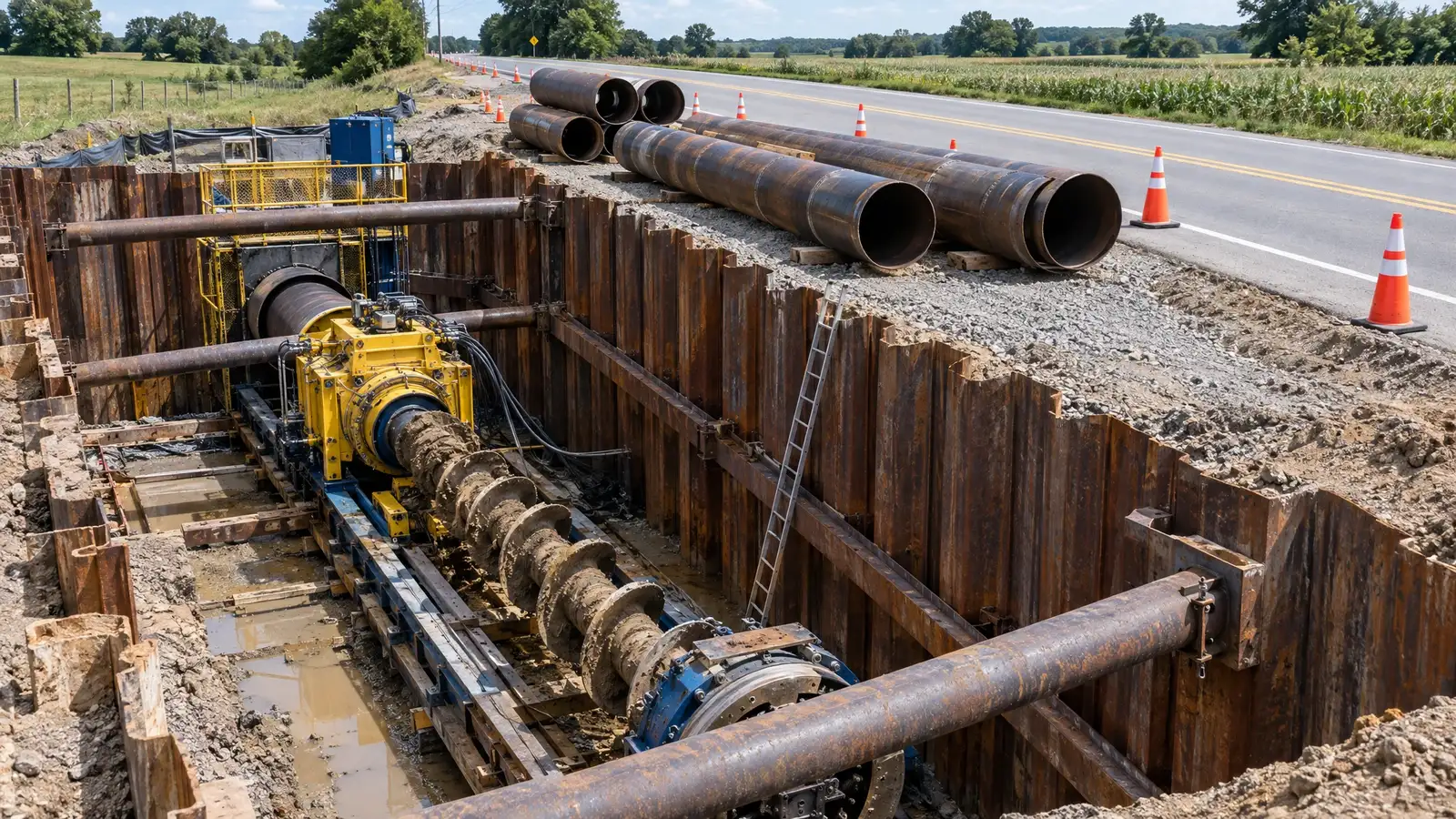
- Crossings are the usual place to bore
When boring wins
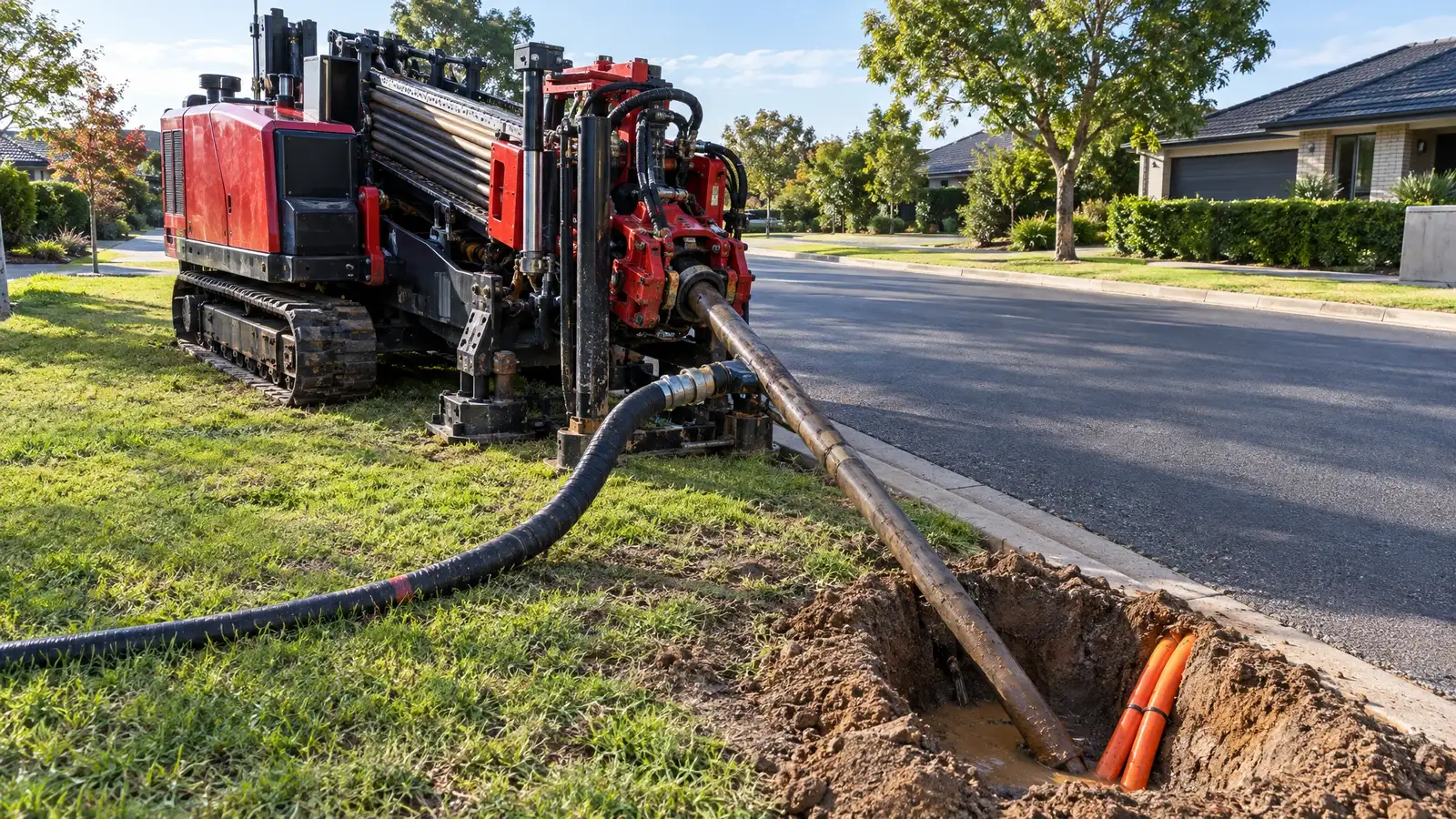
Boring is the natural choice when the route crosses something expensive to cut or restore: a driveway, a road, a patio, mature trees or a creek. It leaves the surface mostly alone, with only entry and exit pits.
For long runs of conduit, it can also be faster.
When trenching wins
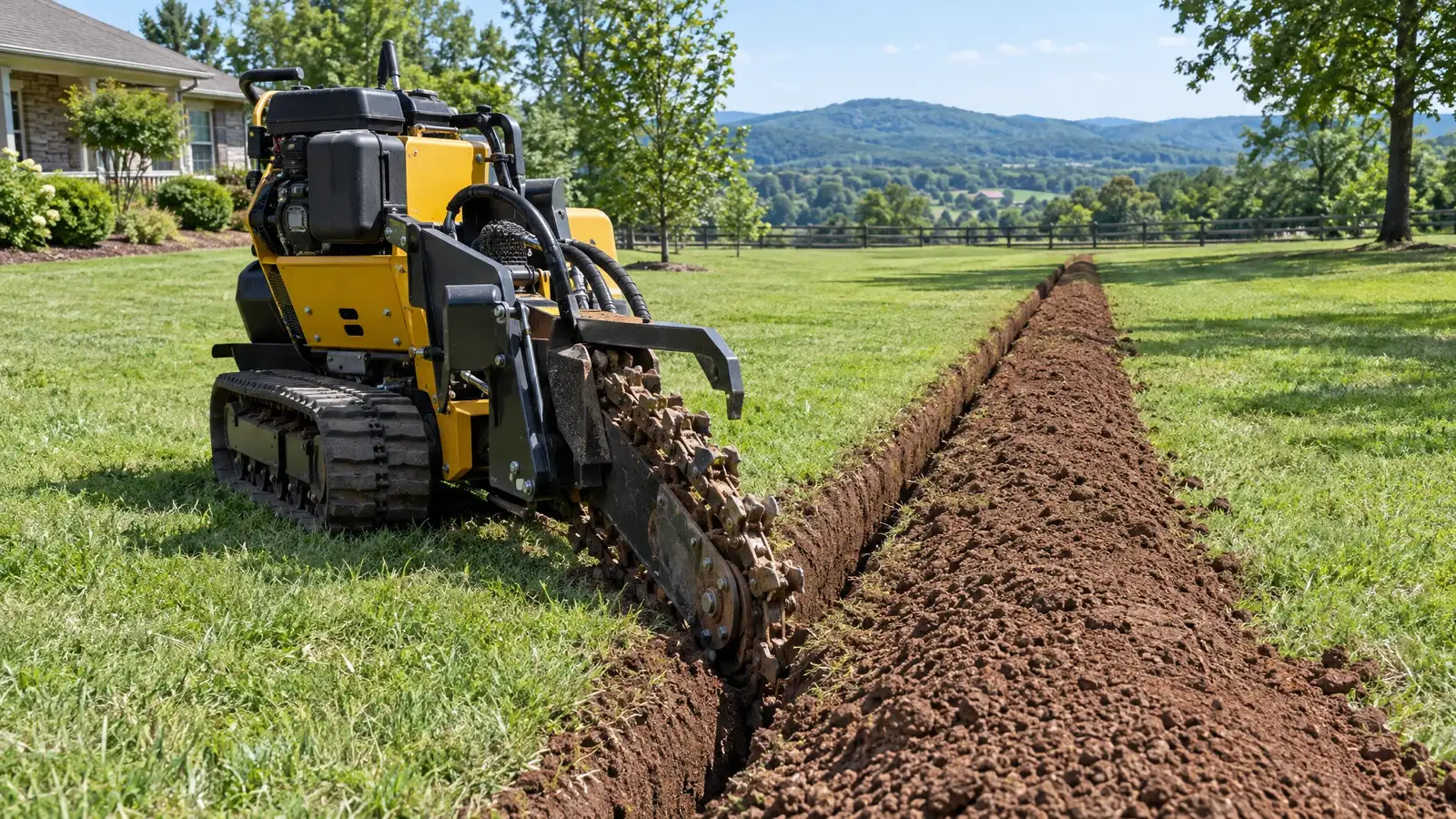
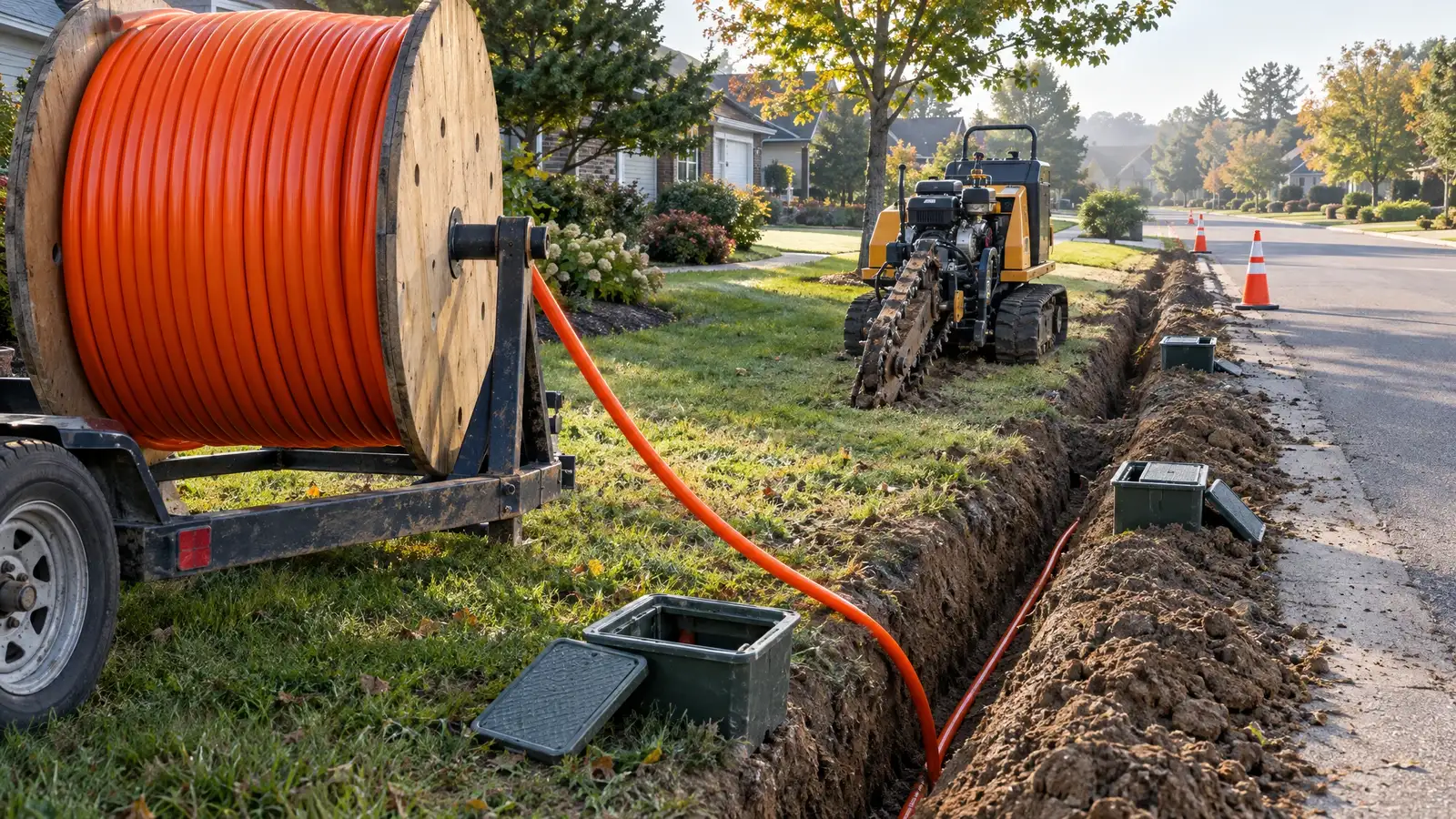
Over open lawn or pasture with no obstacles, a trencher is quick and inexpensive, and the line is easy to inspect and mark. For pipe that needs exact grade, like gravity sewer, trenching is usually necessary.
Rock can slow either method.
Mixing both
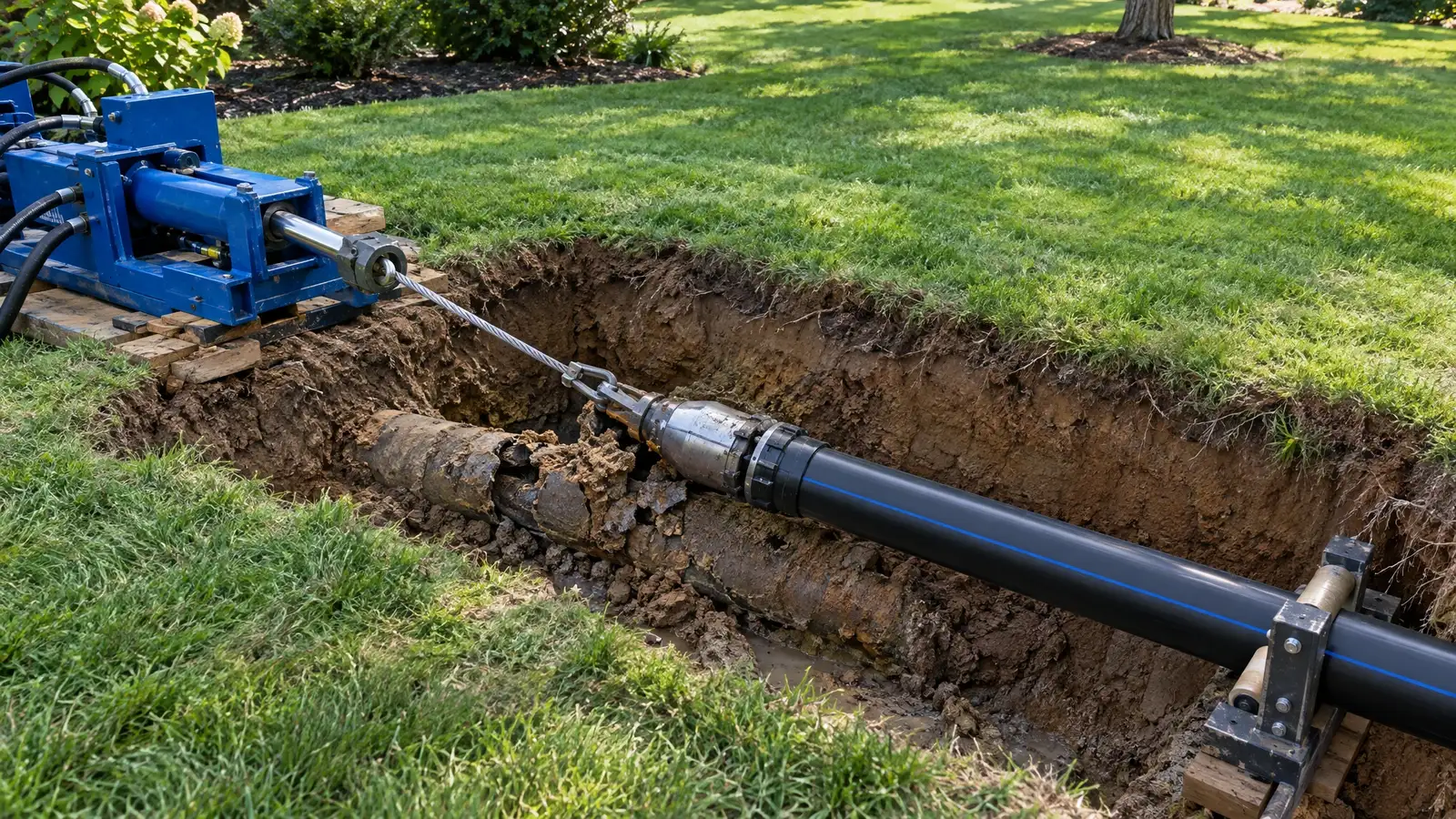
Many jobs use both: trench across open ground and bore under the driveway or road. The line is joined at the pits. This gives the efficiency of a trencher and the protection of a bore where it matters.
A good plan assigns each segment to the method that suits it.
Questions that decide it
What is on the surface along the route? How deep must the line be? Is the pipe flexible? What does the soil look like? Are there other utilities to cross? What does restoration cost?
Answers to those questions, not habit, decide the method. Our Dig or Bore tool walks through them.
General information, not engineering, legal or safety advice. Rules and requirements vary by utility, city and county.