811Call before you dig. Every time.Underground utilities & excavation · Nashville and Middle TennesseeFree toolsWhat is under your property?Service areas
How Underground Utilities Age, and What Fails First
GUIDE · Underground Utilities 101 · 2 min read

How Underground Utilities Age, and What Fails First

The materials in the ground, how long they tend to last and the signs of a line coming to the end of its life.

The short version

  • Materials differ: clay, cast iron, galvanized steel, fiber, PVC and polyethylene
  • Age, soil and roots all matter
  • Leaks and slow flow are common early signs
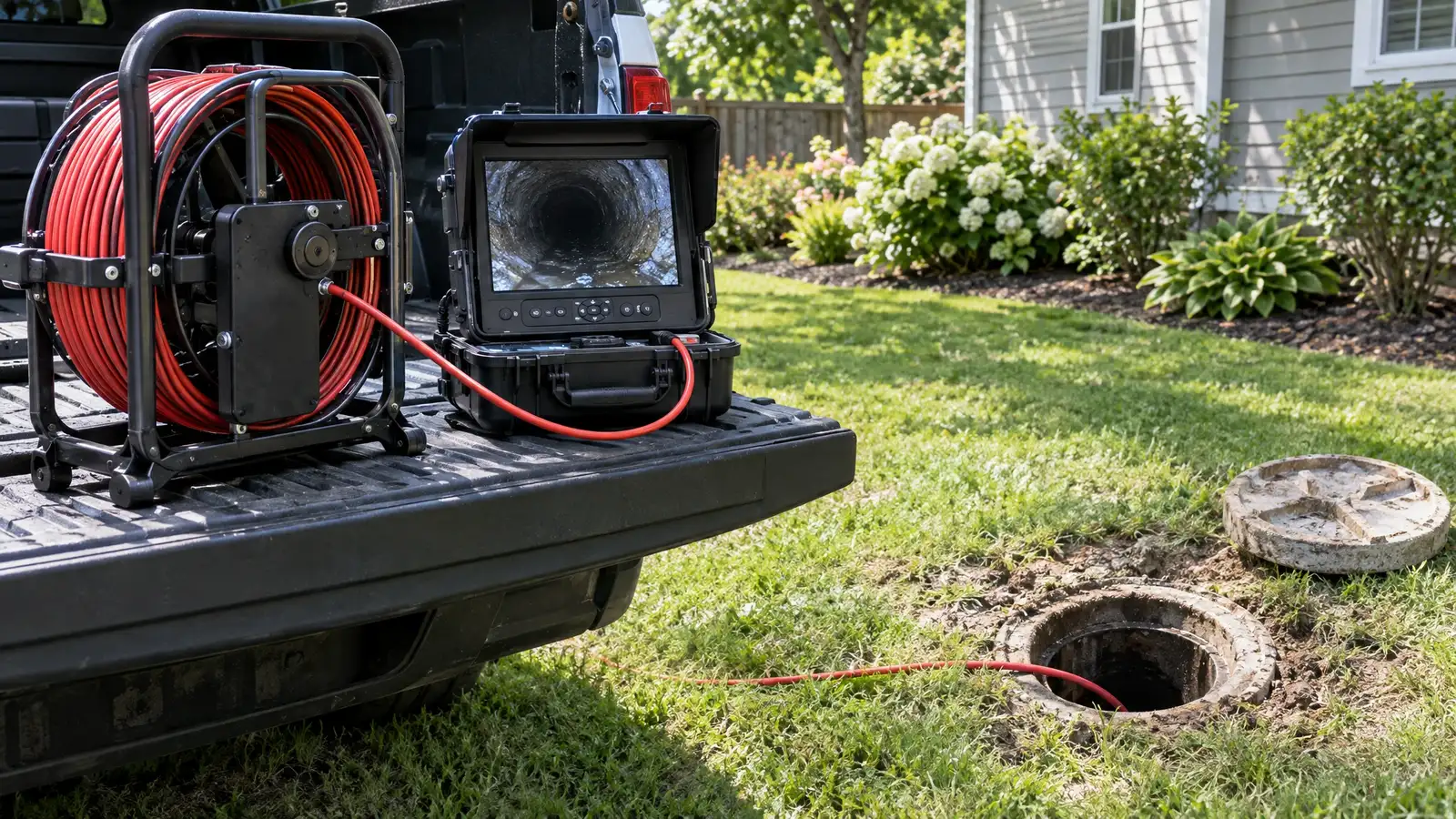
  • A camera inspection shows what is actually happening

What is in the ground

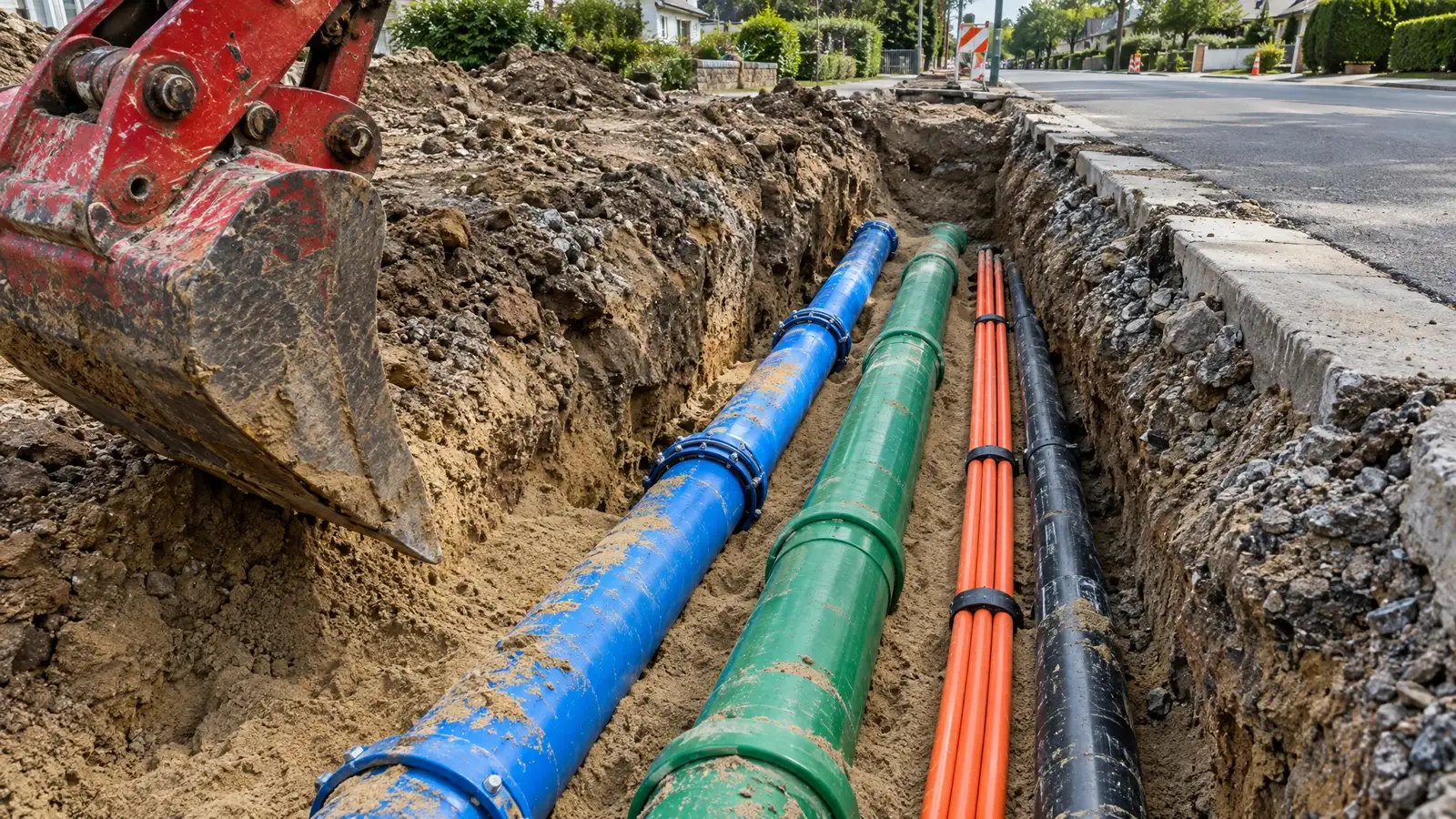
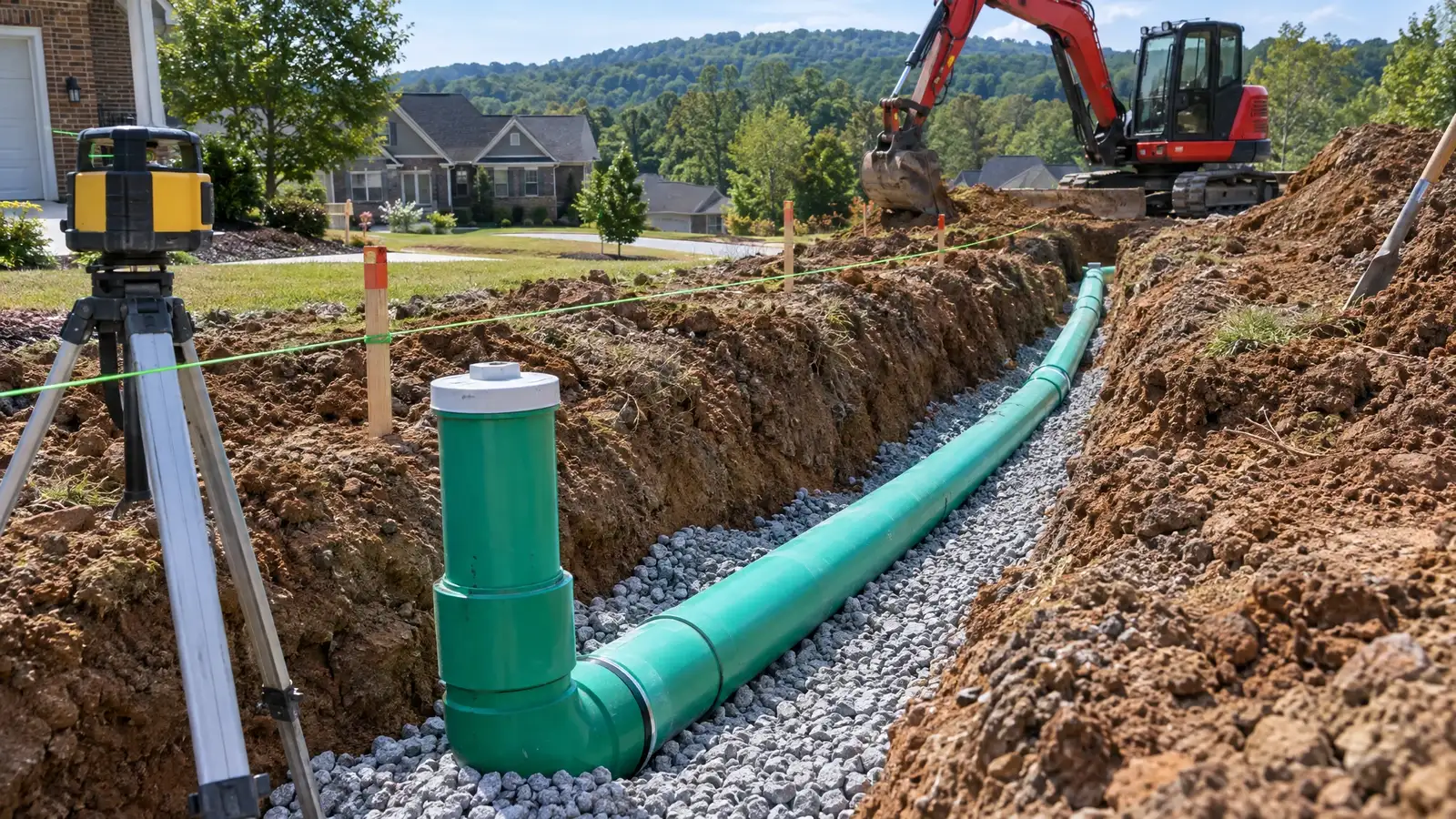
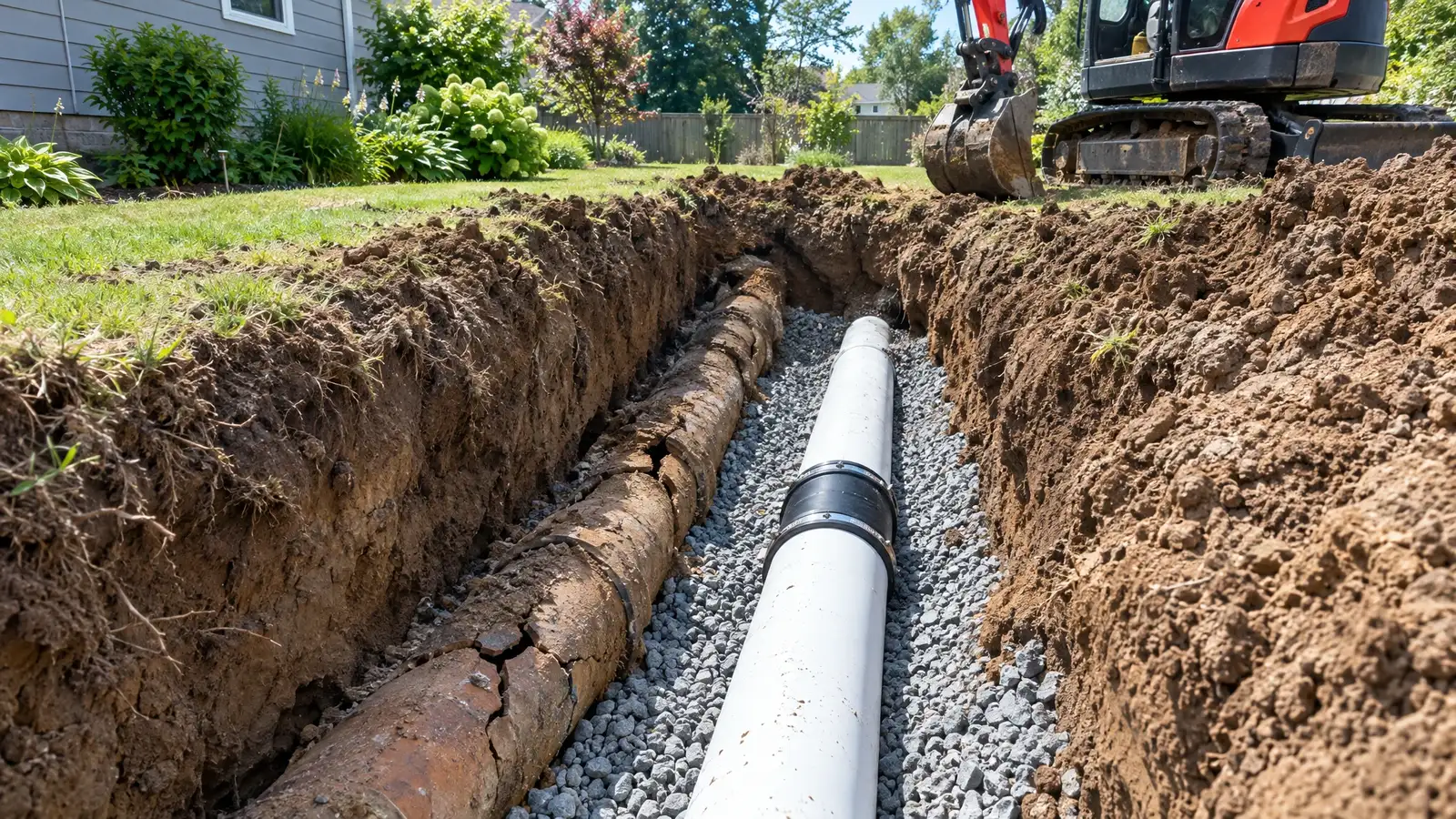
Older homes may have clay or cast iron sewer lines, galvanized steel water lines and fiber conduit pipe. Newer construction usually has PVC for sewer, polyethylene or copper for water and plastic conduit for wiring.

Each material fails in its own way.

How lines fail

Clay cracks and opens at joints, which lets roots in. Cast iron rusts from the inside and the outside. Galvanized steel corrodes and clogs with scale. Fiber pipe softens and deforms. Plastic can crack from rock contact or be crushed by poor backfill.

Movement of soil and heavy loads add stress to every material.

Warning signs

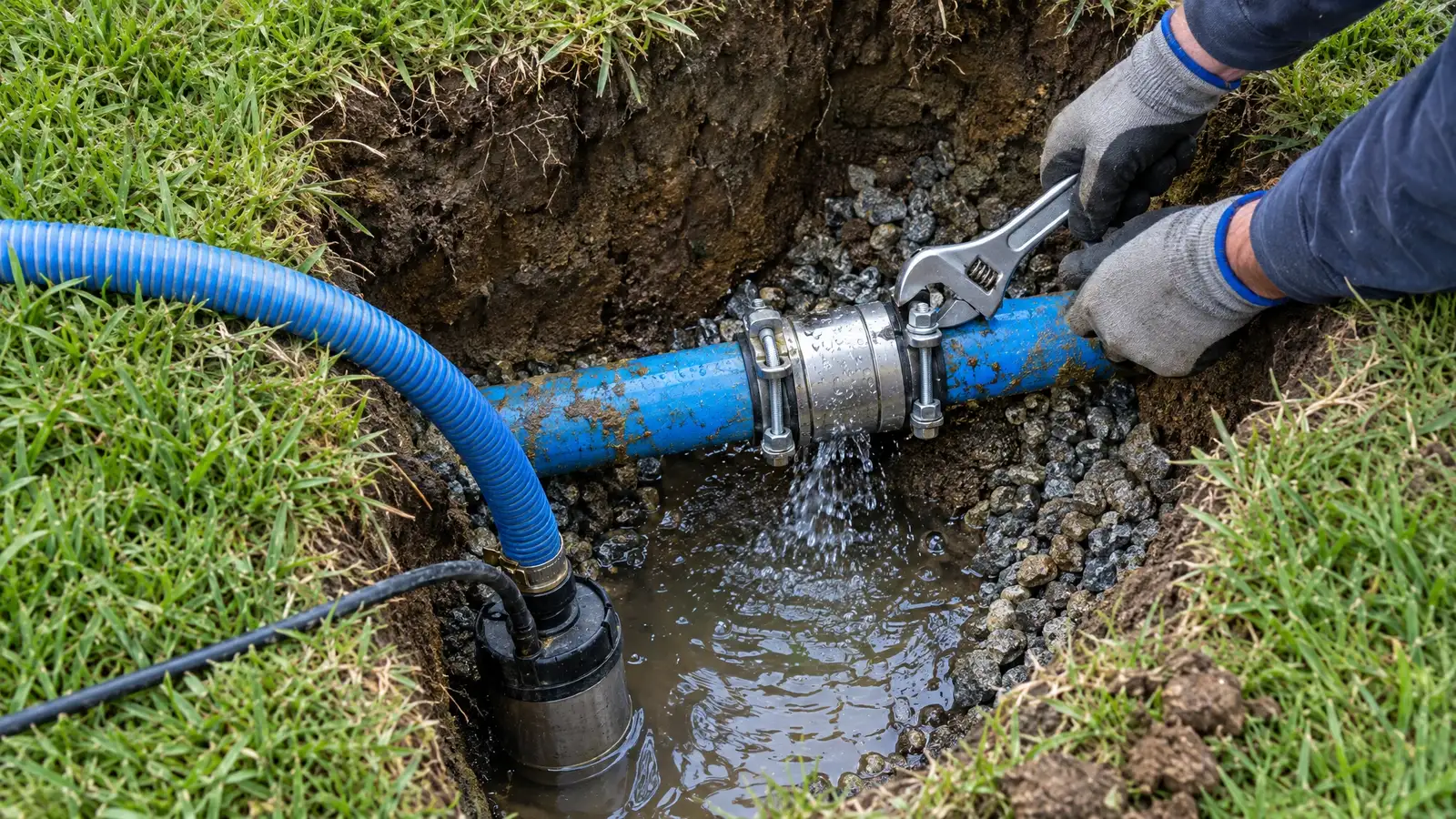
Slow drains, gurgling, odors, wet or sunken ground, lower water pressure, discolored water and sudden jumps in the water bill can all mean a buried line is struggling.

Not every sign is a buried problem, so inspection comes before digging.

What to do

Start with a camera inspection for sewers and a leak check for water lines. The results show whether a repair, a lining or a replacement fits, and how much to dig.

Acting early usually costs less than waiting for a failure at a bad time.

General information, not engineering, legal or safety advice. Rules and requirements vary by utility, city and county.
Questions

About this topic.

How long do underground pipes last?

It varies widely with material, installation quality, soil and use, so we avoid quoting a number. Inspection tells more than age alone.

Should I replace an old line before it fails?

Often it is wise, especially when you are already planning excavation or landscaping. A camera inspection helps you decide.

Call 811. Then call us.

Tell us what you are building, fixing or draining and we will suggest a site visit and a plan. The lines get located before the bucket moves.

Request a quote

Call 811. Then call us.

Tell us what you are building, fixing or draining and we will reply with a suggested site visit and a plan. The lines get located before the bucket moves.

Prefer to talk? Call us(615) 393-6985
  • Locates coordinated before any digging
  • Options explained, including the ones that cost more or less
  • The scope and price explained before work begins

Request your quote

We read every request and reply with a suggested next step.

Your details go straight to our team and are never sold. Prefer to talk? Call (615) 393-6985.

CallGet a Quote