The short version
- They install and repair buried water, sewer, storm, conduit and communications lines
- The work starts with locating what is already in the ground
- Trench quality, bedding and backfill decide how long a line lasts
- Utilities often make the final tap or meter connection themselves
The short version
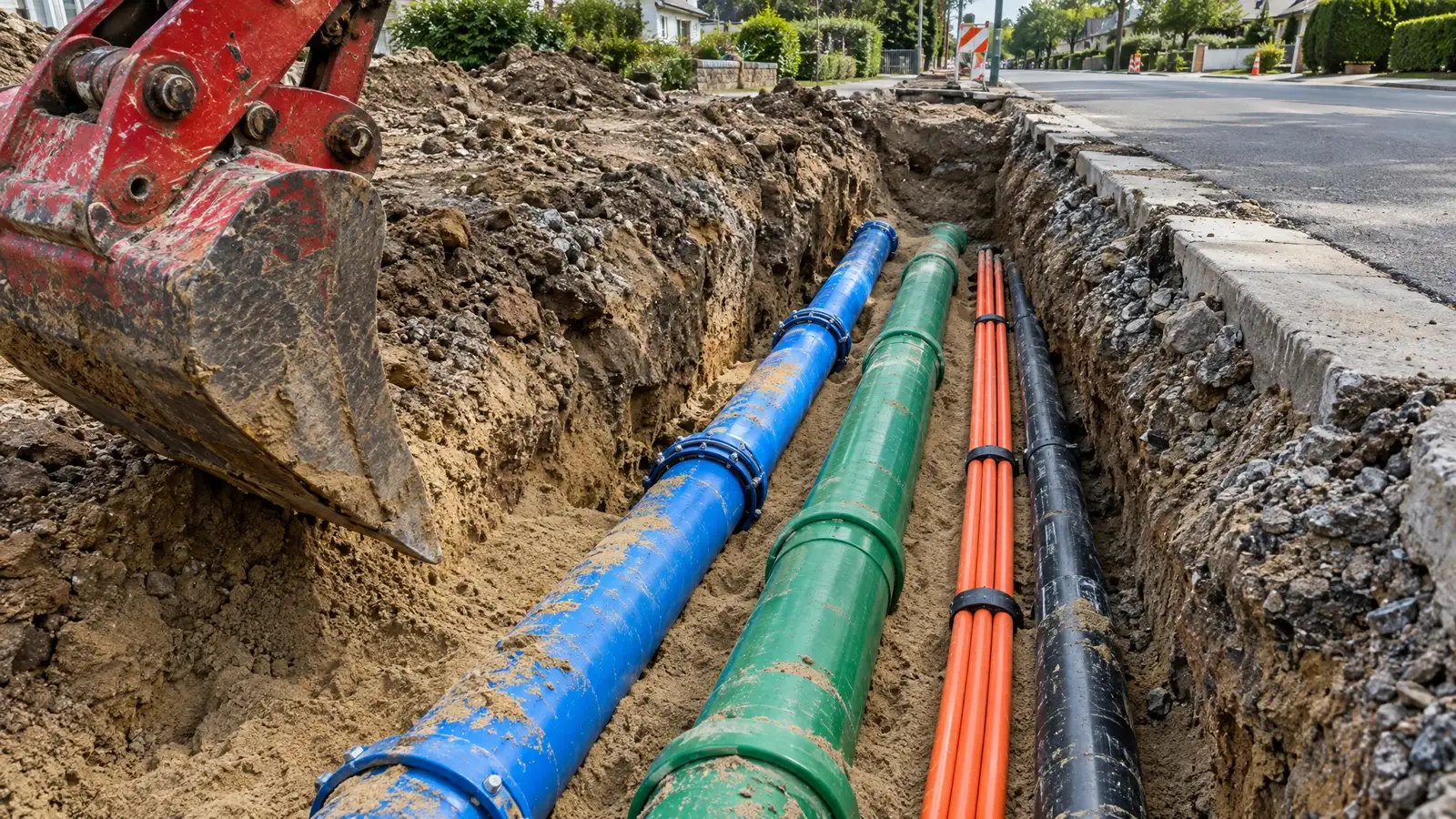
An underground utility contractor installs, repairs and replaces the lines that run below the surface of a property: the water that comes in, the sewer and storm lines that carry water away, the conduit for power and data and, with the right partners, gas service. The work is mostly excavation, pipe laying and restoration.
Most of it is invisible once finished, which is why the careful steps matter: locating, trench depth, bedding, compaction and a restored surface.
What they actually do
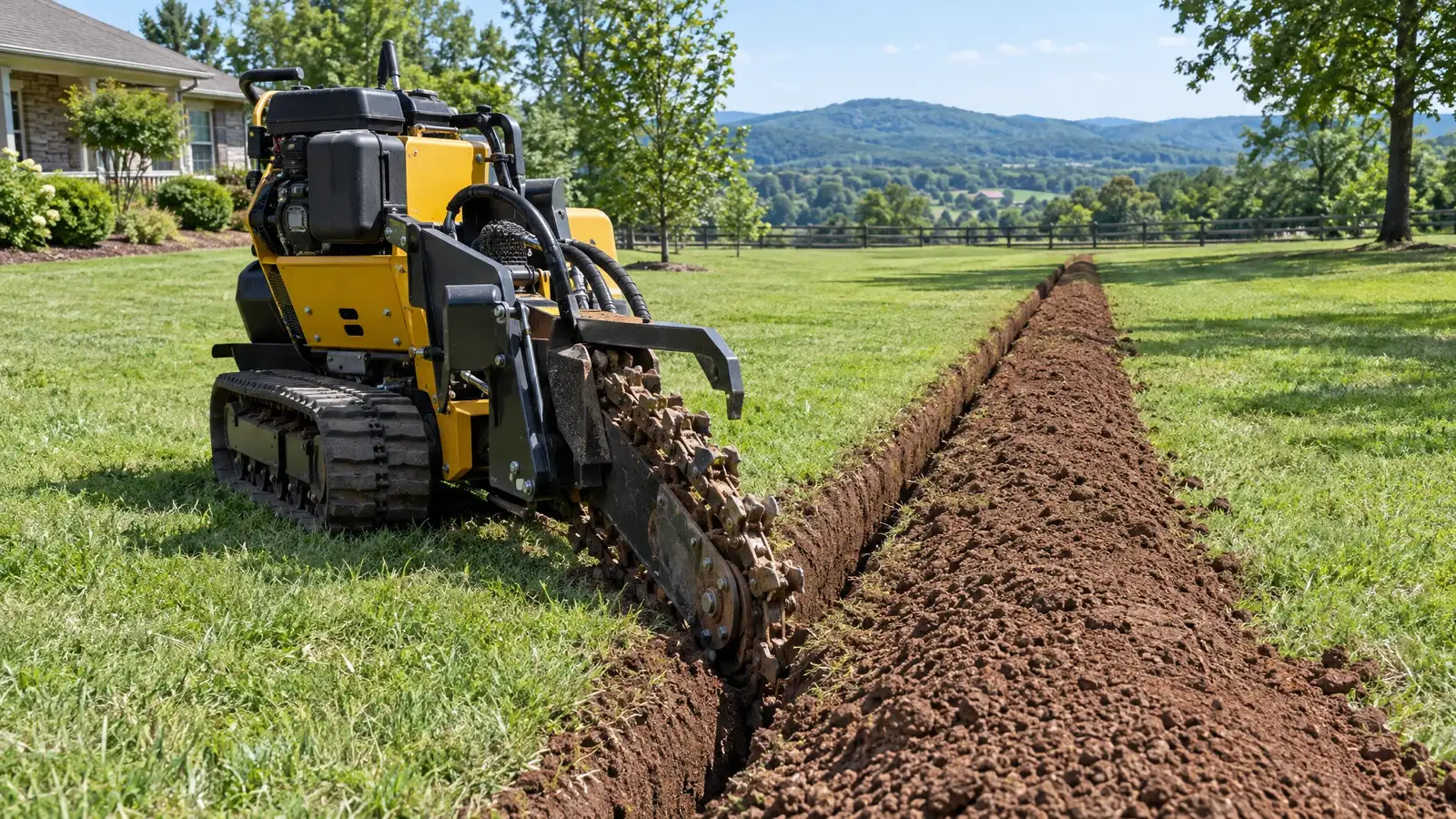
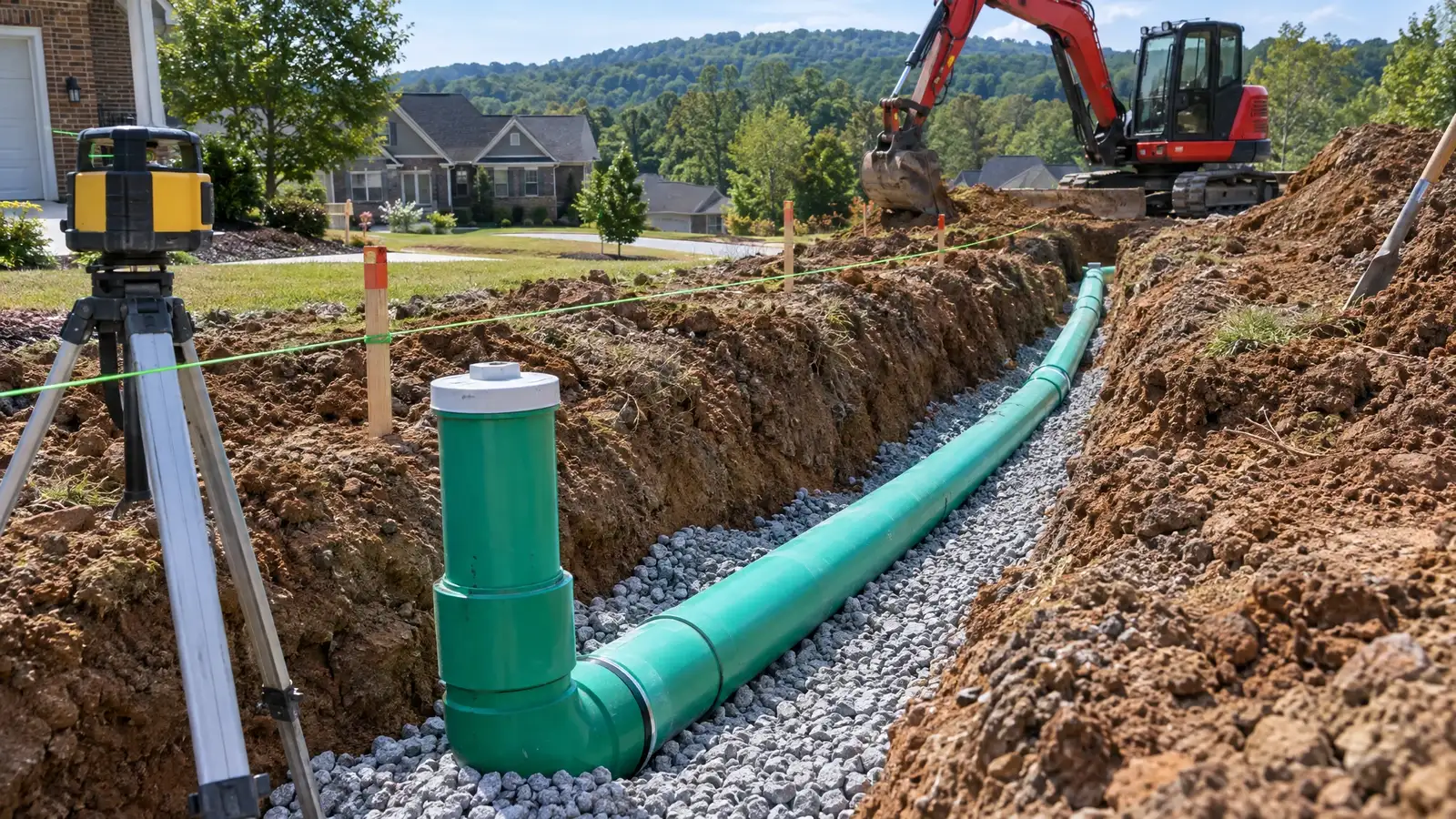
A typical job starts with a locate request so existing lines are marked, then a plan for the route, depth and connection points. The crew trenches or bores, lays and joins the pipe or conduit, backfills in compacted lifts and restores lawn or pavement.
Larger projects add structures such as manholes and inlets, shoring for deep trenches and coordination with inspectors, engineers and the utility.
What they do not do
Several steps belong to other parties. Utilities generally make the tap to their main and set meters. Licensed electricians handle wiring, and gas piping and connections belong to the gas utility or a qualified gas contractor. Pumps and controls belong to the designer and specialty trades.
A good contractor will tell you who does what at the start so there are no surprises.
When you need one
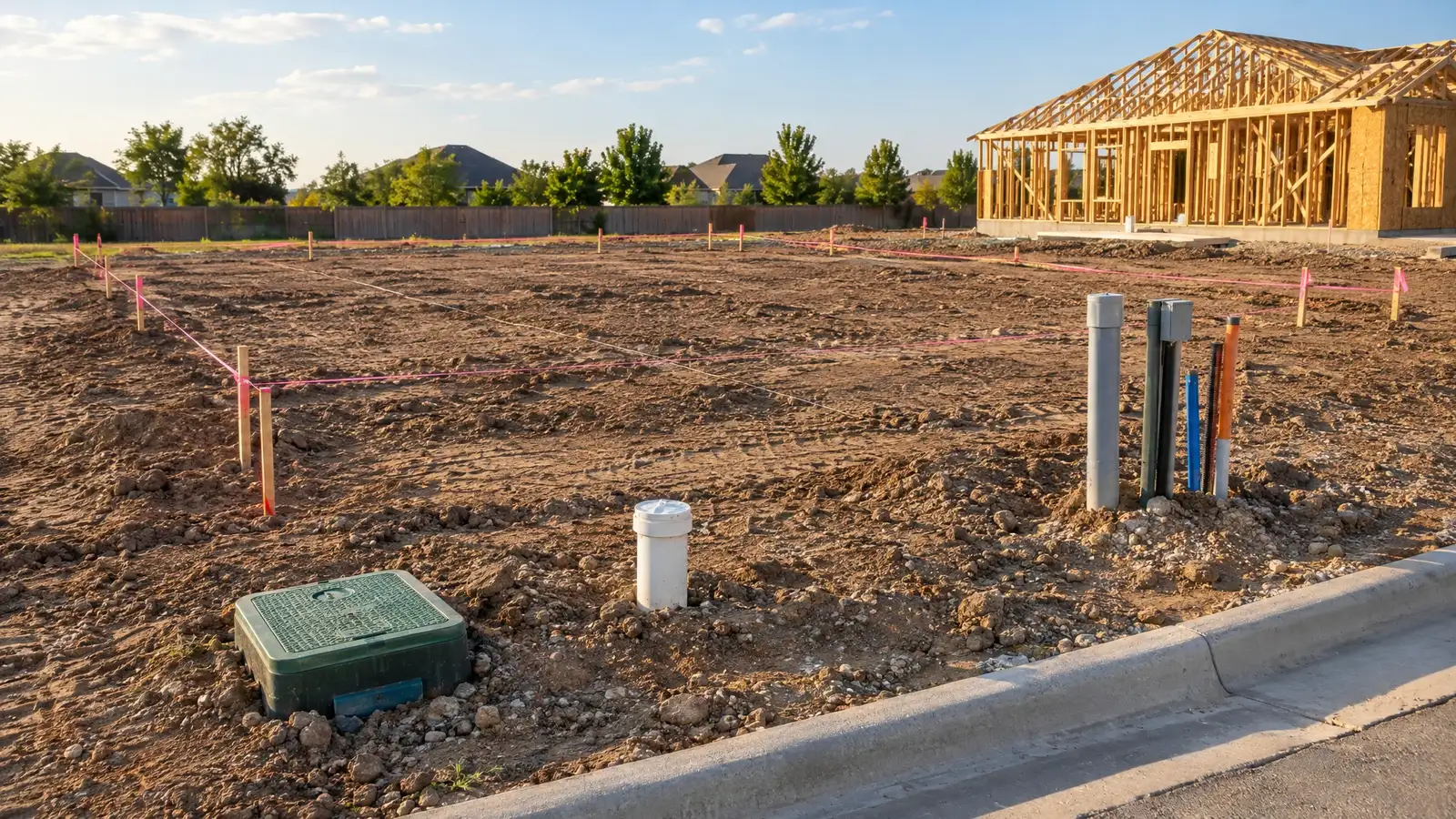
Common reasons include a new home or building, a lot that needs services, a failed sewer or water line, a drainage problem that needs pipe in the ground and any project that crosses a road, driveway or landscaping with a line.
If you are planning to dig at all, even for a fence, the first step is to call 811.
General information, not engineering, legal or safety advice. Rules and requirements vary by utility, city and county.