The short version
- Older homes may have clay, cast iron, galvanized steel or fiber pipes
- Records of old lines can be incomplete
- Mature trees increase root risk
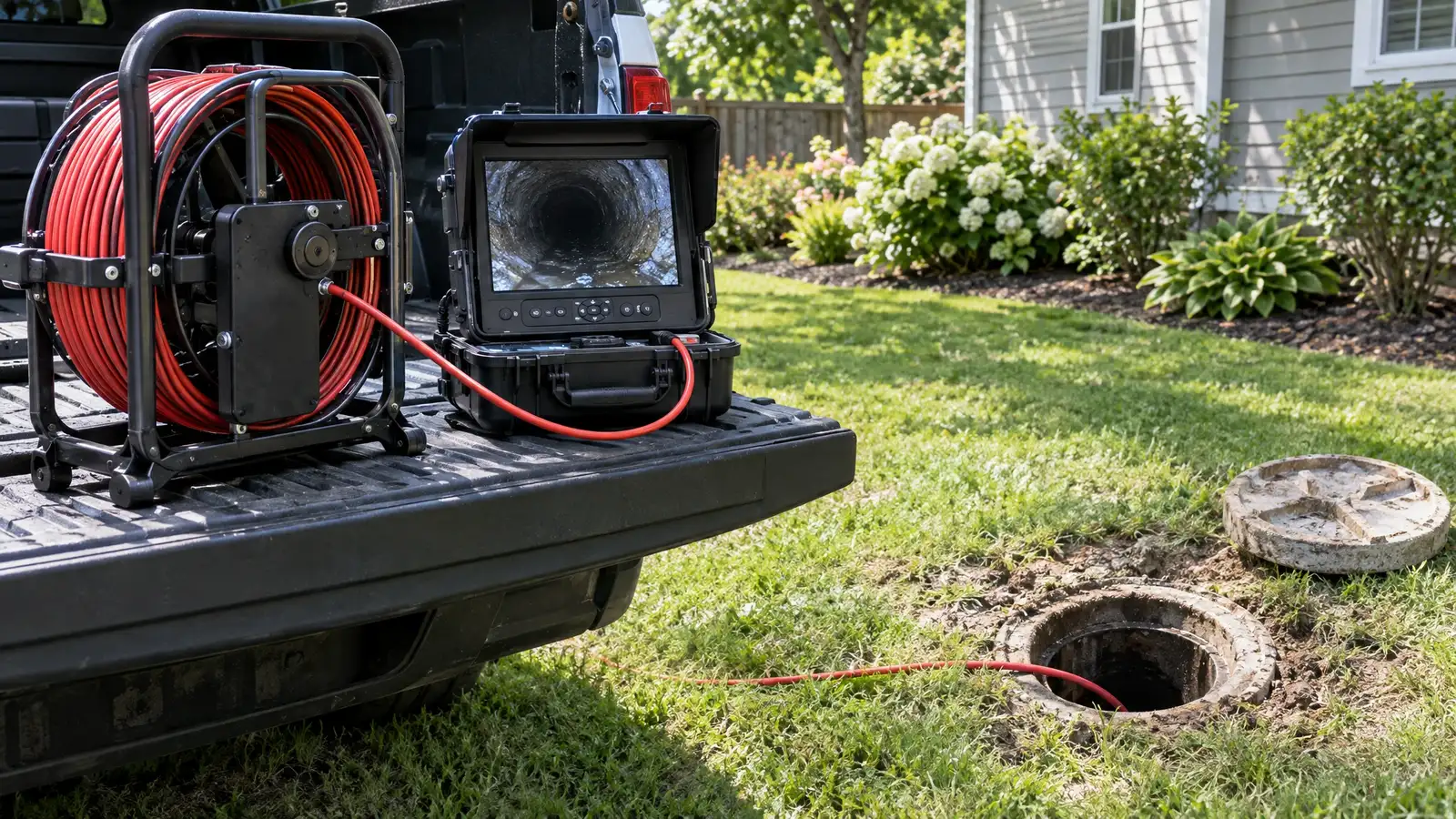
- A camera inspection is a smart step before major projects
What is likely down there
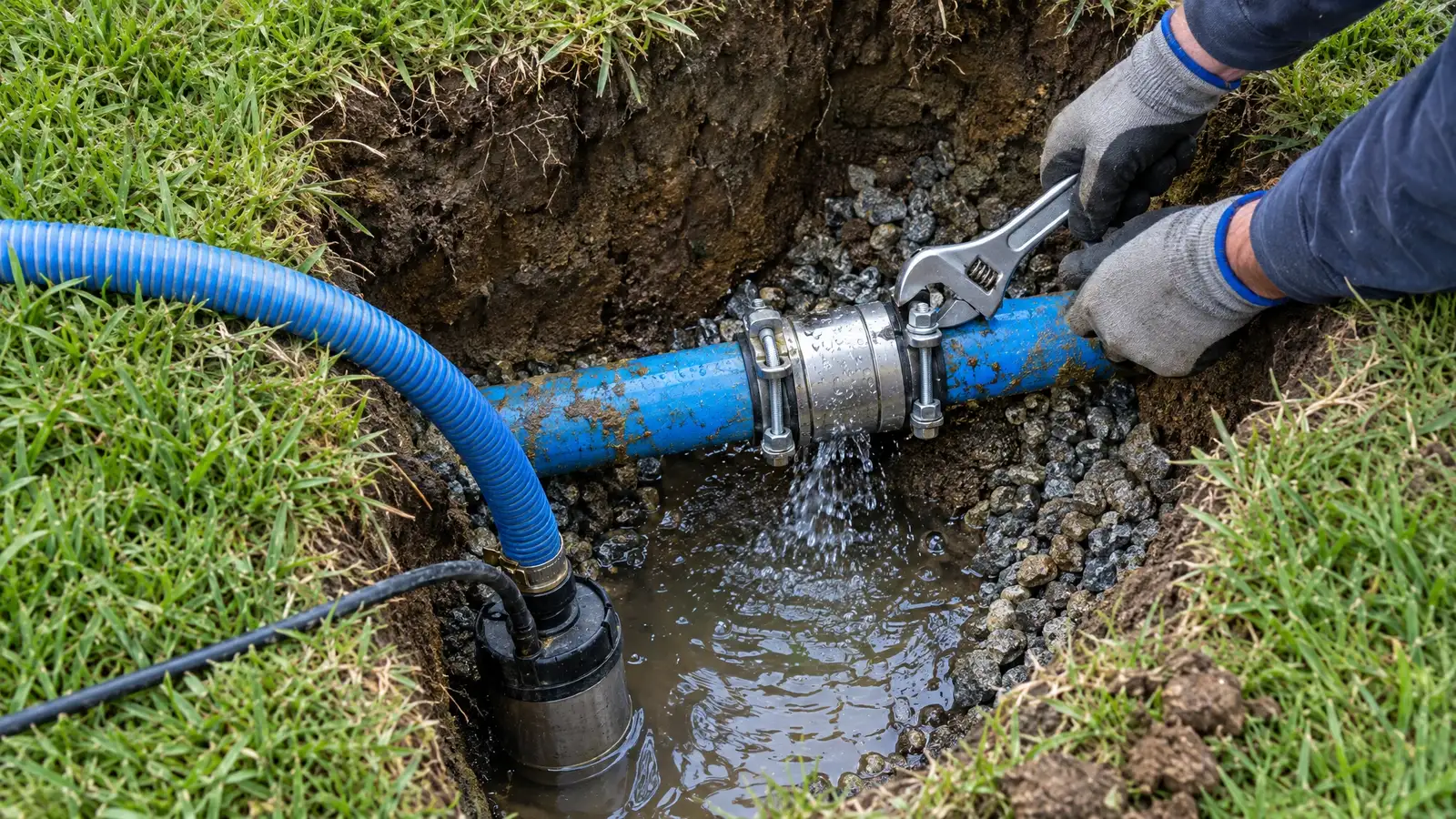
In neighborhoods built several decades ago, sewer laterals may be clay, cast iron or fiber, and water lines may be galvanized steel or older copper. The materials were good for their time, but they age, and joints open up.
Newer additions and renovations may be tied into old lines of a different material.
Incomplete records
Old drawings, if they exist, may not show later changes. Lines may be shallow, crooked or abandoned and left in place. Private lines, like a water line to an old garage, may not be documented at all.
Locating and potholing are especially valuable on older lots.
Trees, tight lots and finishes
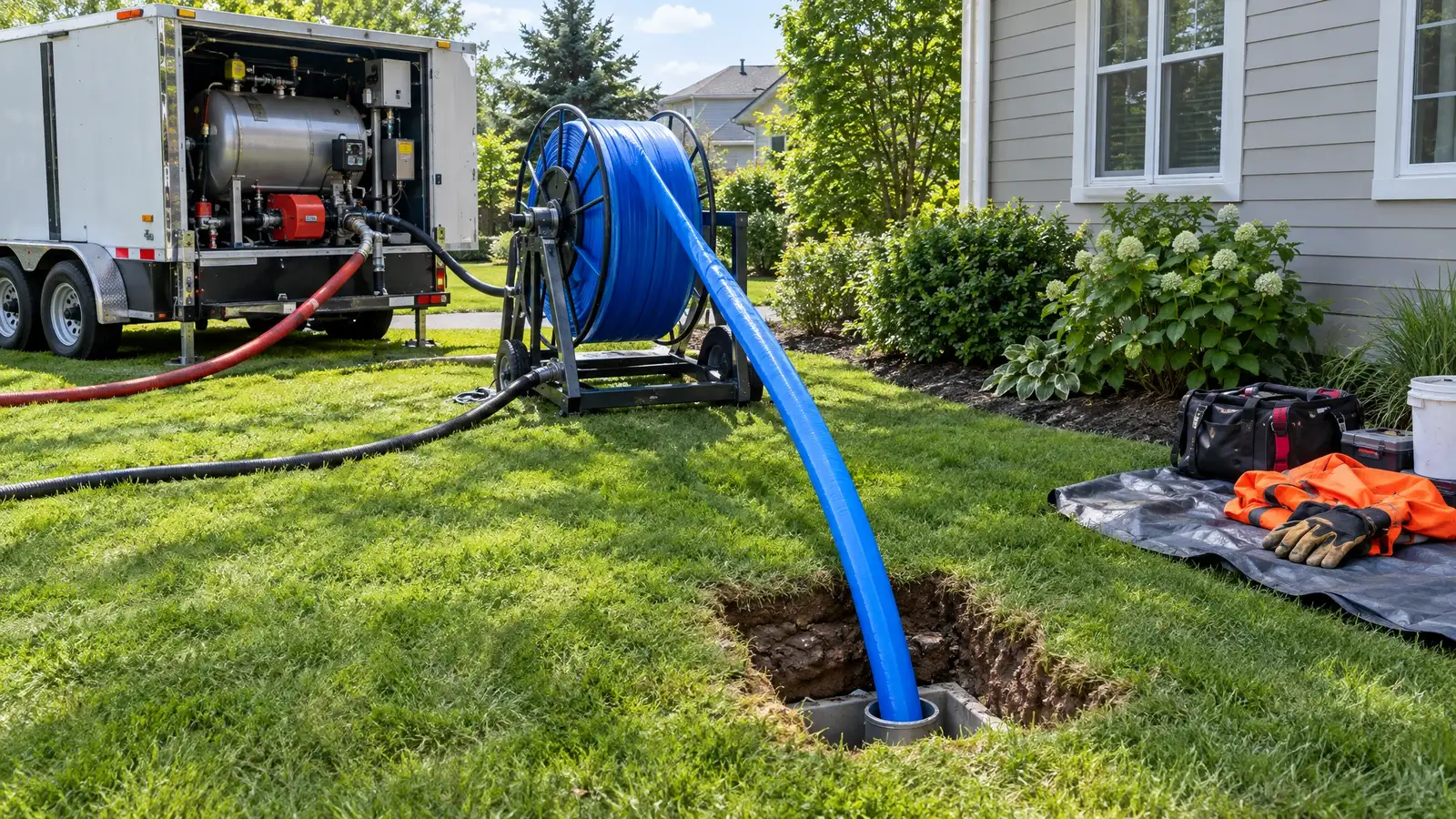
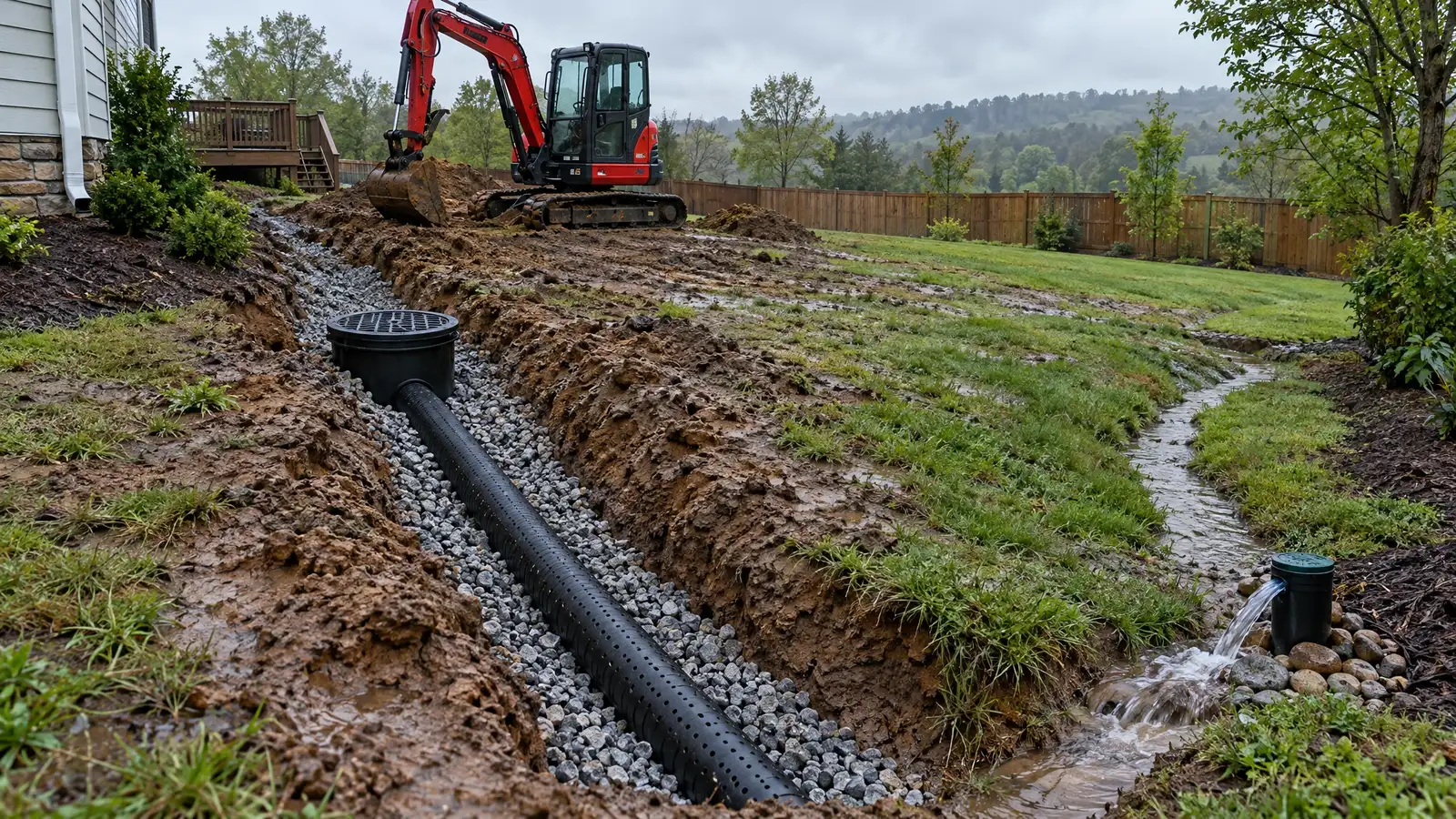
Older neighborhoods have mature trees and finished landscaping, patios and drives that make digging costly. Narrow side yards limit machines. That is where boring, trenchless pipe repair and compact equipment shine.
Planning the route to protect trees is part of the job.
Before you renovate
If you are buying, adding on or renovating an older home, have the sewer lateral inspected by camera and think about the water line. Knowing what is down there lets you plan for it and avoid surprises in the middle of a project.
Replacing a line while the yard is already torn up can save money.
General information, not engineering, legal or safety advice. Rules and requirements vary by utility, city and county.