The short version
- An easement lets a utility run and maintain lines across private property
- Ownership usually changes at the meter, tap or cleanout
- Private lines are the owner’s to maintain
- Building over an easement can cause trouble
What an easement is
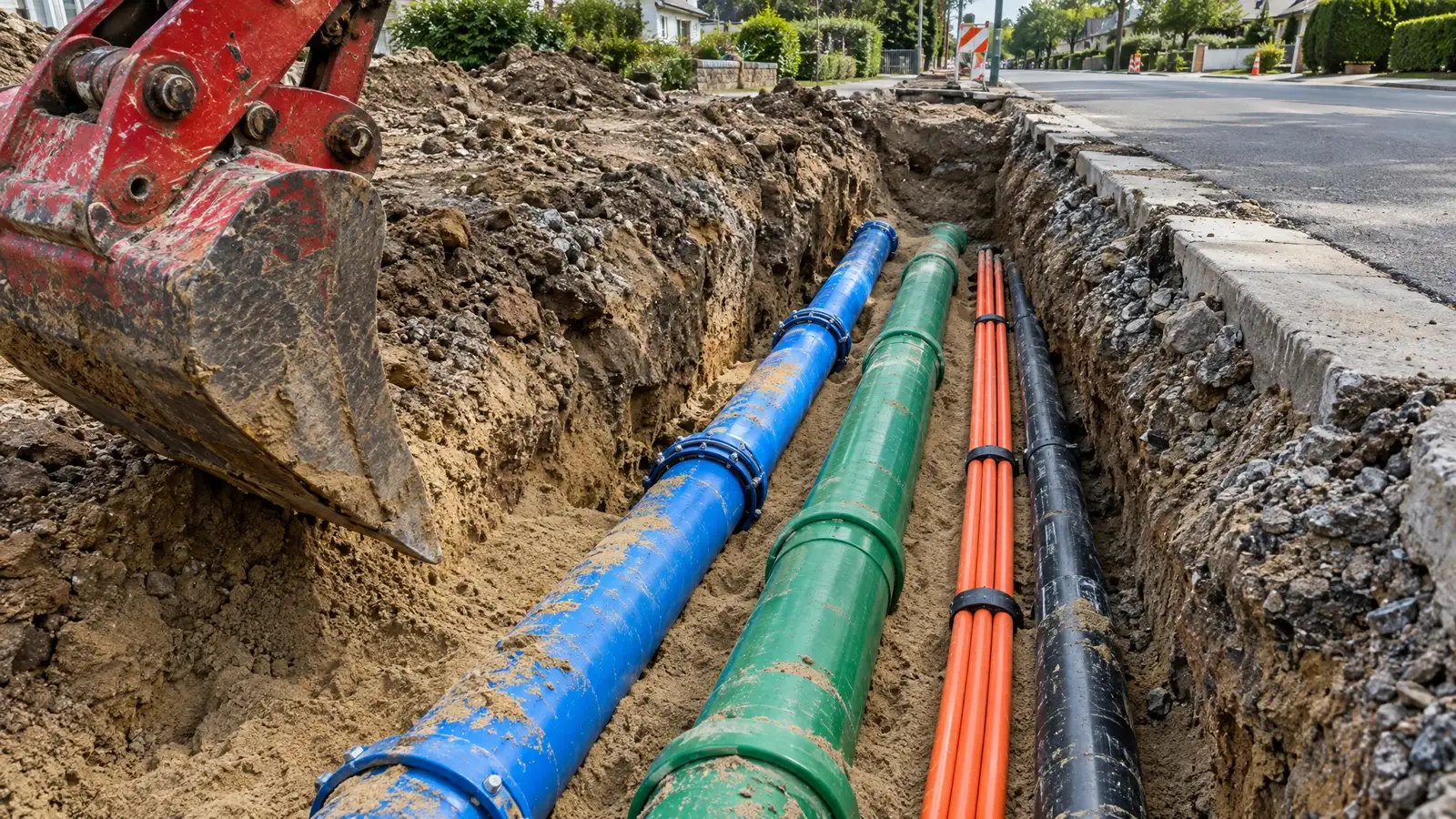
An easement is a legal right for a utility, city or neighbor to use part of a property for a specific purpose, such as a sewer main or overhead power. The owner still owns the land, but cannot block or damage the line. Easements are recorded and often shown on a survey or plat.
They affect where you can build, plant or dig.
Where ownership changes
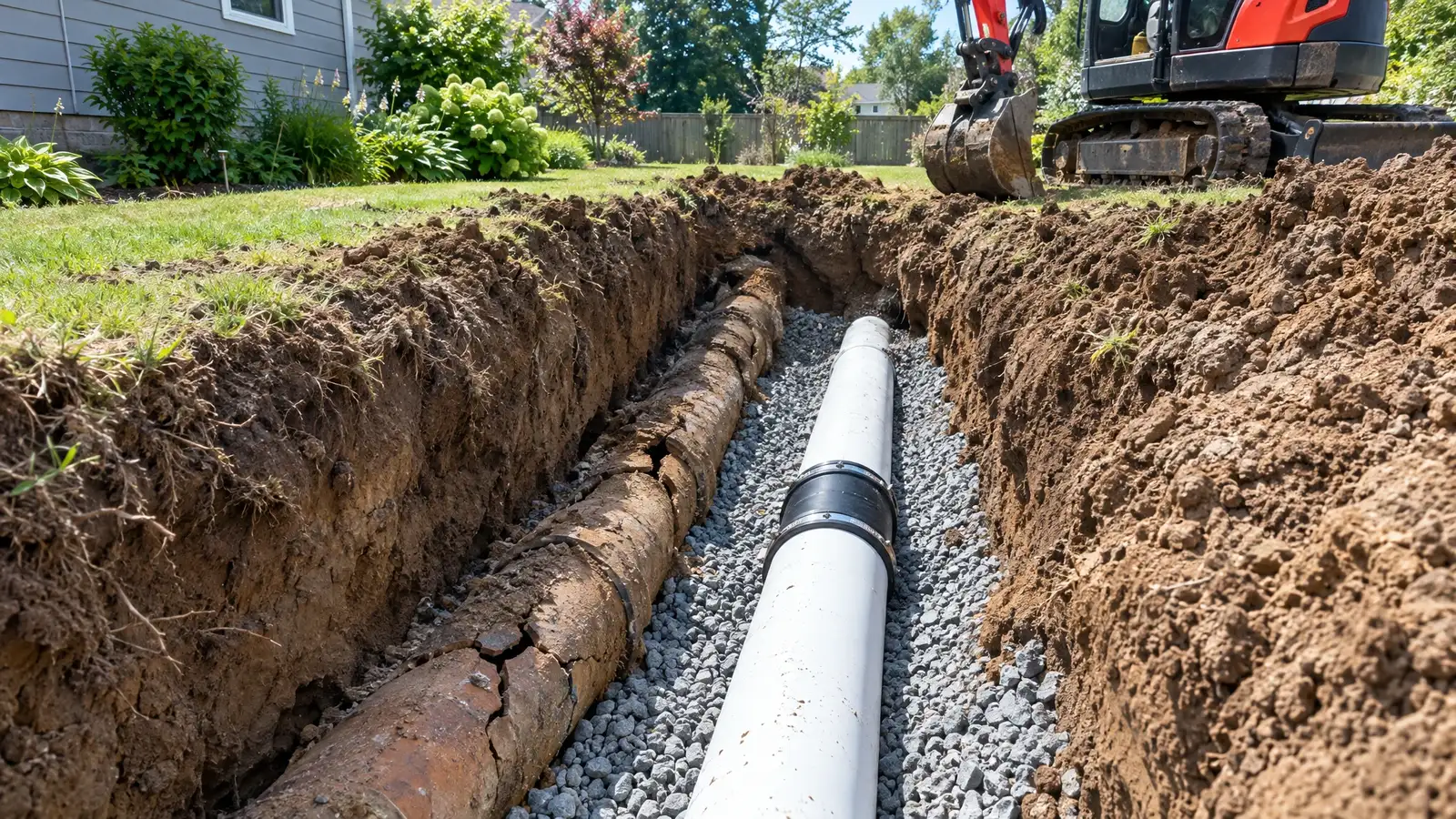
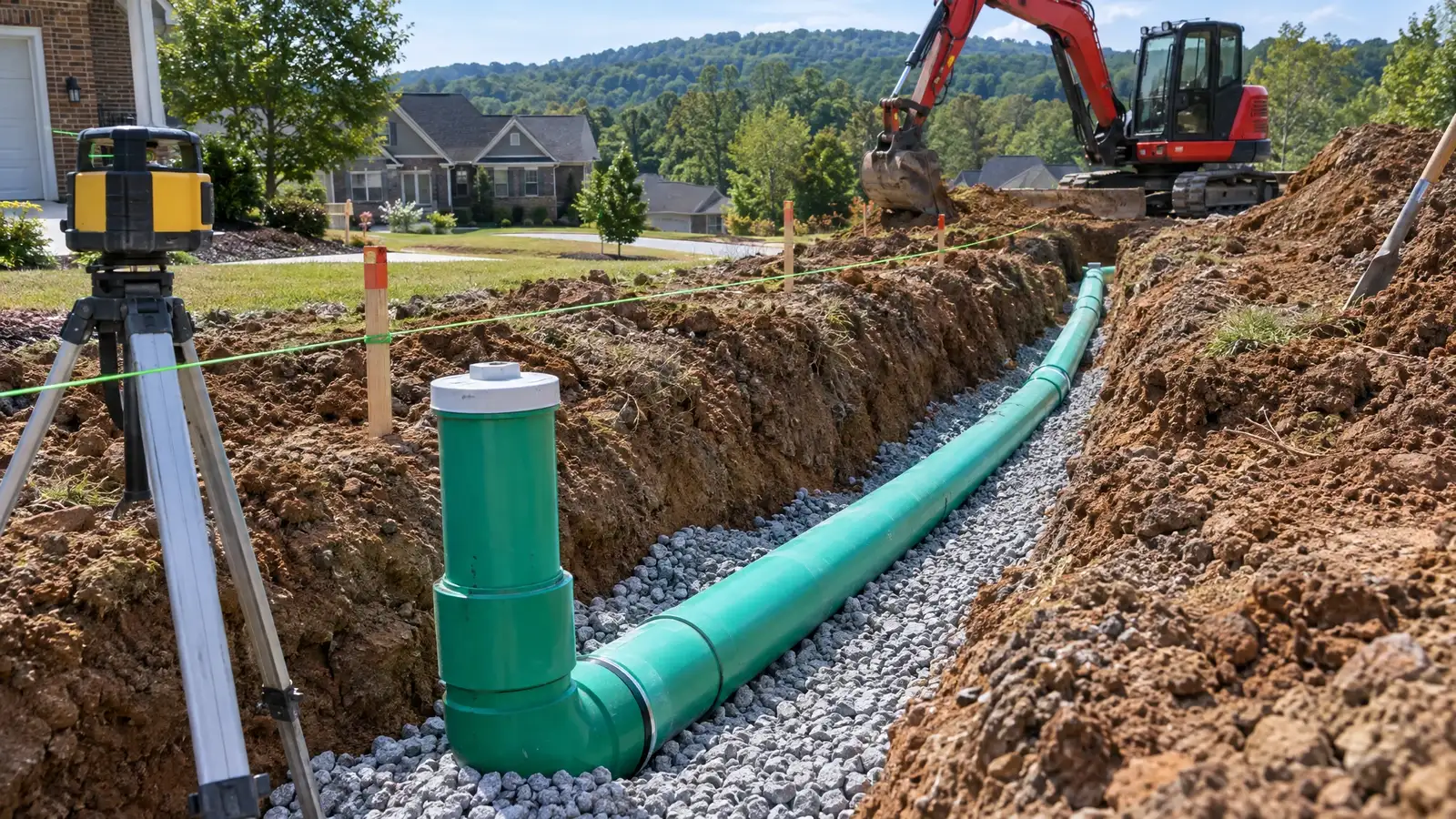
With water, the utility generally owns the line up to the meter and the owner owns the line beyond it. With sewer, the owner often owns the lateral up to the public main or the point where it connects. Electric and gas follow similar patterns with the meter as a boundary.
Policies differ, so verify with your utility.
Private lines
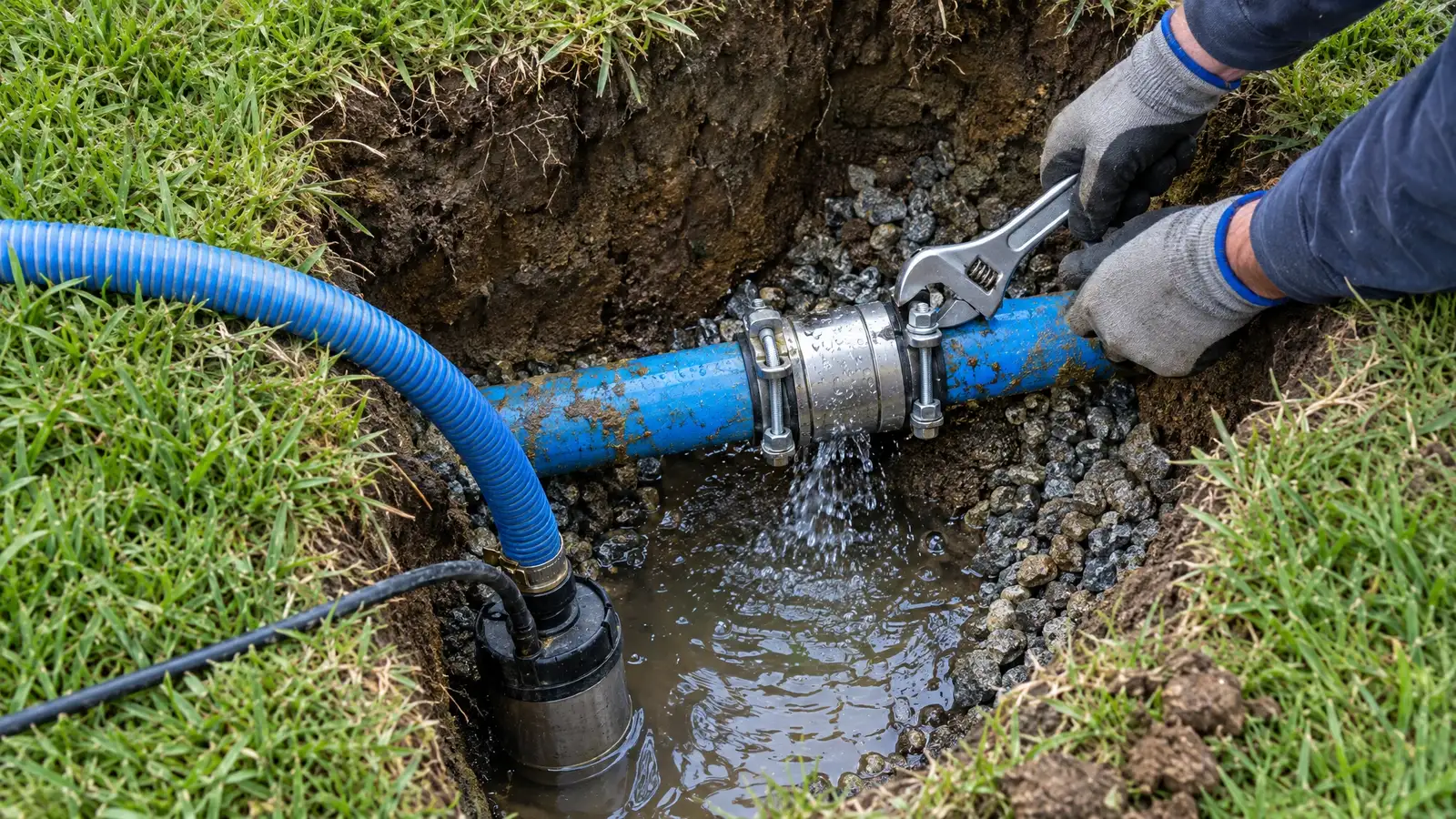
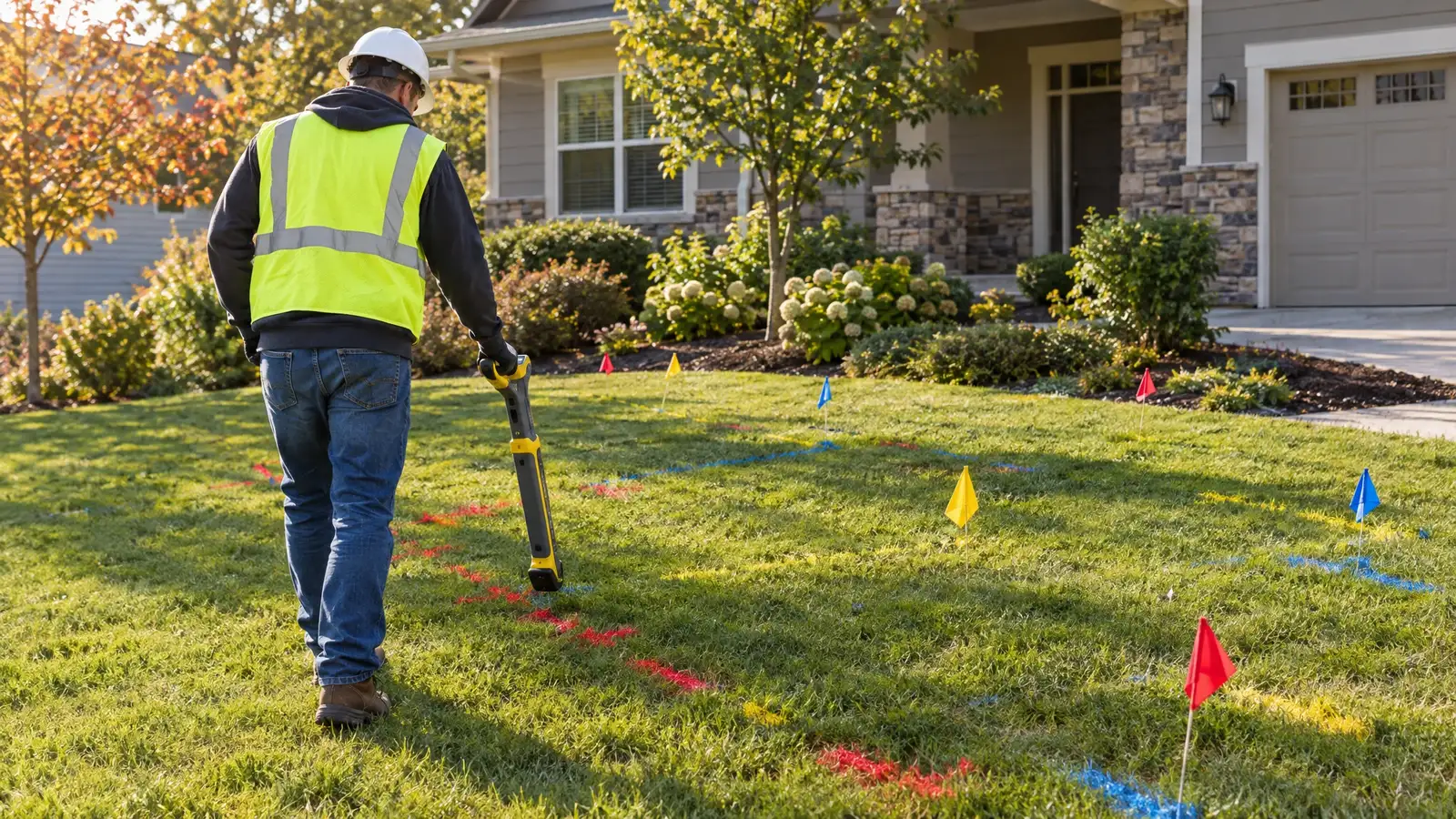
Lines beyond the meter, such as a water line to a barn, a buried power feed or an irrigation system, are private. The utility does not mark or maintain them, and records may not exist.
Locating private lines is part of planning any dig.
Building near easements
Structures, trees and heavy surfaces over an easement can be removed or damaged by the utility if they need access. Before building a fence, shed or addition, check your survey and ask the utility.
A short call can prevent a very costly rebuild.
General information, not engineering, legal or safety advice. Rules and requirements vary by utility, city and county.