The short version
- Rock, cobbles and loose gravel can stop a bore
- Gravity pipe needs exact grade, which trenching handles better
- Collapsed pipe cannot be lined
- Very short runs may not justify a rig
Ground that does not cooperate
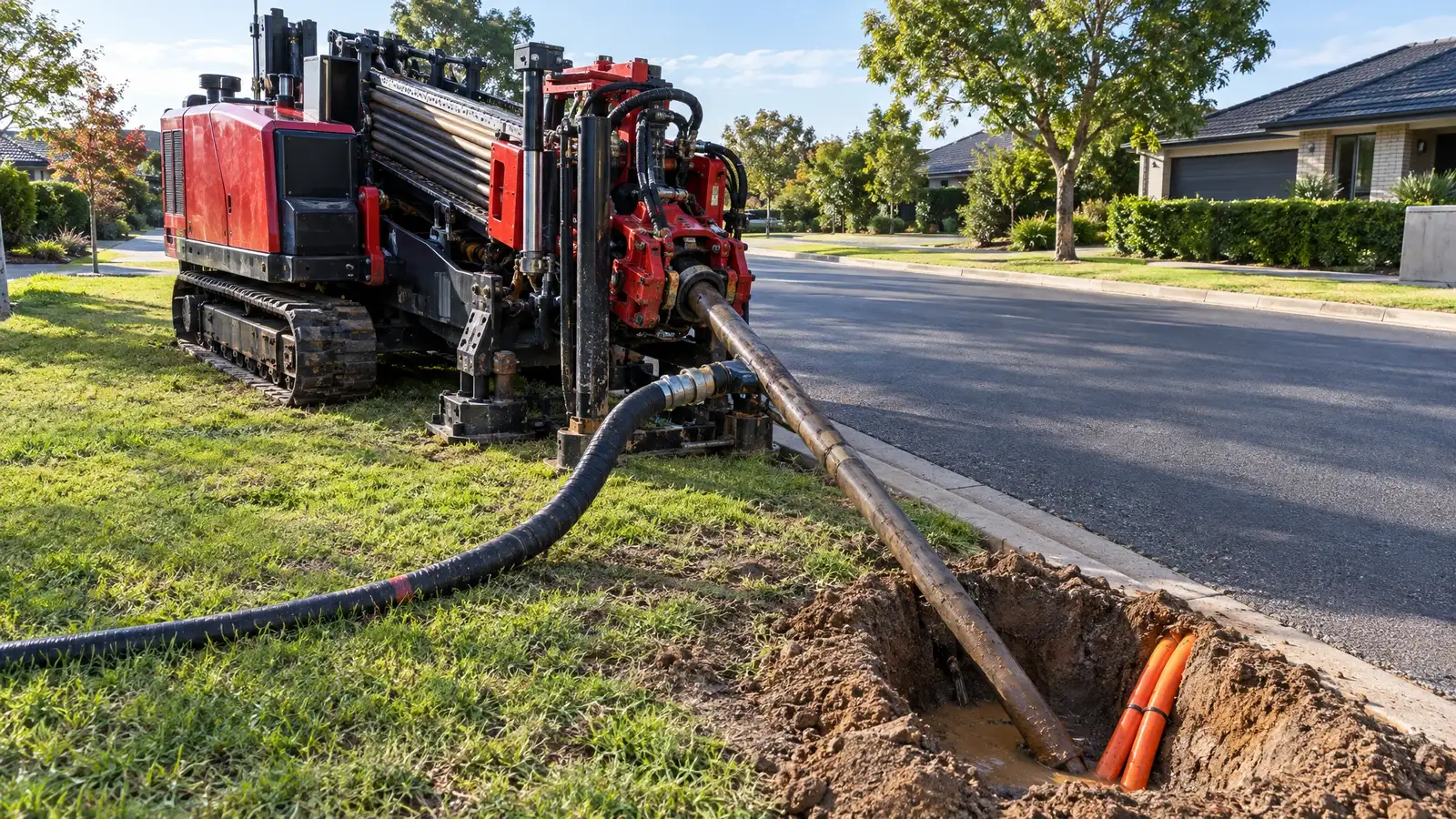
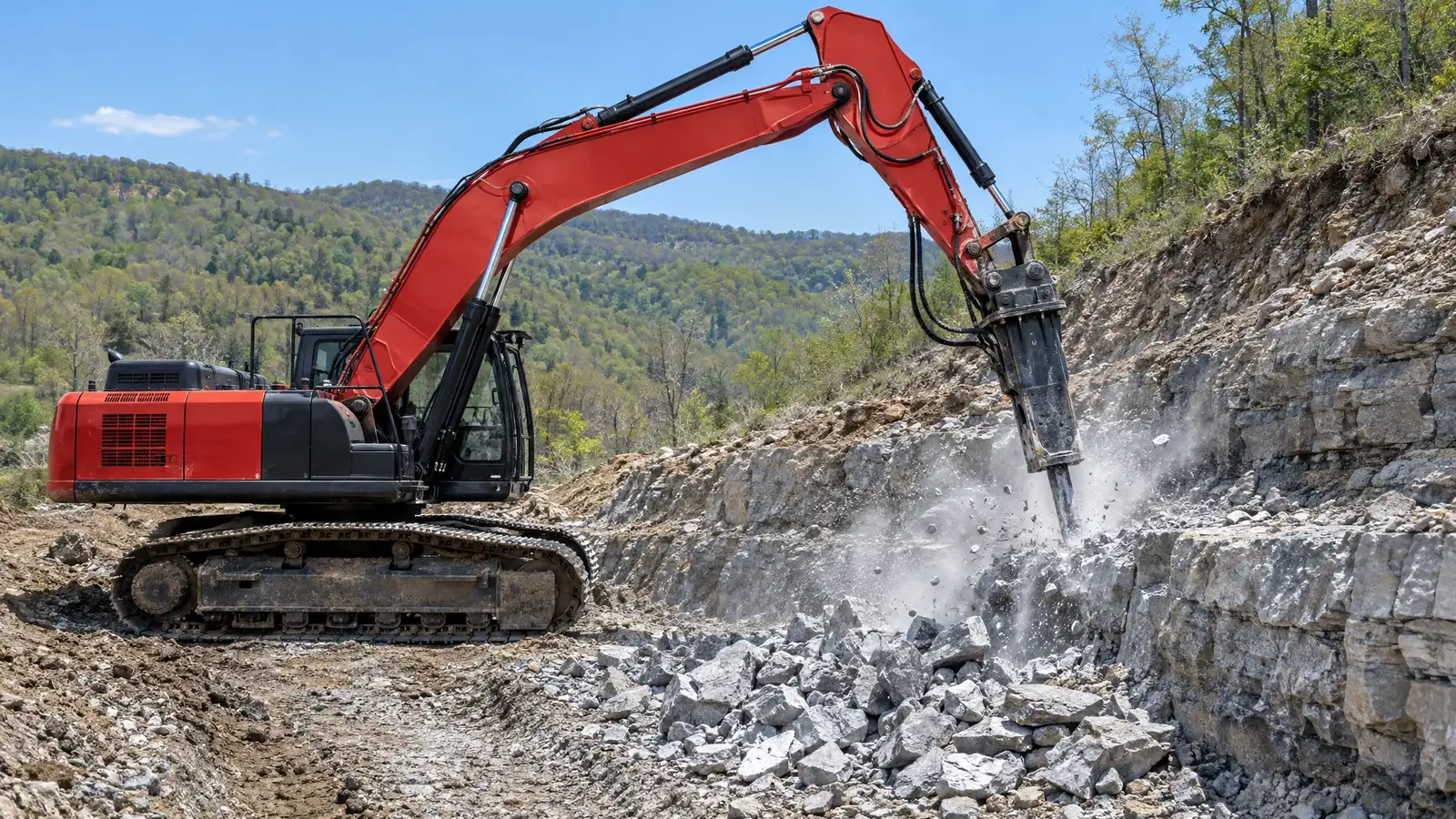
Directional drilling needs ground it can steer through. Solid rock, large cobbles and loose, running gravels can stall a bit or collapse a hole. Where the soil log or test holes show these conditions, trenching, hammering or a different route may be the better answer.
Ask the contractor what they know about the ground.
Jobs that need precise grade
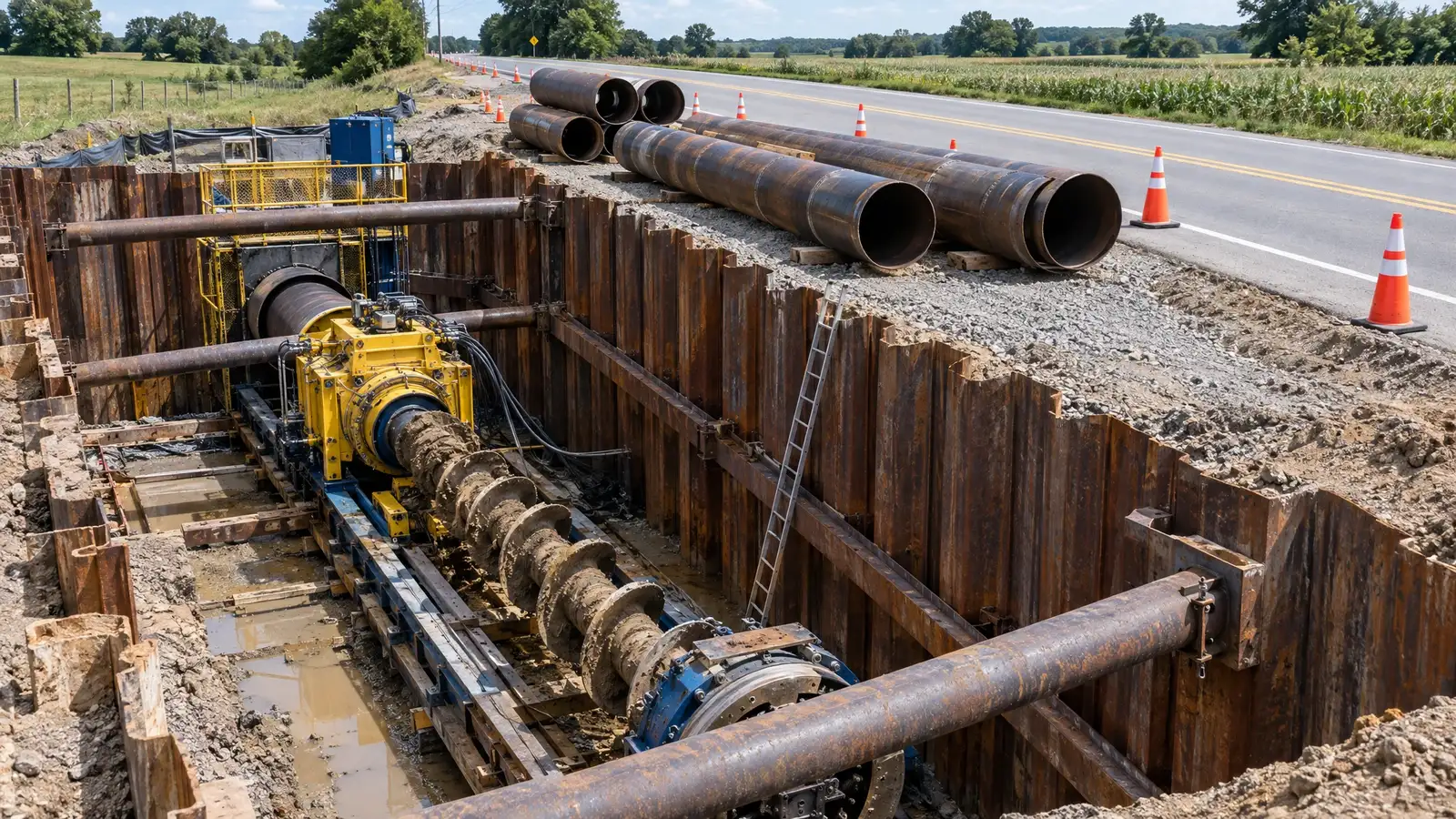
Gravity sewer and storm lines must slope accurately. Bores are better for flexible pressure pipe and conduit than for pipe where a half-inch of error causes a belly. Jack and bore, with tight control, or open trench are more suitable for those lines.
The designer can specify the method.
Repairs that need a dig
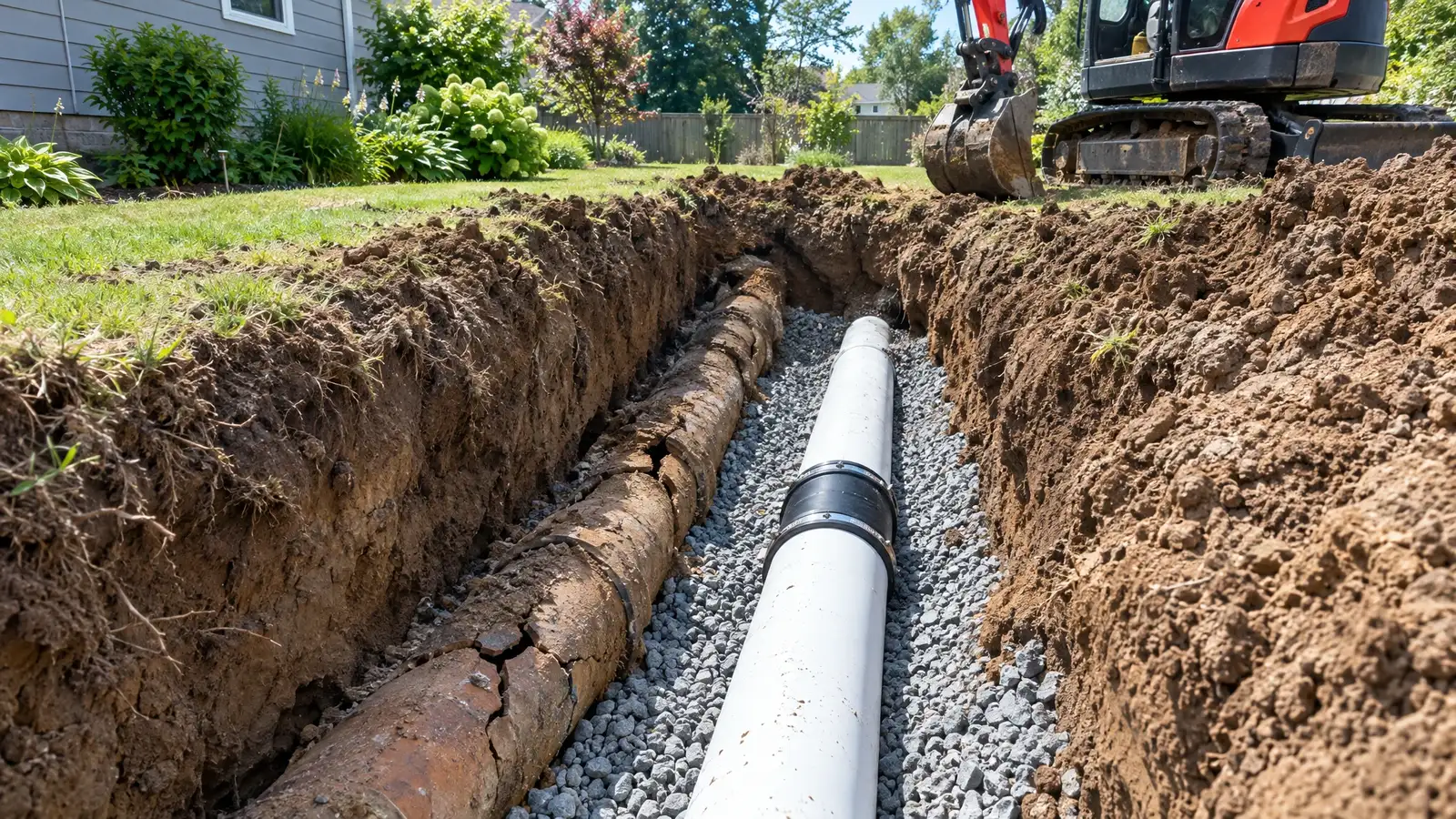
A pipe that has collapsed, a fitting that has failed or a belly that needs lifting cannot be fixed by lining. The pipe has to be replaced by bursting or a short, targeted dig.
A camera inspection tells you which.
Short runs and tight sites
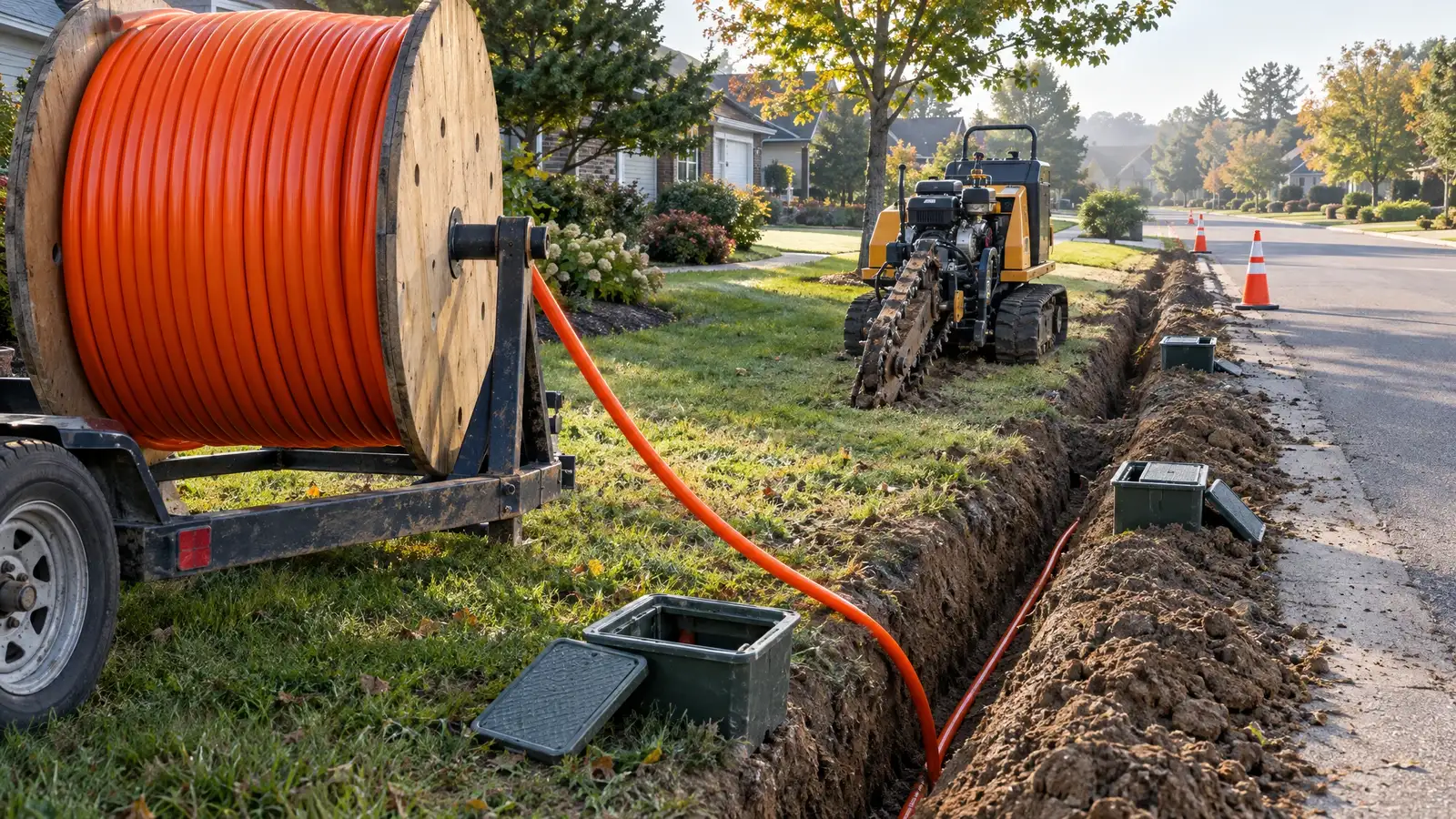
For a very short run in open ground, a trench may be simpler and cheaper than mobilizing a rig. On tight sites with no room for pits or equipment, hand digging or a small excavator may be the only option.
The right method is the one that fits the site, not the one that sounds modern.
General information, not engineering, legal or safety advice. Rules and requirements vary by utility, city and county.